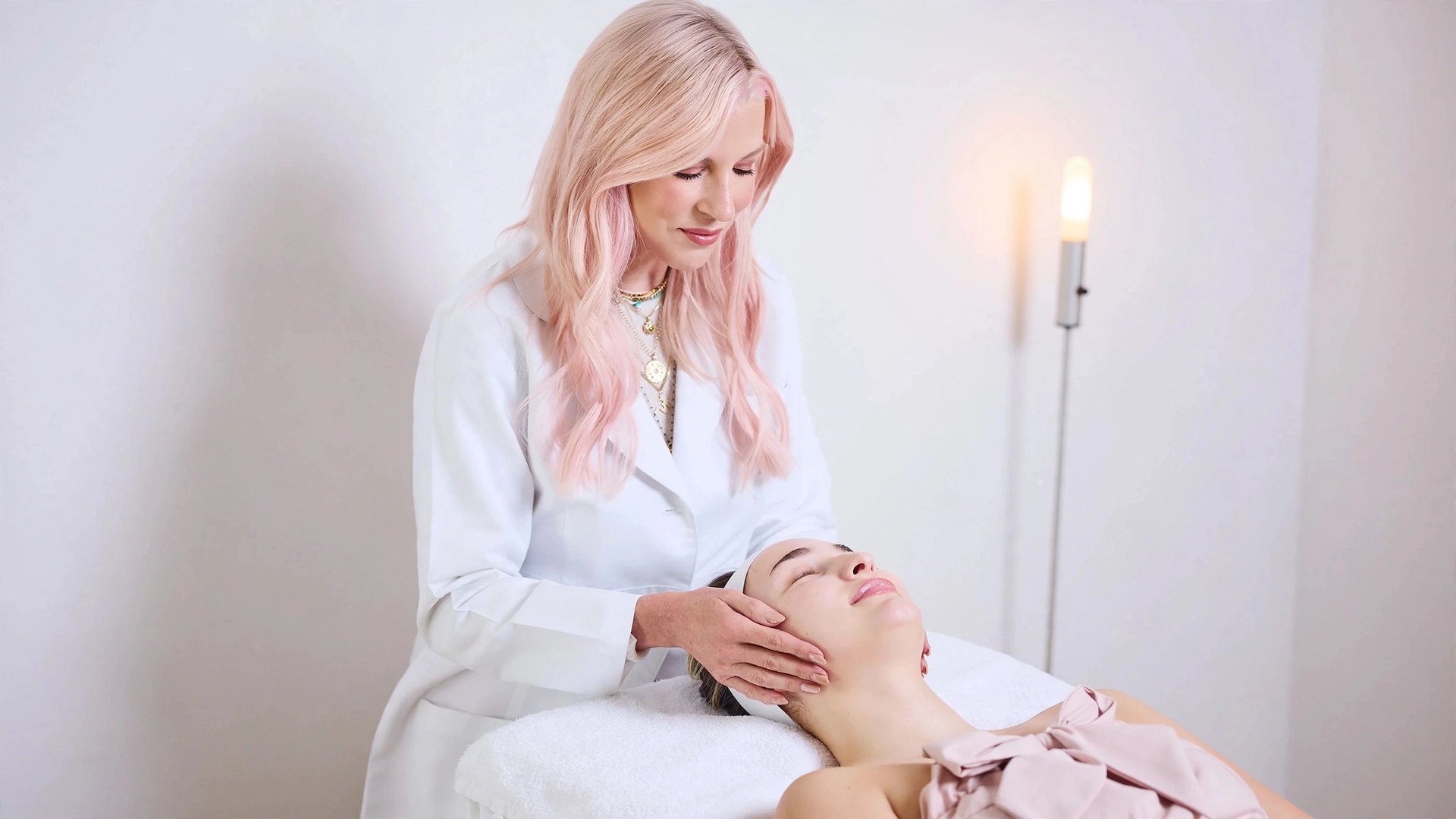
A small amount warmed between palms, then pressed where skin pulls. That is how Lindy Snider describes using her Soothing Balm, and the gesture holds her whole approach to formulation, listening and care.
A small amount warmed between palms, then pressed where skin feels tight. Snider offers that instruction plainly, and the plainness carries her method. She noticed, she asked questions, then she remained to build the answer.
Snider launched Lindi Skin in Ardmore, Pennsylvania in 2003, after she left part time special projects work at the Wachovia Center in 2002. She is herself a cancer survivor, and she developed the range beside oncologists, dermatologists, nurses, patients and formulators. The earliest products appeared on the website in May 2004. By 2008 the range had reached 14 products, present in more than 50 hospitals and stocked in almost 100 shops, largely inside hospitals and cancer centers.
What the clinical history can hide is how tactile the thinking is. The formulas rest on plant oils, lavender and citrus, antioxidants and vitamins, selected for tolerance rather than narrative. Each ingredient is checked for safety on chemo and radiation skin and for soothing character. The aim is to feel refined and gracious, never medicinal, even when the skin in question is parched, fragile and quick to redden.
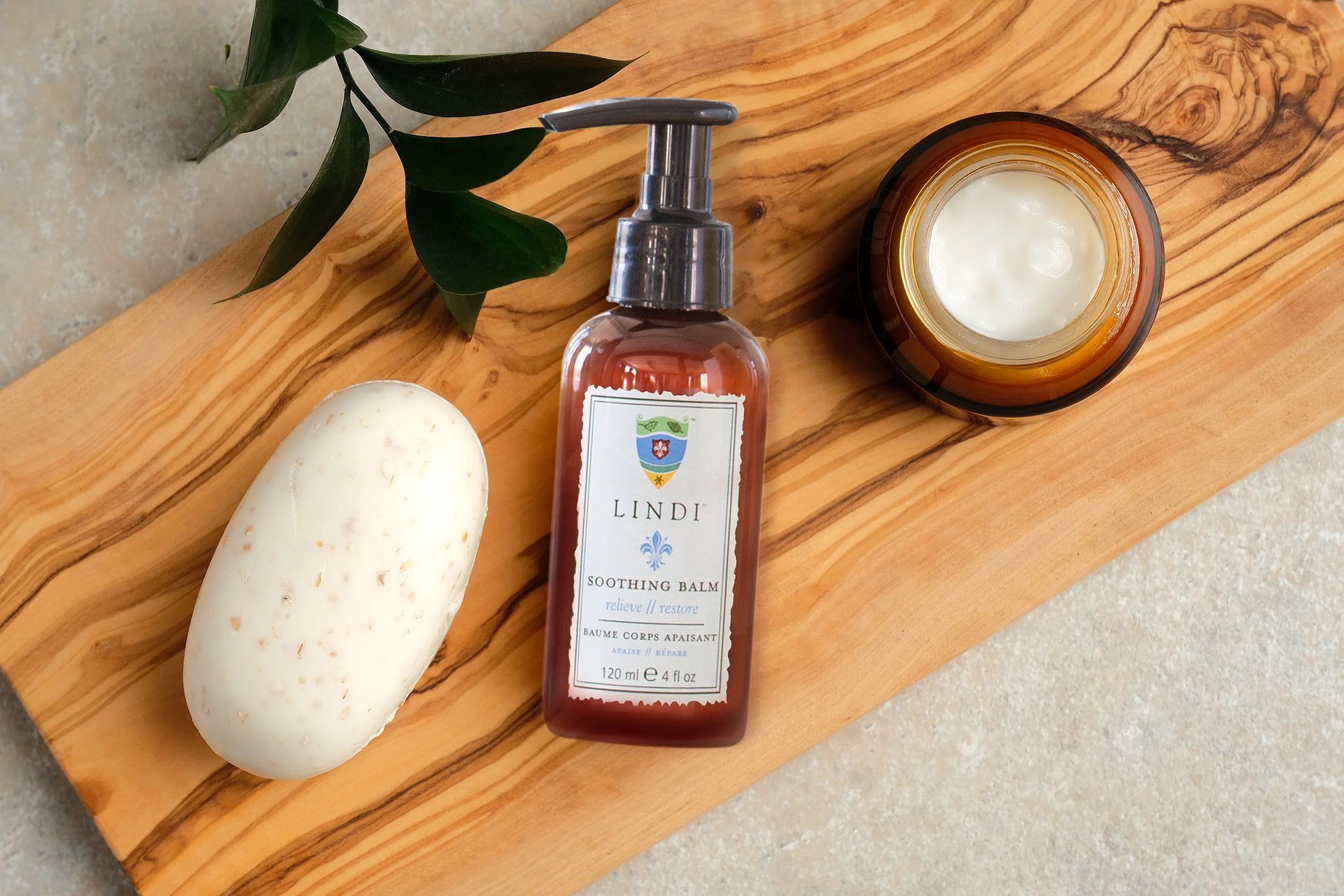
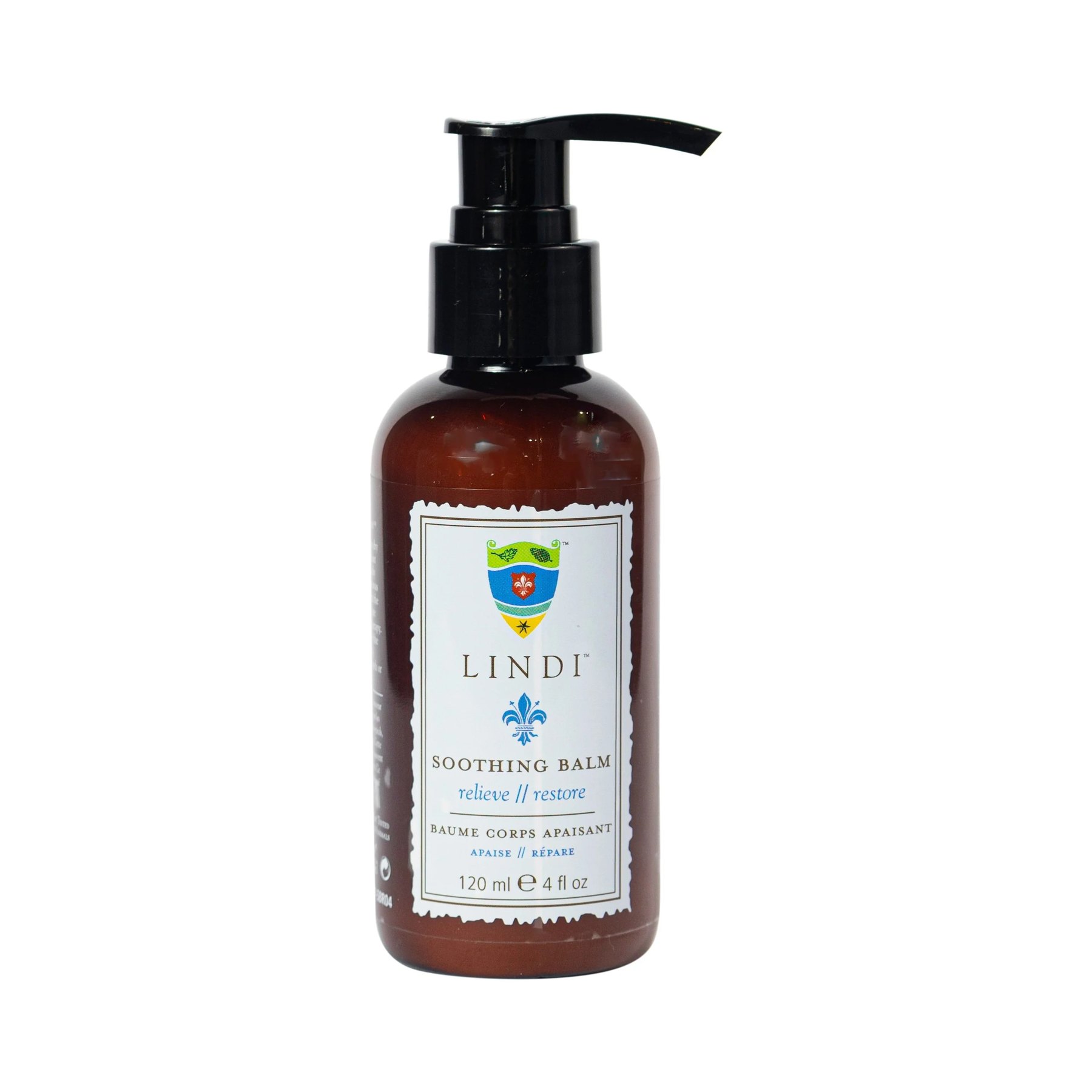
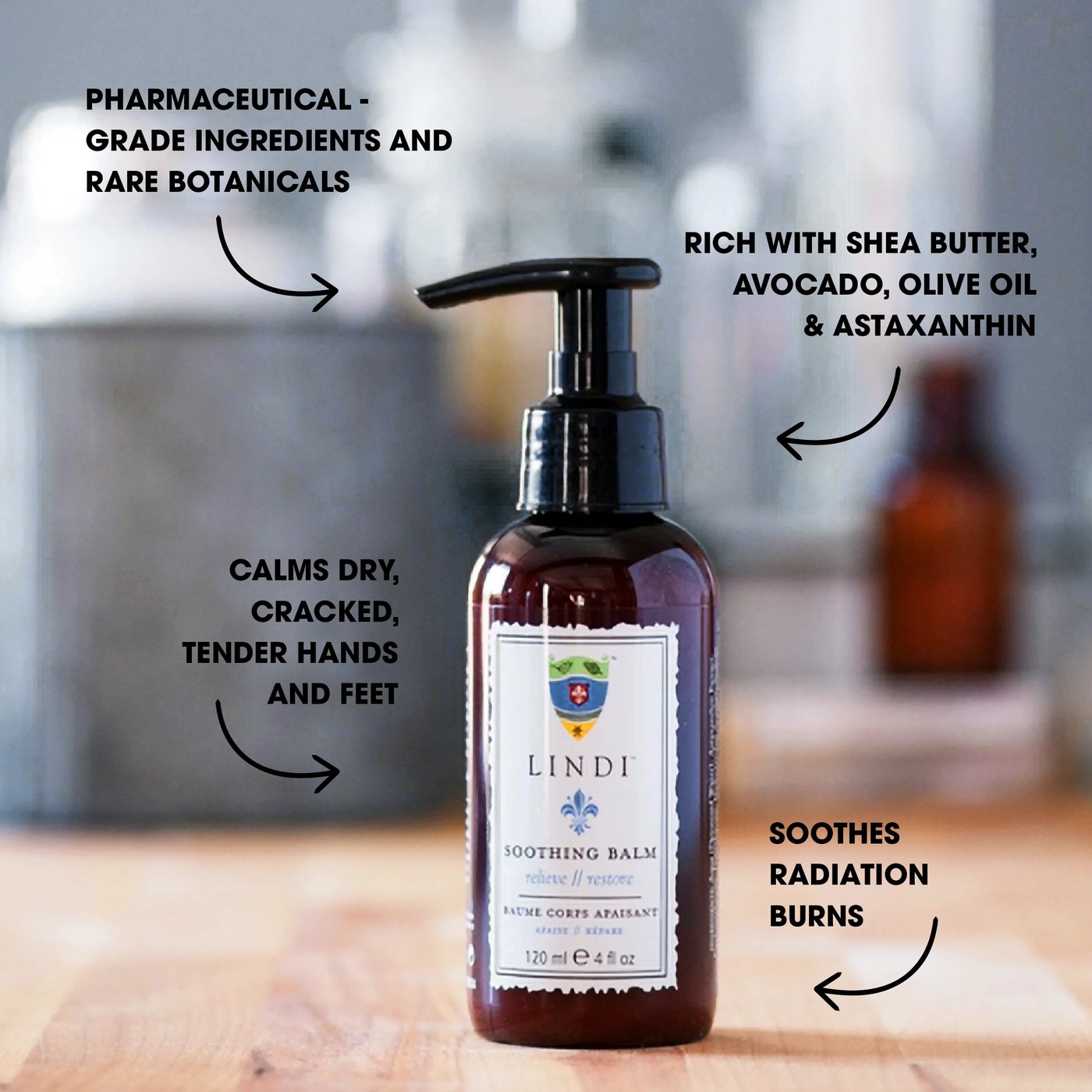
Your signature Soothing Balm at 35.95 dollars was developed with oncologists and dermatologists and described as clinically proven to soothe skin irritated by radiation, how should someone use it on hands and feet and on radiated skin, and what about its finish keeps it wearable when other creams seem heavy or perfumed.
The balm is often the first touchpoint. I suggest it for hands and feet when chemo leaves them split and tender, and for skin irritated by radiation when it turns dry and taut. I like to warm a pea sized portion between hands, then press it into places that crack or catch. It sits in nearly every kit because it meets the complaint we hear most, which is dryness that refuses to ease.
Our range, refined and gracious, is meant to help you look and feel wonderful. That intention was conscious. People said the sensitive skin options they had tried felt oily, scented or unhelpful. We wanted a cushion that protects, yet with a finish suitable for daily use. Clinically proven, in our language, means trialled with the patients and clinicians it serves, and held to what they requested, which was ease, comfort and a scent that stays quiet.
You started by watching friends in treatment who braced for nausea, fatigue and hair loss but never saw the skin changes coming, and in 2000 you asked singer songwriter Lauren Hart why she did not request a cream from her doctor and she answered there was nothing, what did that moment put in motion for you.
That talk never left me. Lindi Skin began for me while I watched friends move through cancer treatment up close. They braced for the nausea, fatigue and hair loss linked to chemotherapy and radiation therapy, yet they had no warning about what those therapies would do to their skin. When Lauren answered that there was nothing to request, I felt baffled. I wondered, how can the big pharmaceutical and cosmetics firms lack a line aimed at this need.
In learning that no skincare range existed specifically developed for people with cancer, it struck me that someone had to build one. And that someone turned out to be me. I began hunting for information and talking with doctors and dermatologists. Lauren gathered patients to assess texture, fragrance and packaging, and to say plainly what soothed. Their guidance formed everything, from how a balm glides across split hands to how a wash rinses without burn.
In 2002 you left your part time role at the Wachovia Center and launched Lindi Skin in Ardmore with scientific advisers including oncologists and dermatologists, plus your fiance Larry R. Kaiser, a University of Pennsylvania surgeon and oncologist, how did you shape a living room worry into a first full line made specifically for treatment skin.
I understood I could not proceed solo, so in formulating Lindi Skin products, we joined with dermatologists, oncologists, nurses, patients and skincare formulators to create products that can treat even the most sensitive of skin. Every participant had a role. The physicians addressed safety through chemotherapy and radiation. The nurses addressed everyday care at the bedside. The patients addressed touch, aroma and dignity. The formulators helped us render all of that into lasting formulas.
Our formulas are singular, mild, and calming. We choose fine ingredients for deep and lasting hydration. We would rather invest in distinctive formulas than in vessels or promotion. That priority held us steady. We had no interest in relabelling standard formulas. We aimed to craft the first complete skincare line designed specifically for people whose skin had grown thin, dry and easily upset.
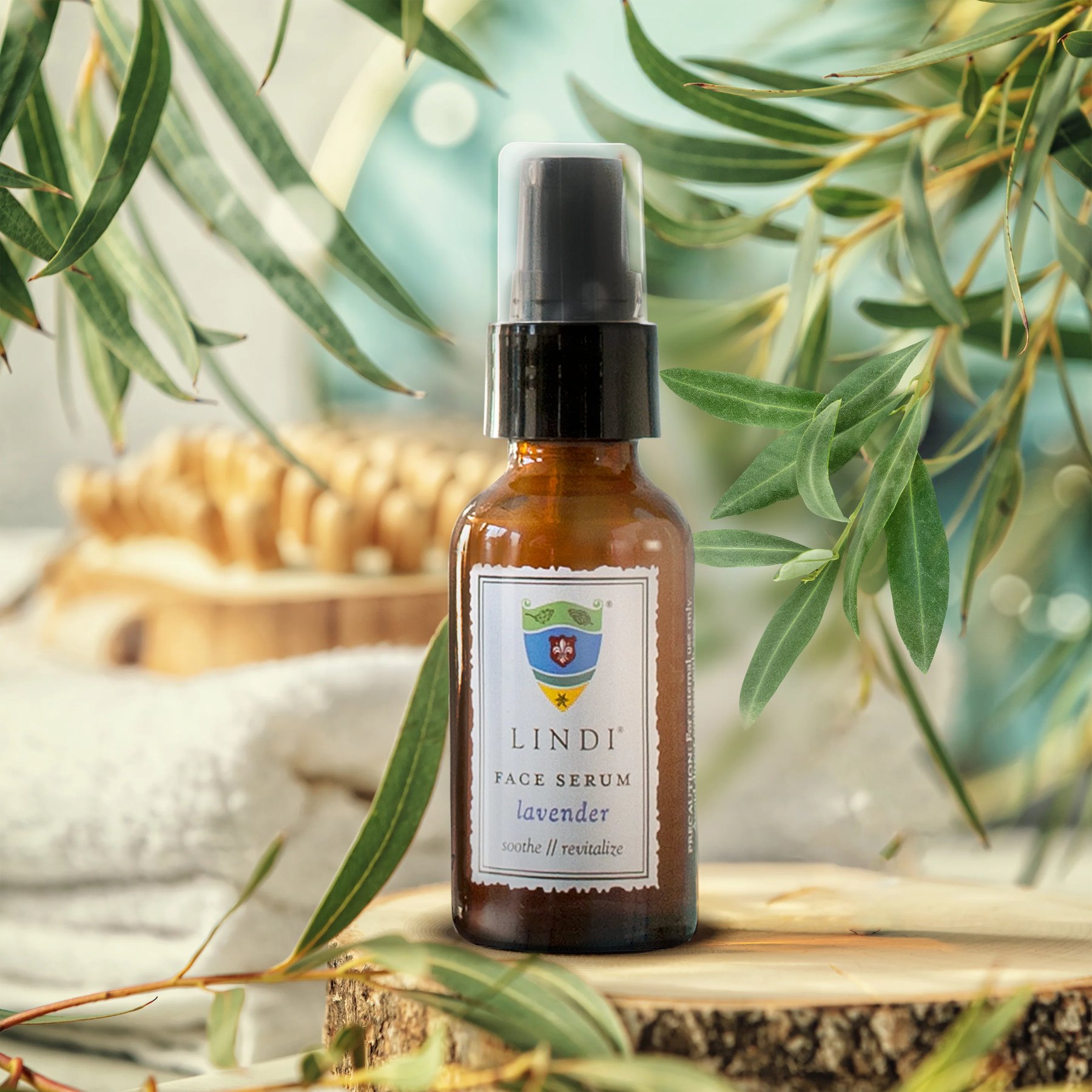
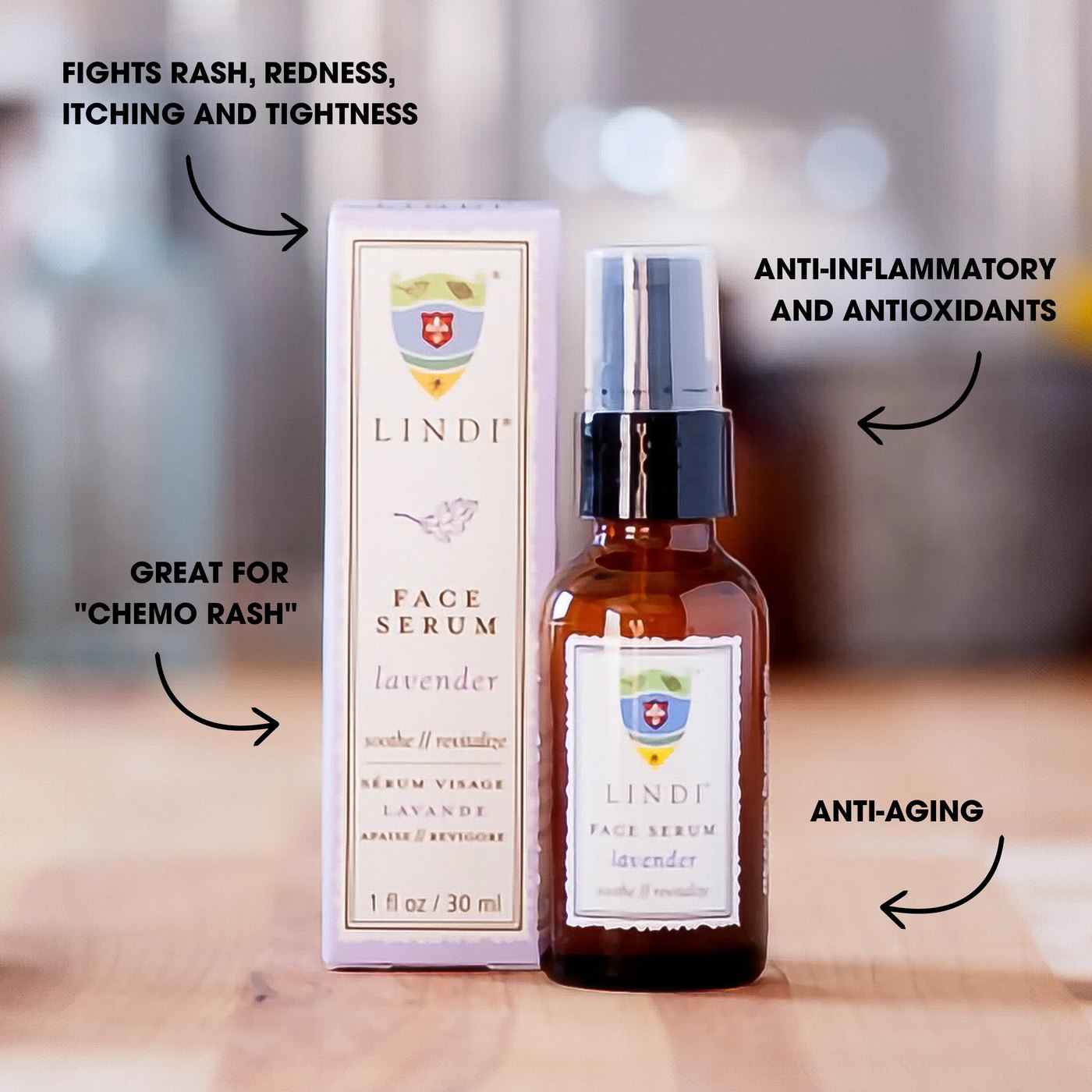
Your Lavender Face Serum at 48.95 dollars mixes botanicals, antioxidants and vitamins to add moisture and soften the look of redness, with one drop layered again through the day as needed, why lavender for a face left reactive by treatment, and how do the citrus and lavender versions feel different in use.
Treatment can render facial skin papery, tight and prone to flush, at the stage where a long trusted serum begins to tingle. We created this serum for that stage. Apply it to the face morning and evening, with one drop repeated during the day if needed. The botanicals, antioxidants and vitamins exist to provide moisture and soften the look of redness, while the base remains sheer enough to sit beneath moisturizer.
Lavender was picked for rest. Patients shared that the aroma made the ritual feel settled, and the fluid helped thirsty skin feel supple again. Citrus gives equal support with a livelier aroma for those who want it. Both rest on one premise, which is to calm, soothe, and hydrate without heaviness. We love sharing the restoring feel of our formulas with all, including sensitive skin friends who stay with us after healing.
You say you check every ingredient for safety on chemo and radiation skin and for soothing feel, using botanicals, antioxidants and preservatives to curb bacterial growth, what does that check feel like in practice when the skin is already fragile.
We begin from another inquiry. We ask, is this safe for chemo and radiation skin, rather than, will this suit normal skin. That alters the palette we draw from. We reject aggressive cleansers that rob skin of moisture. We reject slick residue or overpowering perfume. We seek botanicals, antioxidants and vitamins that settle, comfort, and hydrate without taxing delicate skin.
Preservation counts in this setting too. When skin is fissured or tender after radiation, defence against bacterial growth belongs in care. So we select systems that hold the product stable in the jar and mild on skin. Beauty plus health is our frame. The plant matters for its conduct in the formula, how it cushions, how it retains moisture, how it rests on sore skin, not for sounding natural on a label.
The Cooler Roll at 49.95 dollars is a cooling hydrogel wrap made with oncologists and dermatologists to calm skin stressed by radiation, and you match it with the balm in the basic set, how do those two steps layer together in the ritual of a radiation day.
Picture it as cool first, then lock in softness. Place the Cooler Roll over the treated zone when it feels hot and sore from radiation. It delivers a clean, cool sensation that helps skin feel composed. Then layer the Soothing Balm to prevent the spot from flaking and cracking between appointments. The sequence counts. Cool the warmth, then sustain the barrier that radiation has left parched.
Patients taught us the cadence. They explained when the burn crests, how a wrap should lie, how a balm should slip without drag. Our formulas are singular, mild, and calming, yet the ritual matters equally. Unhurried hands, clean fingertips, no friction. It is skincare as tending, done morning and evening until skin resembles itself again.
Selling in hospitals and cancer centers leaves the products where nurses can press them into a hand at the right moment.
Lindy Snider
Your Body Wash at 26.95 dollars and Face Wash are both soap free and non foaming, meant for the shower in place of ordinary soap once soap begins to sting, what did you learn about cleansing that changed how you make formulas for dryness and itch.
We found that the wash itself can aggravate. Standard soap and foaming washes remove the oils that dry, tender skin cannot replace. When chemo parches skin all over, and radiation parches one patch intensely, the cleanser must cease depleting and begin sustaining. So our wash stays soap free and non foaming. Use it in the shower in place of ordinary soap, with lukewarm water and a light touch.
We decline formulas built for normal skin and repackaged for treatment skin. That refusal begins under water. No aggressive cleansers that rob skin of moisture. No lather for display. Only a base that leaves skin feeling clear yet not drawn, primed for lotion, balm or serum. People with widespread itch sense the shift first, then they find their moisturizer begins to perform better.
You held the line tight while growing to more than 1 million dollars in annual revenue by 2008, with 14 products used in more than 50 hospitals, what did you leave out in order to stay safe, gentle and true to treatment skin.
We chose not to chase every passing trend. We stayed with mild kind formulas that calm, comfort, and hydrate. We held fragrance at a tolerable whisper. We kept texture smooth yet light on the skin. We kept asking patients what relieved and what failed, and we let their answers direct new work. First complete skincare line made only for this is a promise, not a tagline.
We also decided to look and feel gracious rather than appear medical. Treatment removes so much. A lid should lift with ease. A lotion should spread sans tug. A serum should leave the face feeling supple, not coated. Those small choices accumulate. They signal, you remain yourself, and your ritual can remain yours, steeped in care, harvested from what the plants do best, and grounded in what clinicians trust.
You have said we have passed the point of being a company that sells something and that you are positively impacting the lives of people who have very little reason to be optimistic, and since 2005 you have donated more than 500,000 products, how does giving rest beside selling in hospitals and cancer centers.
We have moved past the point of being a company that sells something. We are positively touching the lives of people who, more often than not, have very little reason to feel optimistic. That line still leads us. Placement in hospitals and cancer centers puts the products where nurses can set them in a palm at the needed instant. Donation puts them where price would place them beyond reach.
Since 2005 we have gifted more than 500,000 products to non profit cancer organizations, hospitals and caregivers. It is hands on care, not gesture. A balm for split heels, a wash free of sting, a cooler for a warm afternoon. Our promise is to blend the highest quality, gentle, luxurious products to help lift the lives of those touched by chemotherapy and radiation. If graciousness holds meaning here, it is being handled with tenderness when you feel most vulnerable.
Closing note from the desk
What lingers is the attention to hand feel. Snider never aimed to make decorative botanical skincare. She aimed to make rinsing less raw and evenings less scratchy, and plants won space by easing those two states. Lavender quiets the ritual. Sheer oils keep water in. A wash without foam lifts the day without taking oils.
Lindi Skin sought to soothe people through chemotherapy and radiation, and to do so with objects that feel thoughtful rather than clinical. Read by touch, that is the message in the jars. Chill where skin runs hot. Cushion where heels split. Cleanse sans stripping. Repeat until the routine feels like yours again.
Product spotlight
Soothing Balm, 35.95 dollars. A dense balm made with oncologists and dermatologists to ease the look of radiation dryness and chemo cracked hands and feet. Press a warmed dab onto tender spots morning and evening, then smooth a little extra across knuckles and heels whenever they feel tight.
Lavender Face Serum, 48.95 dollars. A weightless botanical fluid with antioxidants and vitamins that helps tight, dry skin appear calmer and feel bouncy. Layer morning and evening after soap free cleansing, with one drop tapped onto red looking patches in daytime. The citrus edition follows the same rhythm with a brighter aroma.

Melissa Whitaker
Melissa produces the interviews at Second Skin: the research, the question lists, the follow-ups. She asks every founder how a formula should feel at nine at night, then asks why it took eleven samples to get there.
More from Melissa Whitaker →