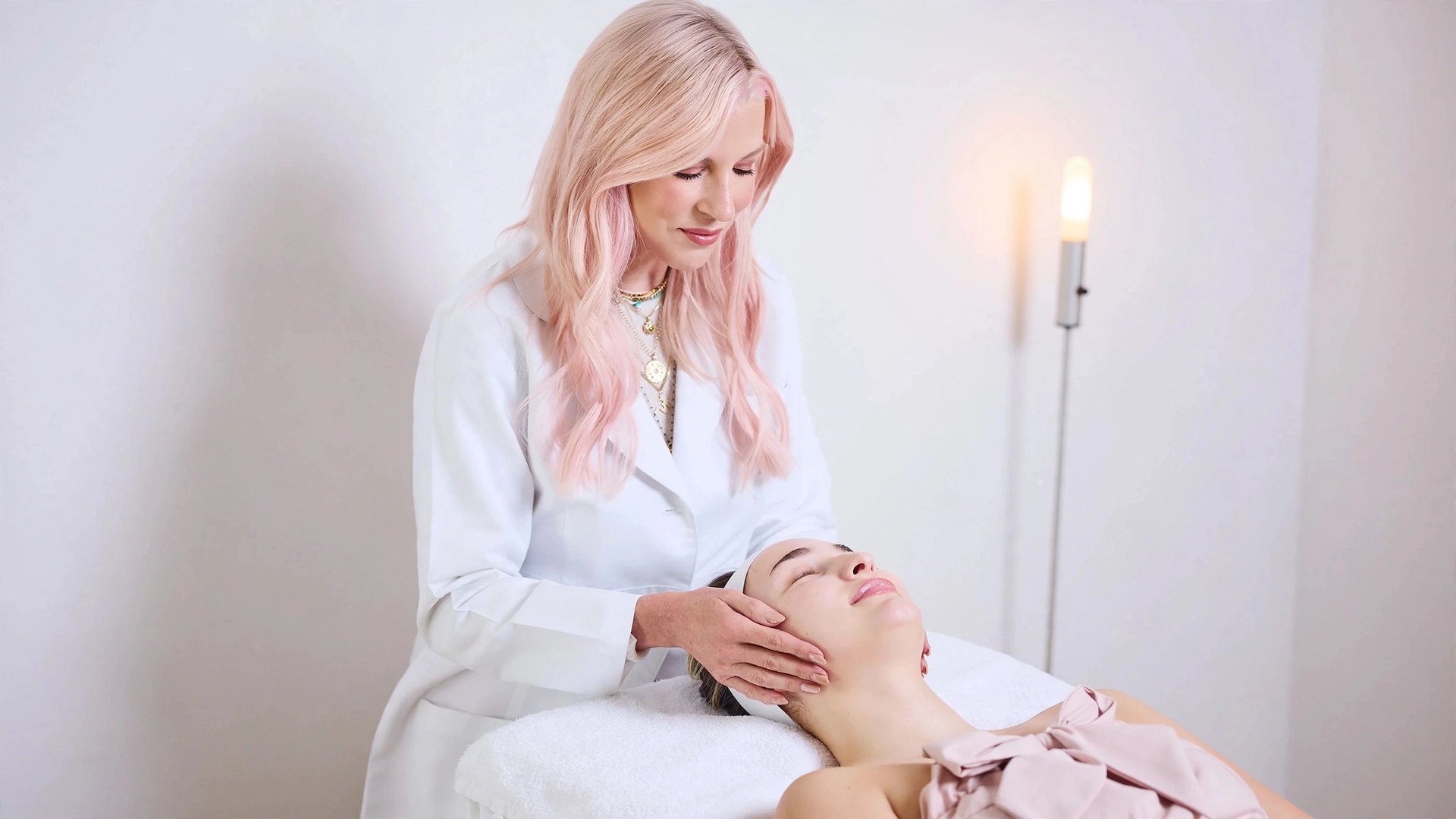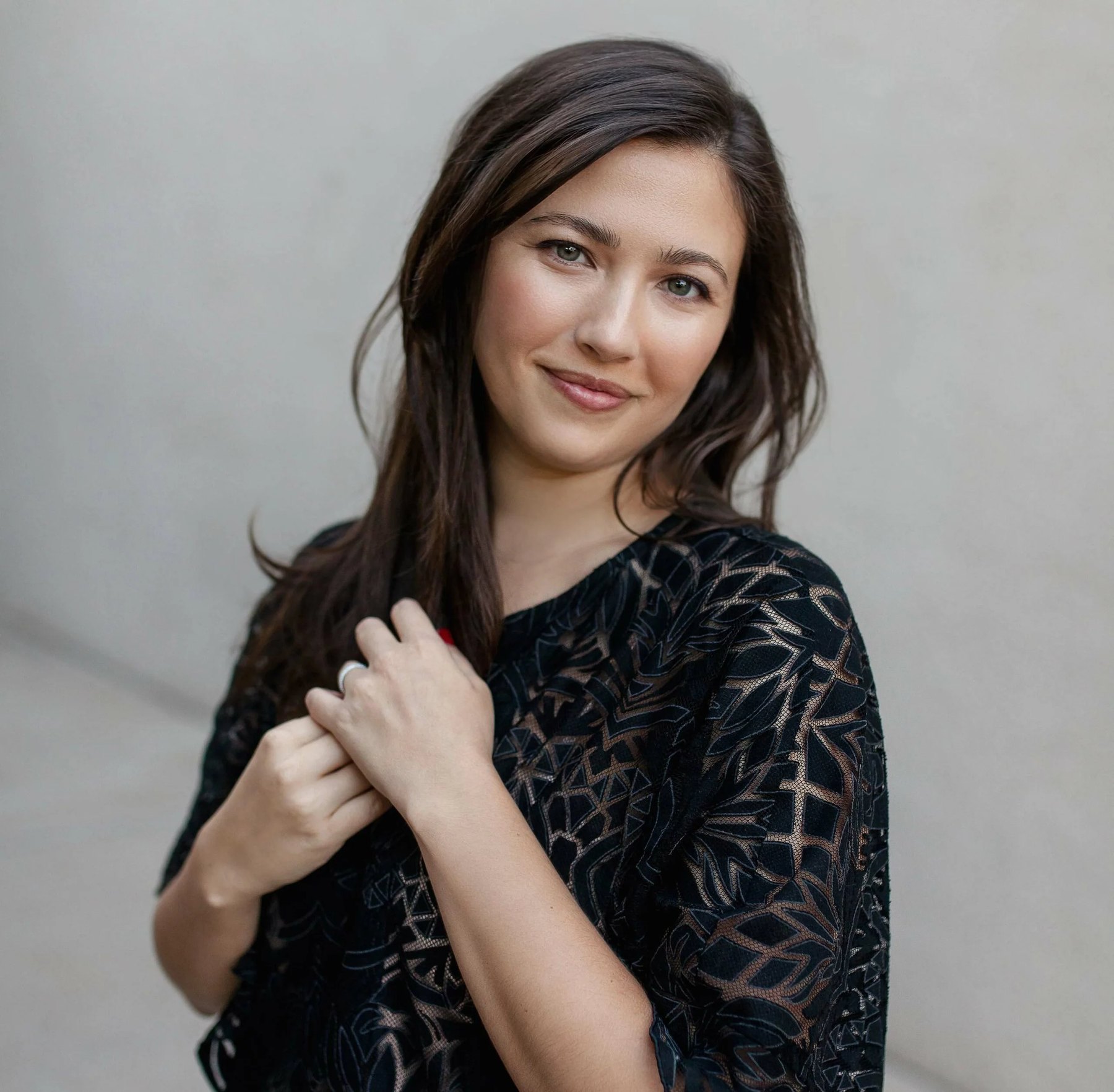
In 2017 she stopped adding and started listening, and built KraveBeauty around fewer formulas that feel good to touch. Founder Liah Yoo describes tamanu oil for a worn barrier, matcha and hemp in a soft jelly cleanse, and oat in a watery cream, all made to fit a calm morning.
Most botanical shelves ask for more. More extracts, more layers, more shine by morning. KraveBeauty chose the opposite path and stayed there.
Liah Yoo arrived at formulation as a video maker and as a person with worn, reactive skin. She had spent time at AmorePacific, posted on YouTube since 2011, and tested strong treatments, antibiotics and piles of medication for breakouts. Her skin stayed oily, sore and easily upset. The shelf filled up. The comfort stayed thin.
What she started in New York in 2017 stays tight in range and unhurried in rhythm. Formulas need a year and a half to two years, beginning with community listening, passing through lab trials and sourcing that prefers byproducts, then a quiet launch. The vow stays simple. Timeless products that cooperate with skin, not battle it.
What feels missed elsewhere is how plant centered that restraint remains. Tamanu oil at ten percent, matcha full of antioxidants, hemp seed oil for suppleness, oat for ease. No fragrance, no essential oils for perfume. Feel carries the pleasure. We met to discuss roots and harvests, but also the care in letting soil rest.
You opened your channel in 2011 and passed one million subscribers before you started KraveBeauty in 2017, after years of acne, antibiotics and sensitized skin. What did those long years of chasing miracle products teach you about what skin truly asks for.
I kept pressing products onto my face that it never asked for, and it begged me to stop. That sounds direct, yet it feels true. I had asked brands and specialists for help and I still lacked the filtered skin seen online. I stayed shiny and sore and tender when touched. I kept layering because I believed care meant quantity.
In time with KraveBeauty, I hope to help everyone pause, press reset and simply hear their skin. We forget skincare only supplements our skin natural functions. Your skin is naturally quite wise, so honor the moisture barriers that you already carry from birth. That turned into the test for each recipe. Does it aid what skin already understands. When not, we skip it.
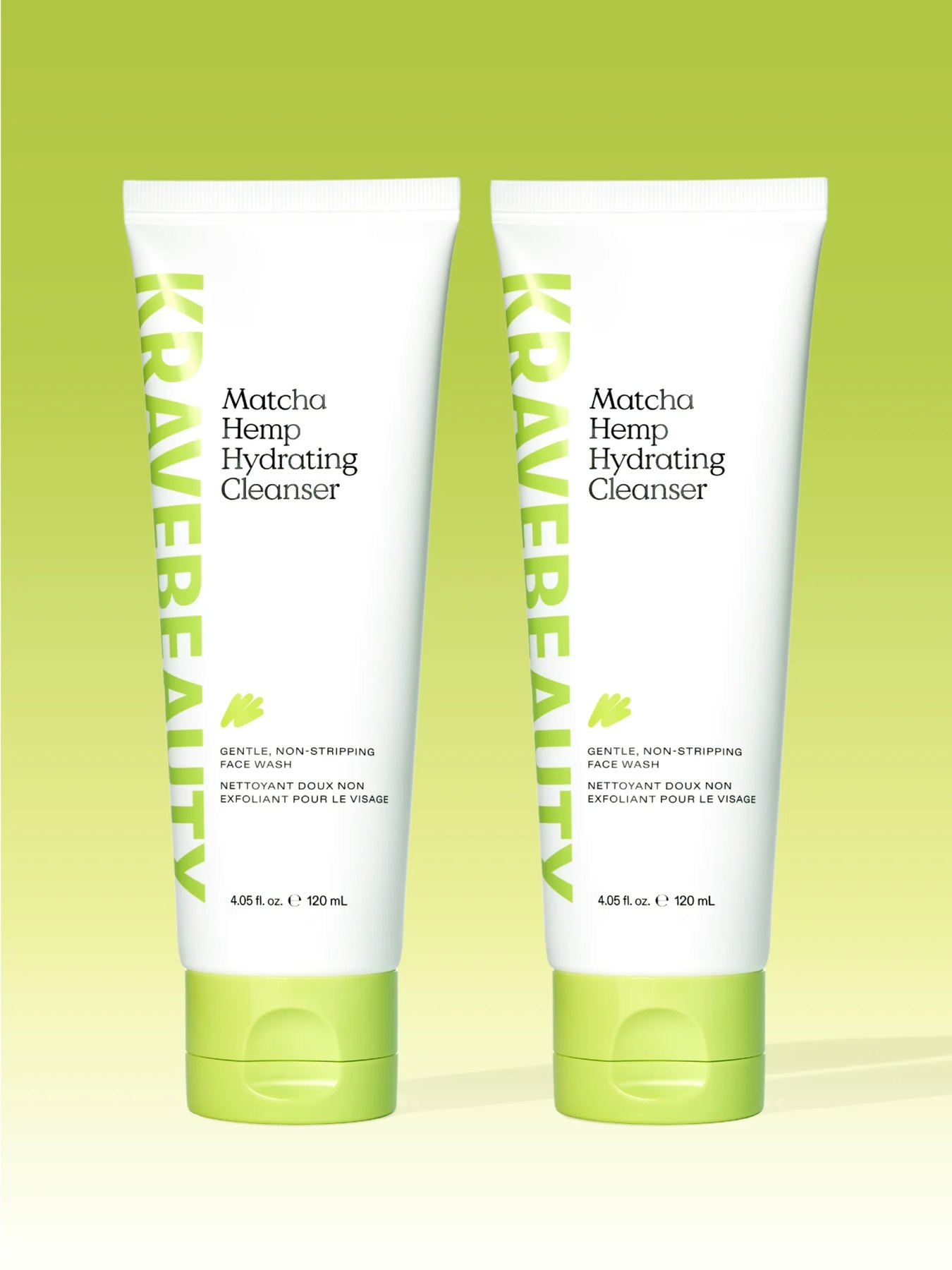
Your cleanser blends matcha, full of free radical fighting antioxidants, with hemp seed oil in a bouncy jelly that has no added fragrance. Cleansers wash right off, so why place such thoughtful botanicals there, and what did you learn while perfecting that texture.
That cleanser proved the most playful to build because softness still needed presence. A cleanser shapes the full ritual. When it strips, later steps must make amends. When it honors the barrier, later steps can remain spare. Matcha offers antioxidants plus a fresh green note with no perfume. Hemp seed oil keeps washing nourished instead of taut.
We declined fragrance and essential oils for scent drama, and let texture speak. That bouncy jelly gives the delight. It pads the palms, lifts the day, washes away clean. We kept tuning the base so reactive skin could wash morning and evening with no squeak. For combination skin in particular, it leaves skin hydrated and settled, not parched. A fine cleanse should resemble watering soil, not scouring it.
You have said Korean routines have kind of trained us to keep adding more when our skin really needs less. How did living inside that culture, including your time at AmorePacific, lead you to formulate for restraint instead of routine.
I honor my origins. I absorbed much about slip, about study, about ceremony. Yet I also saw what follows when calendars answer shareholder interest to hit sales targets, not customer pain points. Shelves crowd. Buying costs climb. Ads begin to shame people, as though skin were a flaw to correct through purchase.
That trend cycle is something that I wanted to interrupt because your skin is not a fashion item, your skin is here to protect you. Ultimately we seek paths to loosen the instant gratification culture in skincare. So we picked fewer bottles meant for long use. We spend a year and a half to two years on one recipe. We prefer smaller output with patience over trend drops for fast gain.
Great Barrier Relief arrived while the industry kept layering actives, and you describe it as born from community listening. Why did tamanu oil, at ten percent in a reparative serum, feel like the right plant to soothe redness and a tired barrier.
Our community repeated one need in varied phrasing. My skin feels overworked. Everything stings. I want rest. Meanwhile aisles brimmed with potent exfoliants and brightening vows. So we pictured a mending product where plants did calm labor rather than acids doing noisy labor.
Tamanu suited the brief because it feels solid and kind. It is a thick, green gold oil from the tamanu tree, long prized for easing the look of taxed skin. At ten percent in Great Barrier Relief, it helps coax skin toward ease while softening the appearance of redness and irritation. It never coats or masks. It backs the barrier so skin can manage its own mending. That sums up slowdown skincare. Offer space, then steady backing.
You talk often about humanizing the brand and lowering the wall where the brand holds authority and the customer only receives. You even hosted a virtual stakeholder meeting with more than five hundred customers in 2020. How does that listening shape a formula before it ever reaches the lab.
For us, it was truly about humanizing the brand. After you loosen that wall or release the stance of I am a brand and you are a customer, you loosen that wall and really humanize the brand and simply talk as one person to another. That never functions as a slogan for us. It shapes how briefs are composed.
Each product opens with problem identification and community listening. People explain where rituals grow heavy or puzzling. Then we carry those notes into the lab. We prefer to include customers in choices over guarding brand authority. We prefer to empower customers to decide over nudging them to buy. When people request a serene moisturizer that stacks neatly, we avoid inserting a fashionable extract for novelty. We refine oat, a water light texture, refill options. Listening stops us from manufacturing needs.
I wanted to break that trend cycle because your skin is not a fashion item to swap with the season.
Liah Yoo
Oat So Simple Water Cream uses oat extract to cool sensitive areas and shield against irritants, and it arrives in refillable packaging. What pulled you toward oat as a lead plant for dry and dehydrated skin, and how do you see refills as part of the formula, not an extra.
Oat stays hushed, and I offer that as praise. It never demands notice. Oat extract helps ease the look of sensitivity and helps skin face the feel of daily irritants like wind, heat and hard water. In a light as water cream, it chills upon touch and leaves a airy veil. For dry and dehydrated skin, that lightness counts more than weight alone. Skin can sip without a blanket.
The refill grew from matching thought as the recipe. Use less. Buy only what you need. When we invite people to decelerate and hold bottles for a long time, the vessel should permit that. The jar remains, the refill supplies extra cream with reduced waste. It also tells our studio that sustainability never serves as a launch story. It lives in careful sourcing, including byproducts when possible, and in cases that honor the botanicals within.
You spend eighteen to twenty four months on some products, and sunscreen development takes longer than other skincare because of regulations. What feels slow about that work in practice, from sourcing to stability, and why keep a small assortment when the market rewards newness.
Slowness opens before lab work. We devote months to reading notes, tracing patterns, picking which concern merits a recipe. Then blending turns cyclical. With plants, harvest shifts count. A matcha batch may appear and feel a touch distinct across seasons. Hemp seed oil wants fresh, gentle handling to remain agreeable with no fragrance to cover it. We revisit texture repeatedly because texture serves as our scent.
Sunscreens introduce a further tier. Beet The Sun required patience because sun protection is regulated as a drug in many markets, with specific testing for SPF and water resistance and stability over time. Such care cannot hurry while staying accountable. We hold the range compact because every addition must merit shelf life for years, not weeks. That defines timeless for us. Fewer roots, deeper.
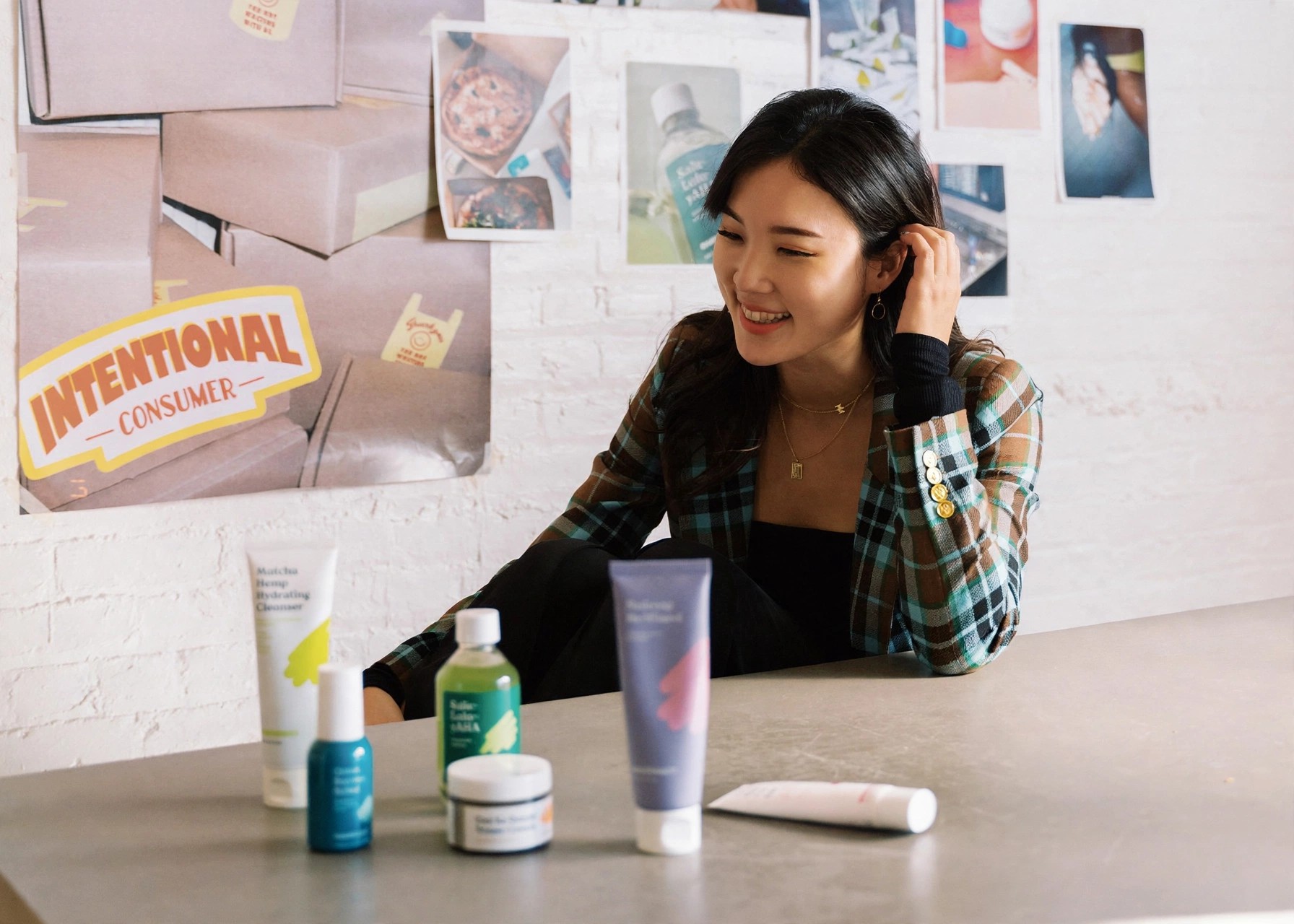
You have said plainly that you never meant this label to be a Liah Yoo label or just another influencer label. As the founder became the CEO, how do you keep your YouTube history present without letting personality steer choices that should belong to the plants and the community.
I never meant this label to be a Liah Yoo label or just another influencer label. That felt deliberate. It is funny how it has turned into a norm where the founder becomes the CEO. I never pictured that title at first. I began with a question about why skincare had grown so loud.
My past lets me translate, not dictate. I can demo my sink reset. I can describe barrier care in everyday terms. Yet the line must hold without me nearby. That calls for stakeholder thinking above shareholder thinking, and recipes that read clearly with no face attached. Plants perform the labor. Community audits the labor. My task remains guarding room where both can thrive.
Your sustainability advice is blunt. Use less. Buy only what you need. For a reader who adores botanicals and wants to try KraveBeauty, what is the easiest place to start, and where do Great Barrier Relief and Matcha Hemp Hydrating Cleanser belong in a soft daily ritual.
Open at the basin and tend the barrier. Evening teaches well. Wash once with Matcha Hemp Hydrating Cleanser, working the jelly across damp skin and clearing with lukewarm water. At dawn, wash anew or splash lightly, guided by how skin behaves. Then press a sheer film of Great Barrier Relief across zones that look flushed or feel snug. Seal with cream and, by daylight, sunscreen.
Allow duration. Plants infuse, they never holler. Observe across one week before introducing more. When skin seems settled, remain put. Less is more concerns attention rather than ownership. Press reset, listen, and keep the ritual only as large as skin requests.
Closing note from the desk
What lingers is touch. Yoo speaks of skin like soil that wants watering, never flooding. Tamanu gives a cushioned press for repair, matcha and hemp give a springy wash that rinses clear, oat gives a cool veil for calm. Every plant keeps an assigned role and none performs for show.
KraveBeauty wanted to reset the skincare norm. That shows as scarce releases, long testing, plain claims, and buyers treated as stakeholders. A plant led shelf read at a slower tempo, with an easy entry point left open.
Product spotlight
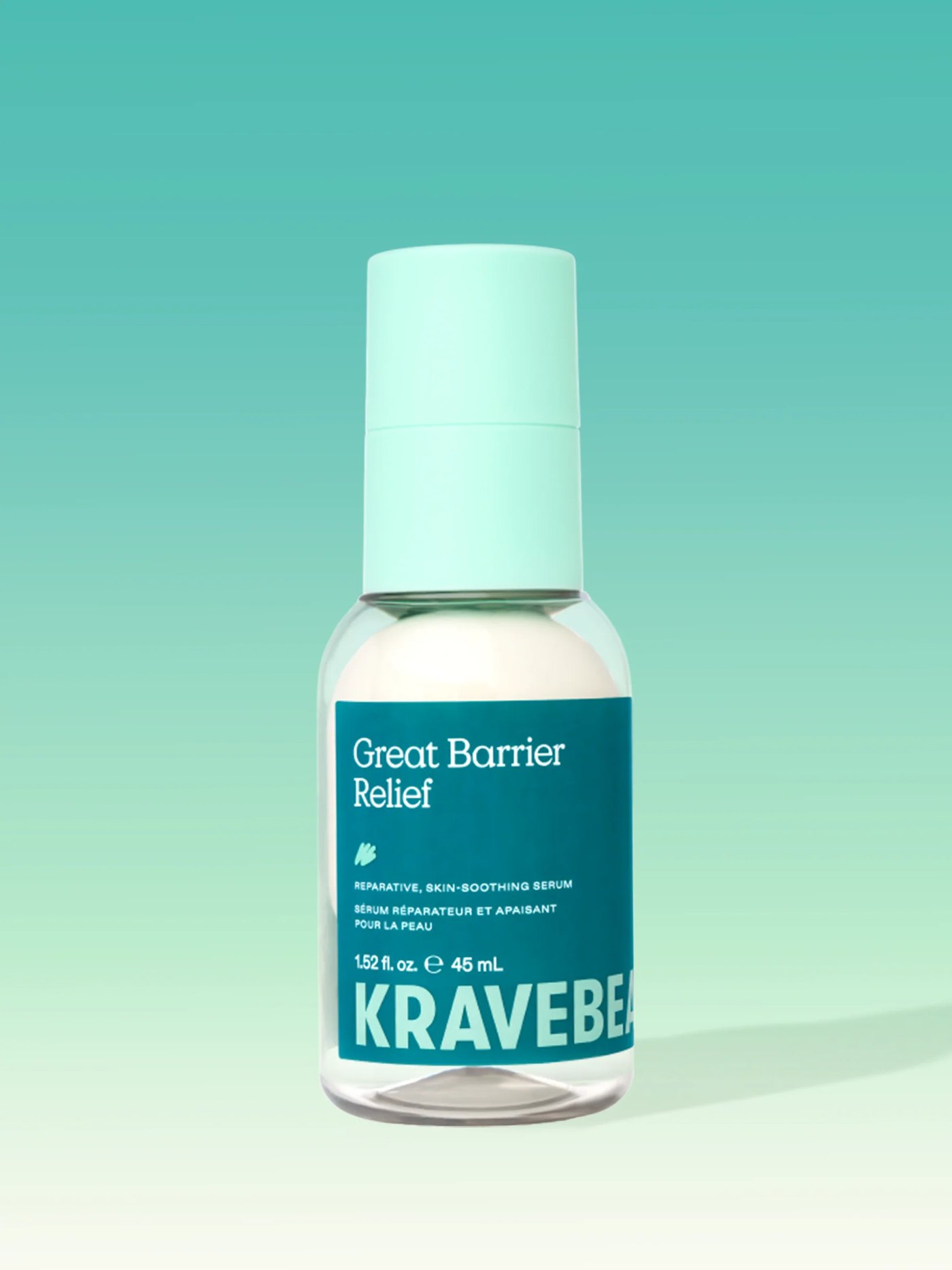
Great Barrier Relief, 29 dollars for 45 mL classic and 50 dollars for 100 mL jumbo. A mending serum for taxed and reactive skin that appears to ease tightness and supports the barrier while softening the look of redness. Press a sheer layer after washing, morning and evening, where skin feels snug.
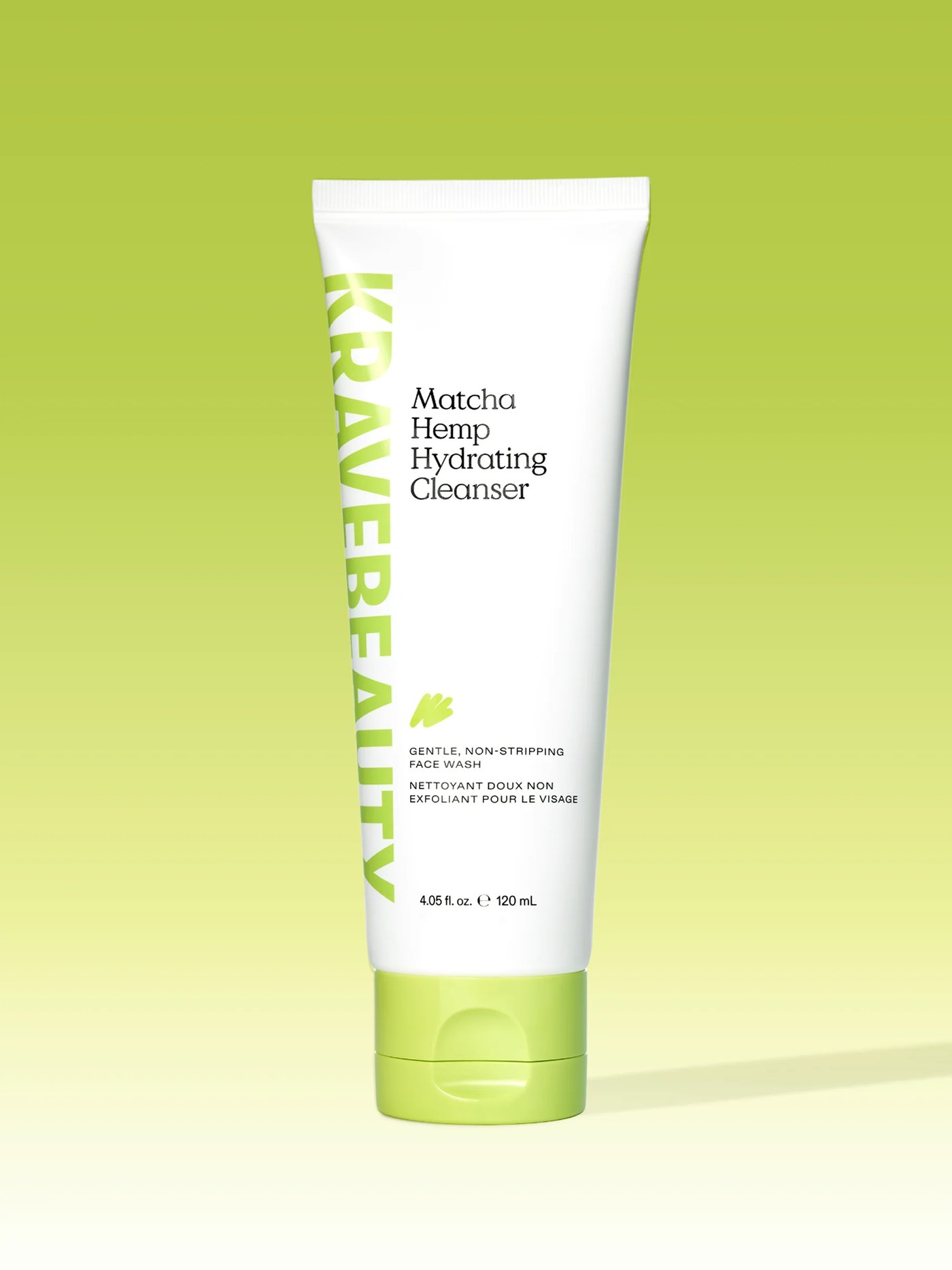
Matcha Hemp Hydrating Cleanser, 16 dollars for 120 mL and 27 dollars for two packs. A soft springy jelly wash with matcha antioxidants and hemp seed oil that may help retain hydration while lifting the day. Work over damp skin and rinse, morning and evening, as the opening move of a spare ritual.

Melissa Whitaker
Melissa produces the interviews at Second Skin: the research, the question lists, the follow-ups. She asks every founder how a formula should feel at nine at night, then asks why it took eleven samples to get there.
More from Melissa Whitaker →