
Kypris asks for your palm before it asks for your shelf, and that small gesture shapes everything else. The textures are mixed fresh, the bottles are made to be held, and the routine bends around weather and mood. This is skincare read by touch first.
Strong formulas often feel severe, and soft ones often feel vague. Chase Polan started Kypris inside that divide and refused to accept it. She grew up between salt air in Southern Florida and pace in New York, then learned soil and stewardship in West Virginia. Those places still sit inside the line.
Her path did not run through beauty at first. She studied math with art history, added organic chemistry beside pre-med work, modeled as a teen, then founded an education company at 21 and led it for 11 years. When she began to formulate, the market felt split. Clinical products gave quick visible change with bases she disliked. Botanical products from health stores felt closer to plants yet wore poorly and delivered little.
The Kypris answer holds both sides together. The brand launched in 2011 into functional medicine, naturopath, facialist and acupuncturist practices, built around three serums and three beauty elixirs meant to be blended into wax-free microemulsions. The formulas join organic, wildcrafted and sustainably grown plants with peptides, stem cells and a bioidentical antioxidant complex. Seven people form the core team. The rhythm runs near one launch per year. The softness is practical too, from spreading climate linked cost rises across the range to staying with trusted organic growers when leaving would cost less.
You ask customers to blend 2 to 5 drops of serum with 2 to 5 drops of Beauty Elixir into a wax-free microemulsion. What does that freshly mixed layer feel like beside a wax-heavy cream?
I prefer blended serums and beauty elixirs made into a wax-free microemulsion over a wax-rich cream as the central step. A microemulsion brings together oil soluble and water soluble actives so skin can receive both hydration and oil based nourishment in a single sheer veil. It feels airy on the cheek. It slides under other layers. It lets you shift the ratio with season, travel, or cycle. Parched winter mornings might call for extra oil. Damp August nights might call for extra serum.
Befriend molecules. That sentence stays with me. Science and spirit feel like two faces of one coin. When steeped botanicals meet exact biotechnology with care, pleasure and performance arrive together. Strength and softness can live in one bottle. I want the felt sense of your Beauty and Being, not a thick seal resting on top and named as care. The palm turns into a tiny lab, and the habit stays responsive.
You started Kypris in 2011 with three serums and three beauty elixirs sold only through doctors offices for the first 18 to 24 months. Why open inside functional medicine, naturopath and acupuncture practices instead of shops?
I have loved skincare, the spa, and being wrapped in natural wonder, at the shoreline or in my bath tub, since I was small. As I started formulating, I kept meeting people trying to conceive, pregnant or nursing, living with autoimmune conditions or cancer, or reactive to widely used actives. They were tender people wanting strong results with a light touch.
A clinic felt like the truthful place to begin. Those practitioners listened before they prescribed. They grasped solubility and size, the way actives of varied solubility act in skin, which I had learned beside Dr. Zoe Draelos. They gave me room to say our formulas are each small worlds of their own, constellations of great care and wisdom. We began with three serums and three beauty elixirs because I wanted skin to get what it needed that day, not one cream pressed on every face. Shops in 2014 and 2015 followed, including our first spa at Royal Palms in Phoenix. By then we knew our people and how to teach the blending ritual gently.
You recall early clinical formulas as strong for a moment yet built with ingredients you would never wish on anyone you love. What on those labels pushed you toward your refuses, including no petroleum anything?
It honestly felt that Nature needed some science, but not cut off from the rightness of living in respect with one another and the land. I studied clinical lines and saw petroleum based foundations and aggressive systems that offered a fast change and charged too much later. I studied health store botanicals and saw plant-near formulas that did little and wore badly. Neither felt like care.
So I learned formulation and picked a third way. We join regenerative plants with green biotechnology. Peptides, plant stem cells, a bioidentical antioxidant complex shaped by chemists and engineers, clinically tested, held in glass with recyclable and post-recycled materials. We never skimp, and we never rush what our hands can feel is right. Cruelty free, ethical practice is the sole way to make beauty. We have held cruelty free since day one. I could not feel good about my skin any other way. That rule steers each lab choice and each farm visit.

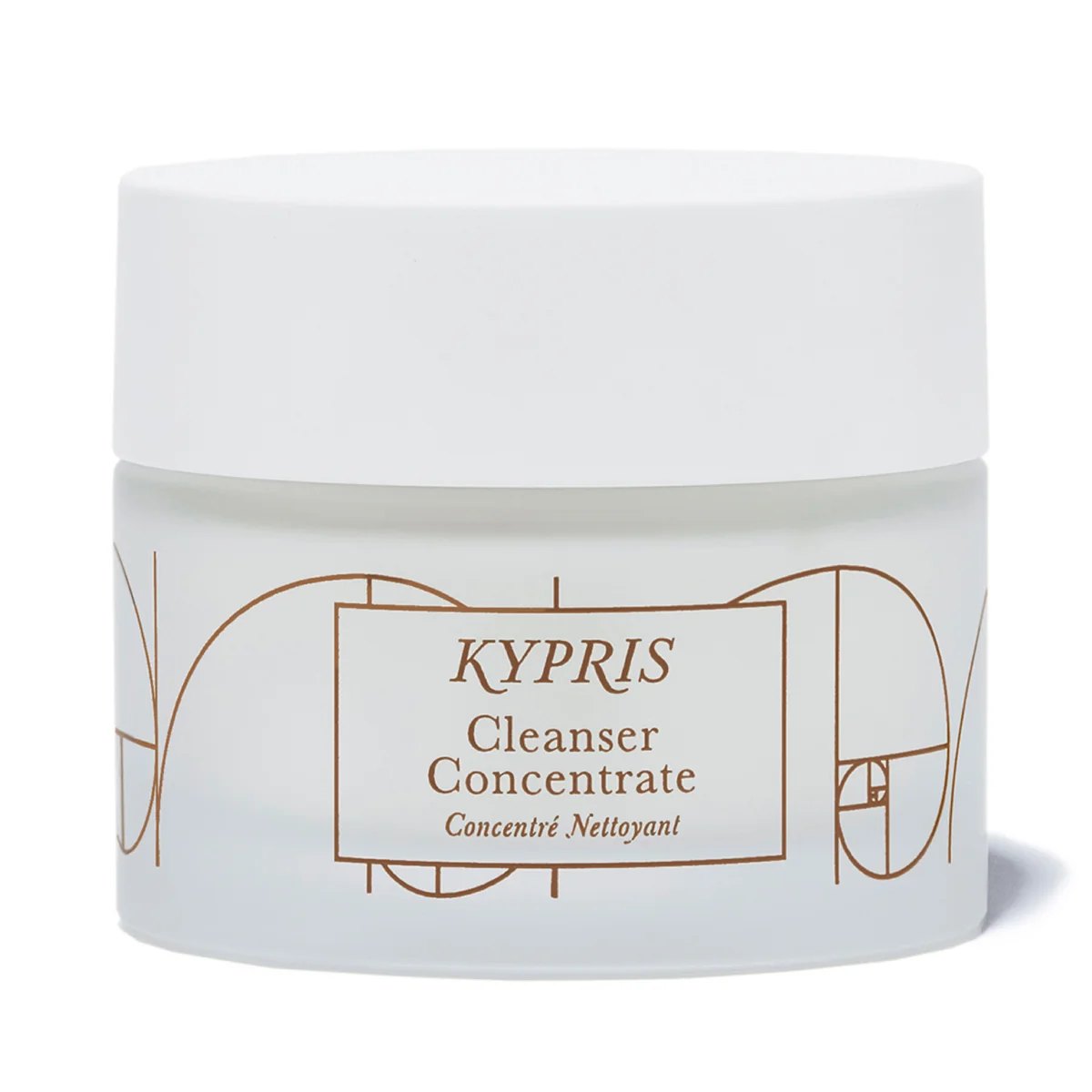
Cleanser Concentrate blends co-op grown moringa with wildcrafted prickly pear and fermented ocean extracts in a non-foaming creme. Why open the ritual with a concentrate that never foams?
A good cleanse should leave skin supple, settled and prepared, not taut. Built around co-op grown moringa, wildcrafted prickly pear, and fermented ocean extracts, this rich, non-foaming Cleanser Concentrate lifts the day without stripping. Take a small measure, work into damp skin, then continue with serum and oil. I keep it in both my morning and evening rituals because it steadies all that comes after.
Foam can please and still fail fragile skin. A creme concentrate lets cleansing plants and fermented ocean extracts work while comfort remains. Moringa adds green garden fullness from co-op rows tended with attention. Prickly pear arrives wildcrafted and sparing with water by habit, used to heat and scarcity. Ocean ferments bring softness and glide. Roots anchor. Soil nourishes. Harvest counts. That whole view lives in one jar, used unhurried.
When sourcing is tended with care, you need less scent and less coaxing.
Chase Polan
Beauty Elixir II centers Bulgarian rose oil from blossoms gathered before sunrise on a woman-owned biodynamic farm. What does that dawn picking add to feel and scent?
Everything, softly. Bulgarian rose oil found in Beauty Elixir I comes from hand cut flowers collected before sunrise on a woman-owned biodynamic farm, and our rose sourcing across the elixirs holds that same tenderness. Petals cut cool keep their perfume. Hands lift more softly than machines ever could. A biodynamic plot is kept as a living whole, with care for soil, compost and rhythm across seasons.
In Beauty Elixir II, Balancing Flowers, that rose meets our distinct bioidentical antioxidant complex in a light, moisturizing beauty oil. The texture runs golden and fluid. The scent stays fresh, never heavy. For flower lovers, it supports glow and eases the look of excess sun and environmental stress. Wear it solo or blended with Antioxidant Dew for a fresh microemulsion. When fields are tended, little perfume and little persuasion are needed. The plant comes through whole and skin registers that clarity.

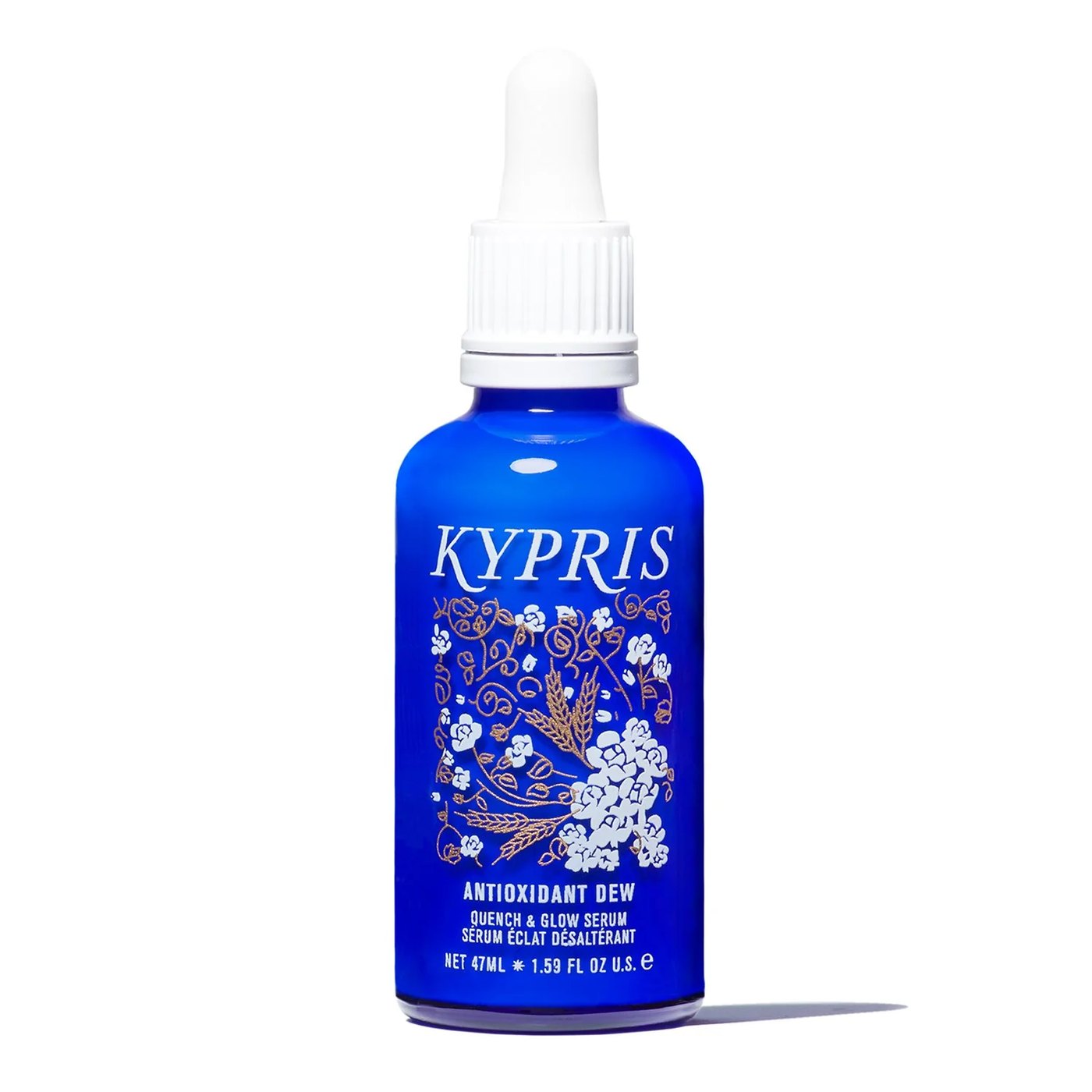
Antioxidant Dew is called your desert island product, a weightless serum with enclosed antioxidants and amino acids. How does it quench with antioxidants yet stay kind to reactive skin?
Antioxidant Dew is my own answer made tangible to that need. I sought quench and glow minus sting. So we chose slow release encapsulated antioxidants, caring amino acids, and a range of calming extracts. Featherweight slip. Deep hydration. Wear it solo or folded with Beauty Elixir into a tailored microemulsion suited to morning or night.
Our formulas are composed for people who react to widely used actives. So dose counts, form counts, and partners count. Encapsulation stops strong molecules from flooding skin at once. Amino acids support the look of smooth, easy skin. Calming plants soften the wear and leave a dewy finish. How we treat ourselves is how we treat the planet, and how we treat the planet comes back to ourselves. Softness here is not thinning. It is engineering, tested and tuned until sensitive skin can breathe freely.
Glow Philtre blends pomegranate pith enzymes with thalassic sea extracts to refine and add luminosity, and you have said you use it midweek while working. Why was pith, not juice or seed oil, the fitting cut?
I adore the ignored piece. Pomegranate pith enzymes used in Glow Philtre come from an upcycled part of a food ingredient rather than an edible portion that might lift food prices. The pith refines, softens and lends luminosity without asking for fresh farmland or food taken from the table. Joined with thalassic sea extracts, it clarifies while keeping skin at ease and smooth to the touch.
I reach for it midweek while working because ritual must suit an actual day. Spread as a treatment mask, then rinse and return to serum and oil. Skin looks clearer, smoother, more lit from within, with pores looking softly blurred. I am an animist. I hold the energetic essence of everything as real as any other measurable facet of it. Beauty made from Beauty is more than a slogan for me. It is sourcing, chemistry and regard in a single motion, repeated weekly.
You spent 18 months to earn B Corp certification in 2024 and you say you build operations and production first, marketing last. What did the audit ask you to show, and why amortize climate driven cost increases rather than switch suppliers?
The way I grew the business stayed operations and production first, with marketing considered only in the last couple of years. B Corp certification weighs social and environmental performance, accountability and transparency across supply chains and operations. The 18 month course asked us to record what we already lived, from vetted organic growers to glass packaging with recyclable and post-recycled materials and stable cruelty free systems.
We prefer to amortize climate linked ingredient cost rises across the line than drop vetted organic suppliers. Farming feels volatile now. Harvests move. Prices jump after drought or flood. If we leave when a co-op strains, we lose craft, quality and trust gathered over years. We are not going to be able to save our way out of our social or ecological pickle. We must support and use responsible innovation. That calls for peptides and stem cells where plants need backup, slow cadence near one item a year, no rapid churn, and lasting field ties that hold across tough seasons.
Closing note from the desk
What lingers is touch paired with method. Polan talks of Love and pleasure in plain terms, then cites encapsulation pace, solubility and picking hour. The spiritual phrasing is not ornament. It points to a chain where growers are known and petals are cut cool and promptly.
Kypris wanted to show softness could still perform, Nature could be aided by science, and a seven person team could grow slowly without lowering standards. Felt in the palm, the microemulsion carries that thesis. Traced back to the field, the sourcing explains why it endures.
Product spotlight
Cleanser Concentrate, 98 dollars. A rich non-foaming creme built around co-op grown moringa, wildcrafted prickly pear and fermented ocean extracts for the appearance of a soft, calm start. Work a small measure over damp skin morning and night, rinse well, then add serum and oil.
Antioxidant Dew, 98 dollars. A featherweight serum with slow release encapsulated antioxidants, caring amino acids and calming extracts for quench and glow. Smooth 2 to 5 drops on its own or fresh mixed with Beauty Elixir for a sheer veil that supports hydration and the look of smooth radiance.

Melissa Whitaker
Melissa produces the interviews at Second Skin: the research, the question lists, the follow-ups. She asks every founder how a formula should feel at nine at night, then asks why it took eleven samples to get there.
More from Melissa Whitaker →