
Three years is a long time to decide what to leave out. Dr Chaneve Jeanniton spent that stretch turning patient complaints into a tight edit of bottles, each one built for thin eyelid skin that dries fast and reddens faster. The choice shaped every texture that followed, from cool toners to cushioned night oils.
Second Skin starts with touch because routines live or die there. A pump that gives too much, a cream that drags across the lid, a toner that feels warm when skin wants cool quiet. As a board certified oculofacial plastic surgeon in Brooklyn, New York, Dr Chaneve Jeanniton measures surgery in millimeters, and she carried that small scale into epi.logic. The line came straight from visits at Brooklyn Face and Eye, where aftercare questions kept pointing toward the shelf.
Patients arrived after Botox, microneedling and lasers asking for plain routines that would guard their results through busy mornings and late nights. They felt worn out by layered regimens and by formulas that stung around the eyes or pilled under sunscreen. She began to design for that strict zone: reactive skin, healing skin, lid skin with few oil glands that sheds water quickly and shows fatigue early.
That origin still shows in the weight and finish of each formula. A compact set centered on retinol, vitamin C and growth factors, tempered with plant extracts and soft emollients that spread thin and settle clean. The eye area stays free of petrolatum and mineral oil. No at home daily hydroxy acids on lids. No ten layer stacking. What interests us, and what many overlook, is the textural labor done by green ingredients: aloe, cucumber, chamomile, squalane chosen for glide and softness, antioxidants that stabilize the base so actives can remain low and steady through daily use.
You keep your range tight instead of wide, and you talk about surface, shape and structure together. How does that lens decide which plant textures make the cut and which heavy finishes stay out.
Thanks so much for including me. As a board certified oculofacial plastic surgeon, I hold skincare to a surgical standard of exactness. My outcomes are counted in millimeters. I look after the full face aesthetic, and my operative focus narrows to the eyes.
That focus rewrites a recipe. In the operating room you choose the least intervention that works. You honor tissue. You remove nothing extra. I sought the same control in a jar. epi.logic grew from wanting to truly answer what users need, offering full advantages while helping the user feel capable, knowledgeable, and secure in her skin.
The path from idea to launch for epi.logic covered three years, and the welcome has surpassed what I imagined. The time went to subtraction and to testing textures until they felt calm on contact. We lean on observed evidence. We cut additives likely to provoke. We pair core actives with supporting ingredients that lift performance while softening irritation. I prefer gentle levels that rise gradually to flooding delicate skin.
In Eye Contact you cushion time release retinol with hydrators and brighteners, even though lids crease early and flush easily. How does that soft delivery change the fingertip feel of a retinoid eye routine.
I remain a firm believer in retinoids for eye cream. Whether retinol itself or a retinol derivative, those are rather key ingredients. The corners show creases and slack early since the cover is slender and always in motion. Handled gently, a retinoid helps the look of smoother, bouncier skin.
Dose plus vehicle does the work. In Eye Contact we pair slow release retinol with illuminating antioxidants, peptides and pliable moisturizers to soften the look of shadows, spring and fine lines. Slow release spreads over hours instead of all together. Moisturizers pad the contact so the fingertip slides rather than pulls. That lets the level stay humble and constant from first pump to last.
Touch counts as well. Be certain to create plenty of glide between fingertip and lids as you begin application. Warm a tiny dot, slide without tugging, tap lightly to settle the veil. When you pull thin skin, you make soreness unrelated to the recipe.
Double Feature holds retinol and AHAs in squalane for overnight wear. What made that light oil preferable to denser seals, especially beside your rule on petrolatum around the eyes.
Squalane feels familiar to skin. It sheets thin, sinks neatly, rests soft with no dense film or morning residue. Weighty seals such as petrolatum and mineral oil can clog and prompt milia near the eyes, those tiny pale dots linked to trapped pores. I will not place them there.
In Double Feature, squalane performs background chores through the night. It ferries actives across the surface. It pads stronger acids so they unfurl gradually. It helps encapsulated retinol and acids release slowly while you rest. Skin feels fed yet not covered. For moisture hold we favor flexible helpers: hyaluronic acid to keep water, glycerin to attract it, squalane and kindred softeners to slow its escape without a waxy cap.
Lids carry too few oil glands, leaving them open to dryness, so water magnets and softeners such as glycerin, hyaluronic acid and squalene aid hydration feel. That same thinking touches every formula in the range. Offer parched zones water plus a sheer veil, not a thick lid that traps heat.
You talk about taking care of the whole face aesthetic while zeroing in on eyes, and about matching surgery with exact skincare. What did that exactness require when you shifted from theatre to blending bench.
From idea to launch, building epi.logic absorbed three years, and the response has gone well beyond my hopes. It lasted because subtraction takes time and because texture decisions take repeated trials. We consult measured evidence. We drop additives with reactive potential. We marry key actives with companion ingredients to raise benefit while calming triggers. I favor modest strengths layered slowly over swamping fragile skin.
That method mirrors operative planning. The smallest useful gesture. Regard for living tissue. Nothing taken beyond need. I wanted matching restraint on a shelf and in the hand. epi.logic started from hoping to truly serve user needs, delivering broad value and leaving the user feeling strong, clear, and settled in her skin.
As a board certified oculofacial plastic surgeon, I feel skincare ought to match surgery for exactness. My wins are tallied in millimeters. I attend to every facial aesthetic, and my surgical niche centers on eyes.
After patients asked for plain routines that would keep their clinic results, you spent three years building epi.logic. What were they saying chairside that shelves failed to hear.
Even when someone books to discuss under eye filler, I use our visit to coach her on improving home plus clinic plans. That talk recurred almost daily. People craved plain, strong everyday skincare that tackles usual skin worries and stretches treatment value without adding fuss.
They felt exasperated by tangled regimens and weak products. Excessive phases. Clashing promises. A morning layer that balled under sunscreen. A night cream too dense for lids and too scented for comfort. Makeup ought to be an option rather than a requirement. That sits at my skin first view. When skin appears even and settled, cosmetics turn optional rather than necessary.
So we built to merge and to fit almost all skin types including delicate and post procedure skin. Fewer bottles, each with a defined job and a finish that layers cleanly. From my clinic to your shelf feels literal to me. It describes our process. What soothes in the treatment space must transfer to the vanity without extra instructions or extra tools.
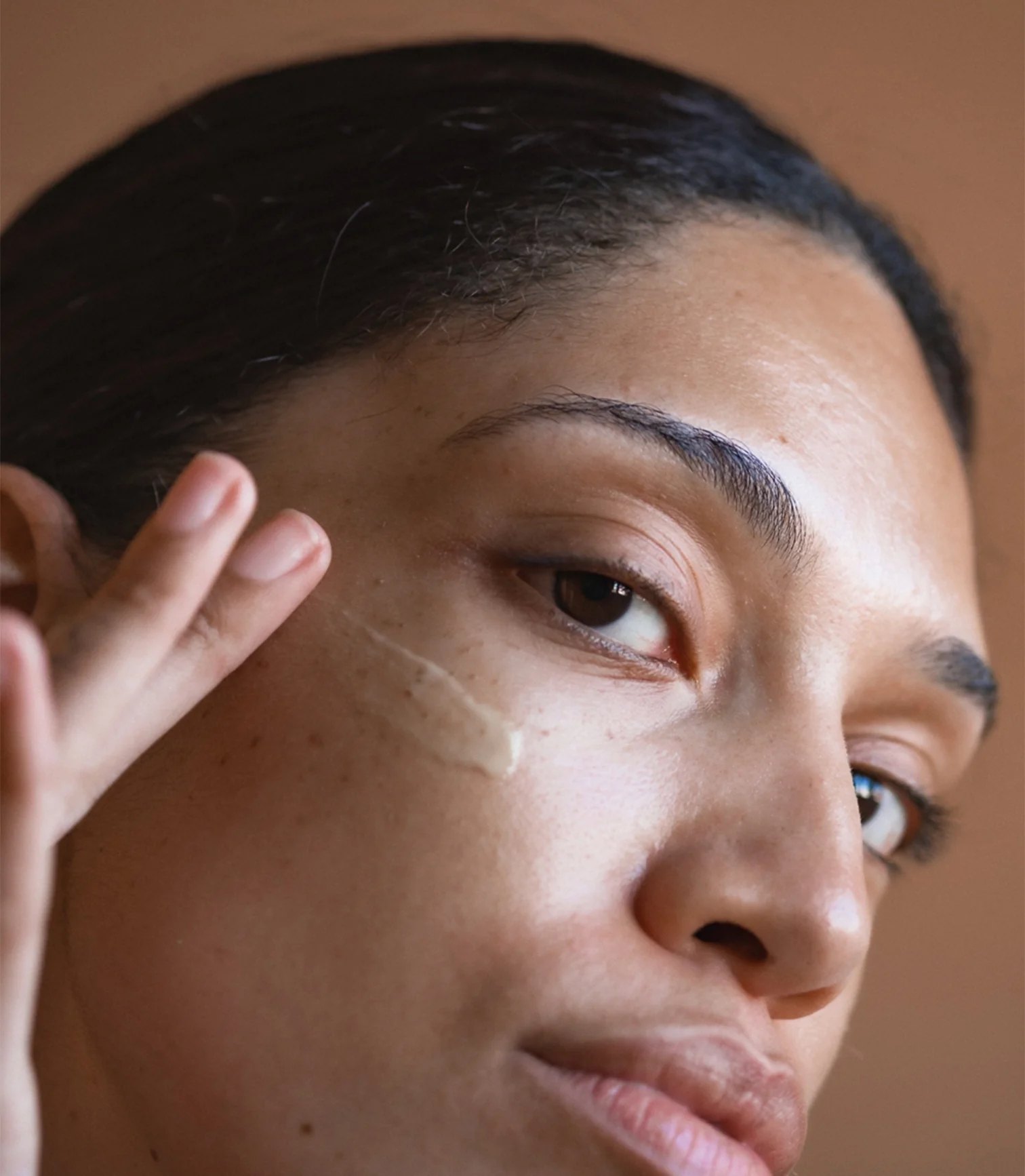
You set a firm boundary on acids, using them near lids in clinic yet declining daily eyelid hydroxy acids at home. Where do plant derived exfoliants belong for better slip and safety.
Indeed, at the practice I will apply acids beside the lid but would not suggest that for home care. In clinic I manage potency, timing, neutralizing and recovery with close watch. At home, the rim sits too near the eye, and everyday use accumulates sting that is tough to undo.
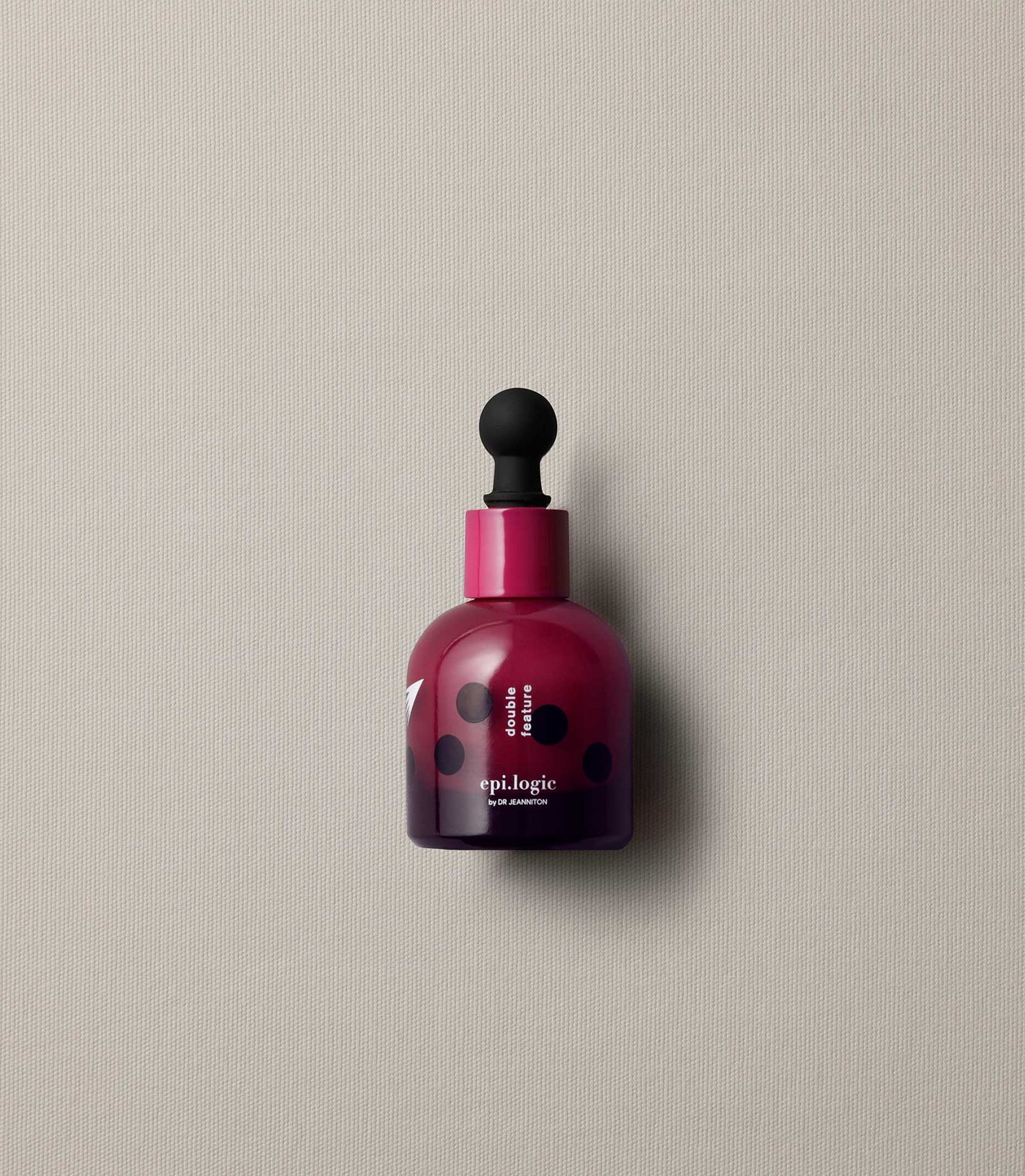
So we keep exfoliating plants and mild acids for hardier zones. Double Feature is a single step night concentrate that releases encapsulated slow release retinol and Vitamin A complex with AHAs, lactic plus mandelic acids, inside a squalane base. It belongs on the face after dark, not along lashes. Lactic acid carries a bigger structure that also binds water, mandelic acid behaves slowly and evenly, and squalane lends glide and fosters softness that lasts till morning.
Clean Reveal places glycolic acid with gluconolactone in a sleek gel wash crafted for reactive skin. It washes off quickly. That brief touch, then stillness after, matches many sensitive users who want polish without lingering tingle.
I like to begin with small amounts and build slowly rather than stress sensitive skin.
Dr. Chaneve Jeanniton
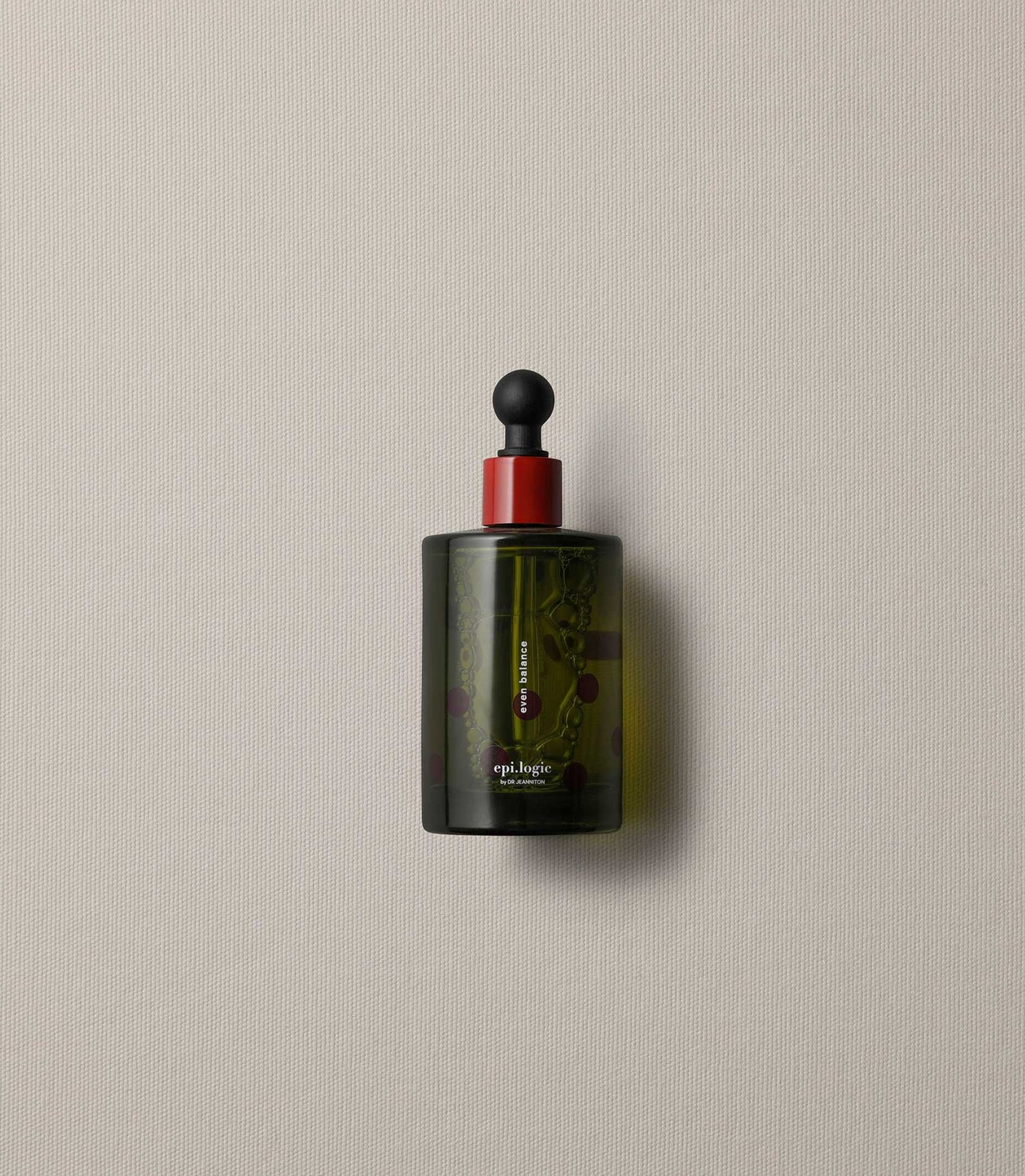
Even Balance mixes aloe, cucumber and chamomile with CoQ10 and superoxide dismutase. How do those textures behave on skin, and where does the step sit in a morning ritual.
Even Balance is our settling step. A calming plant trio of aloe, cucumber, plus chamomile extracts soothes and comforts skin on contact. Aloe supplies water holding sugars that sense cool and make skin seem less taut. Cucumber offers mostly water with a crisp sheer touch that stacks cleanly under serum. Chamomile holds flavonoids long used in skincare to ease the look of redness. None resurfaces. They ready the ground, if you will, with a damp cool finish.
Then come supercritical antioxidants CoQ10 plus superoxide dismutase. Supercritical names a neat capture process using pressurized carbon dioxide to pull delicate actives free of aggressive solvents. CoQ10 occurs naturally in skin and helps guard its look from environmental strain. Superoxide dismutase is an enzyme that assists in curbing surface oxidative stress day to day.
Pat it after washing, ahead of serums or creams. Use dawn plus dusk when skin trends reactive. It fits healing days when skin seeks chilled calm over action and when layers must sit lightly.

In teaching you stress that melanin rich skin may mark more readily and fade marks more slowly, with sunscreen as essential. How do your brightening textures support that patient pace.
Marks demand forbearance. Melanin rich skin may develop hyperpigmentation more easily and may find fading it harder, and sunscreen is called vital when addressing it. Lacking everyday light defense, brightening gains slip away by midday.
We work low and stacked. Vitamin C in Daily Dose helps skin look brighter with more uniform tone over time. Retinoids favor the look of renewal. Plant antioxidants settle the backdrop so skin seems tranquil as tone evens. We skip potent daily acids near the eyes at home since swelling can deepen the look of dark areas.
Chemical sunscreen near the eyes may provoke tears and sting, while mineral sunscreen may cast white, so brims, shades and UV avoidance join in too. I tell patients to measure change in seasons, not weeks. Mild steadiness, light care, a plain routine kept daily. That fades the look of spots more surely than harsh peels without strategy.
You have noted that gaining ground in New York proves hard while deliberately staying small, and that a crisp sense of your distinct gift matters. What has staying little kept intact in texture and sourcing.
Gaining traction, particularly in a market as crowded as New York proves hard when you deliberately remain little. Our team stays lean with a medical assistant plus aesthetician, aided by advisors on brand strategy and public relations. That closeness keeps choices near the patient and near the feel of real mornings.
A crisp sense of your distinct gift is essential. Ours means eye level judgment spread over the full routine. Littleness guards it. We can hold levels gentle. We can demand companion botanicals even where they raise cost or tangle mixing. We can ban dense occlusives near the eyes and decline to push daily lid acids for home routines, even where such claims move units.
Brooklyn Face and Eye is from Dr. Jeanniton’s office in Brooklyn, New York, centered on face aesthetics with operative attention to eyes. Rooting there shortens response loops. Someone returns in a fortnight. We refine guidance, not only recipes. From my clinic to your shelf rings true when the clinic sits nearby and the feedback arrives in person.
Closing note from the desk
What lingers is touch discipline. A surgeon who might have stocked many shelves chose few shapes with intention. A maker who might have pushed potency chose slow release, humble levels and plants that cool on contact. Talk circled back to tissue, glide, water escape, sun, the plain facts that decide whether a jar empties by spring and earns a refill.
epi.logic aimed to render clinical skincare wearable for delicate and post procedure skin, exact enough for lids, and constant enough to back office treatments. Felt slowly, that reads as a garden account too. Aloe plus chamomile roots, a squalane bed that ferries bolder actives, a harvest timed for night rather than hurried by day.
Product spotlight
Even Balance, 65 dollars. A weightless botanical toner pairing aloe, cucumber plus chamomile with CoQ10 and superoxide dismutase. It eases the feel of taut or flushed skin and leaves a damp base for serum. Press a small splash across face and neck after washing, morning and evening, before richer coats that seal in the water.
Double Feature, 140 dollars. A squalane based night concentrate blending encapsulated slow release retinol, Vitamin A complex, lactic plus mandelic acids. It refines the look of texture and tone as you rest. Smooth a pea sized veil over dry face at night, keeping clear of lids and lash edges, then let the slip settle before sleep.

Laura Reyes
Laura runs the news desk and the texture guides at Second Skin. She keeps a drawer of empty jars she could not bring herself to throw away, sorted by how good they felt to open.
More from Laura Reyes →