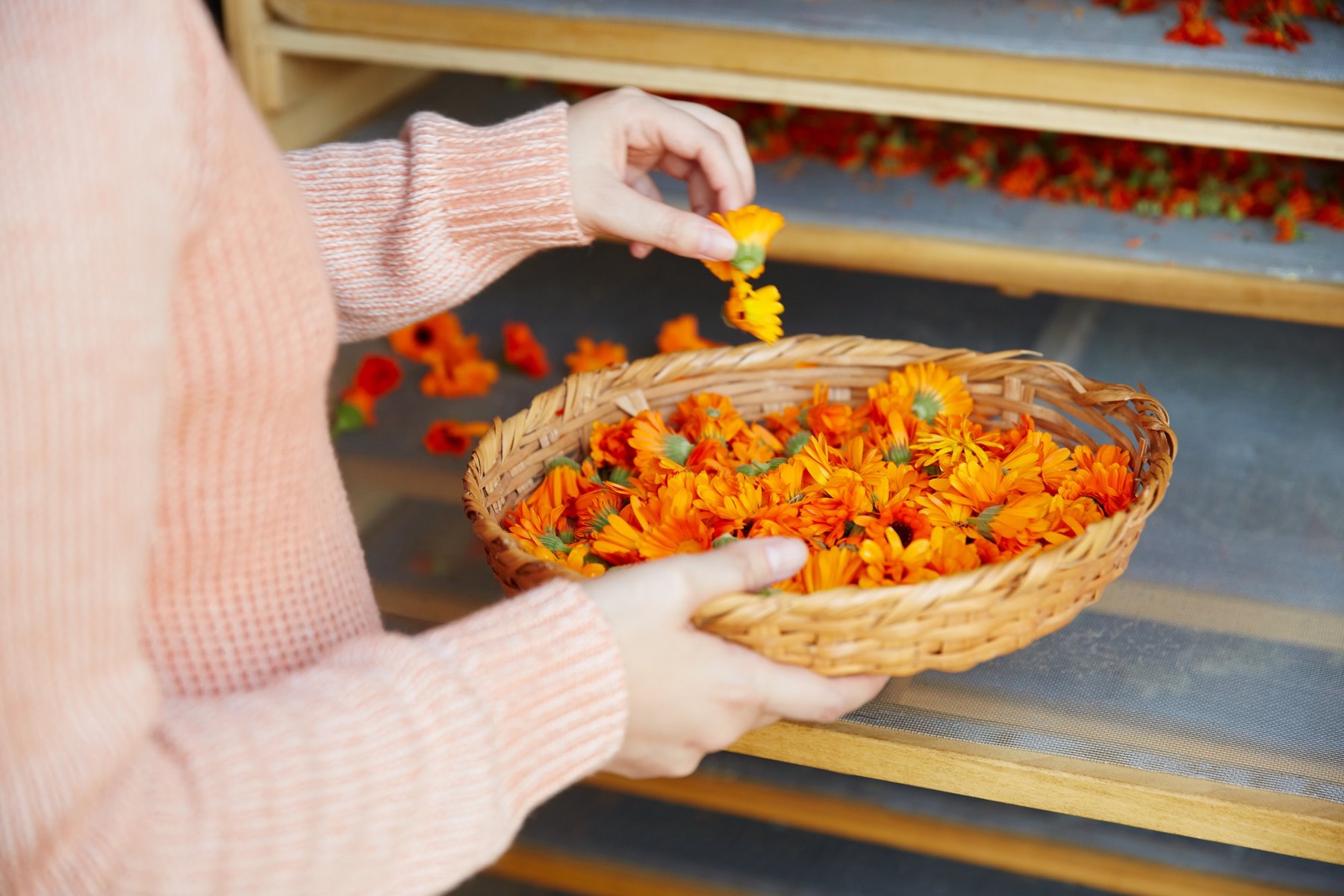
Fingertips first at the Barn. Laurel Shaffer lifts dried leaves and flowers from shallow trays and rubs them gently to check crispness and scent before grinding begins. The production room in Petaluma stays calm and fragrant while raw harvests wait in sacks and bins. Touch decides what happens next. Her palms learn each delivery, and the air carries dust, resin and crushed green.
Laurel Shaffer starts her mornings at the Barn in Petaluma, close to the slow Petaluma River, with whole plants on the bench. Deliveries arrive from nearby artisan growers in boxes and cloth bags. She feels them, looks at their color, breathes in their aroma, then chooses which lot should rest longer and which lot is ready to mill. Nothing moves quickly. Inside the apothecary workspace there is chopping, decanting and blending.
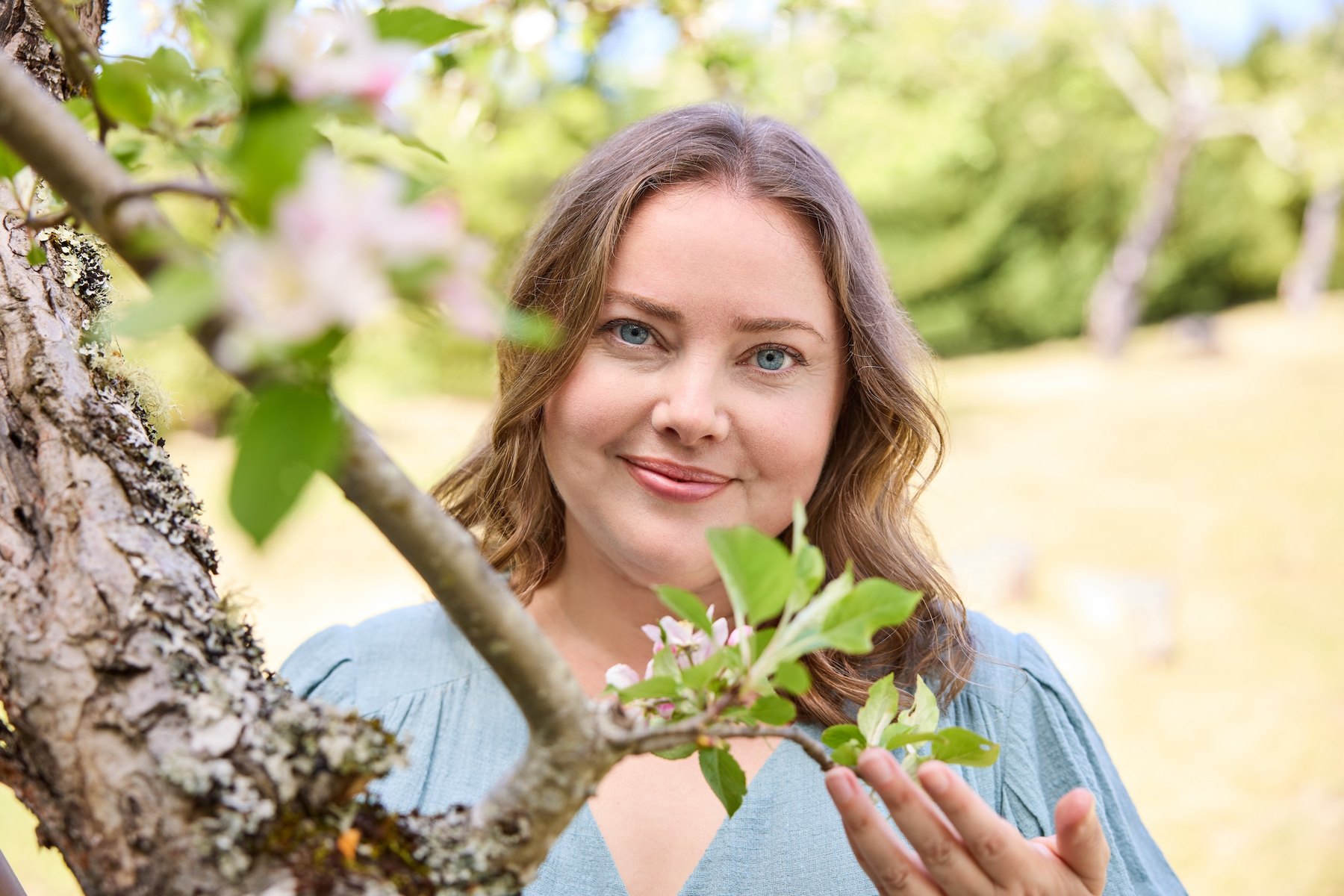
She was raised on a GMO corn operation in rural Illinois, passing her days searching ditches and field edges for uncultivated weeds and flowers. At nineteen she drove west toward California and stayed. She completed training as a sommelier and as an herbalist, pouring wine in a Michelin starred dining room while attending the California School of Herbal Studies. Wine introduced her to biodynamic and regenerative agriculture tied to natural cycles. Her personal health brought her to closer trust in botanicals.
When Laurel Skin emerged, it reflected both trainings. Careful food style sourcing, plant chemistry and herbal practice, combined into whole plant organic skincare prepared in direct partnership with growers. Now she resides on a six acre biodynamic herb property with her husband Eric plus their two dogs, and every step of making remains together at the Barn.
What matters here is how physical the patience feels. Botanical extracts are prepared manually and left to infuse for months before being decanted into bottles by hand. Recipes preserve full plant chemistry rather than single isolates. Common vigorous species are favored over rare imports because they flourish and return nourishment to the Earth. This talk covers why she prefers the more demanding ingredient, how daily craft unfolds, and what that invites from the people who apply it.
At nineteen you drove west and learned two crafts side by side, pouring as a sommelier in a Michelin starred restaurant and studying at the California School of Herbal Studies. In what way did wine guide you back toward the farm
My guidance tends to arrive through the plants, the growers beside me, and the living world. Wine service offered me a sensory path into that link. With wine, particularly biodynamic and regenerative wine, farming becomes perceptible in the cup. Soil and attention and harvest timing come through. You begin to honor picking choices and year to year shifts instead of resisting them.
In parallel I studied botanical medicine while growing skeptical of conventional care during my own health challenges. I leaned on plants for everyday balance and felt genuine steadiness from them. I also felt let down by natural beauty products that appeared wasteful or superficial and disconnected from true herbal knowledge, land, or grower origin. I began herbal study with the aim of building an honestly organic range based only on plants and foods in their cleanest state for facialists and spas. Careful food style sourcing showed me procurement. Plant chemistry showed me formulation logic. Herbal practice showed me waiting.
We appreciate the visit to the Barn, Laurel. You spent childhood on a GMO corn farm in Illinois, seeking wild plants along fields and creek beds. What lessons did those early years leave you about plants
I began listening to plants well ahead of learning how to compose formulas. As a kid on that property, I passed daily hours seeking spontaneous growth around fields and stream banks. I lacked terms for the feeling then. I simply sensed those little green pockets were vital in a way the corn rows were not. They were unplanned and hardy. They came back every season without inputs or acknowledgment.
Later the contrast sharpened. That agricultural model did not move with rhythms of nature. It clarified what I wished to avoid in my own practice. I hold strong affection for spas, wellness, cultivation and herbal medicine. That affection began with observation. Plants signal clearly when they wish to join a recipe or address a particular concern, and they frequently flourish abundantly on our partner farms when they wish to be part of the work. I still honor that cue before lab data, before fashions.
You favor abundant and thriving plants from partnering farms over trendy or exotic ones. What does abundance reveal to you about potency
I lean toward species that are plentiful and vigorous on our partner farms instead of fashionable or far flung species. That preference shapes each recipe. When a plant prospers close by without coercion, it already belongs to that ground and season. That aliveness registers in aroma, hue and touch.
Vigorous and plentiful plants are often the strongest allies for our skin, and working with them restores the Earth instead of depleting it. It allows us to remain close to regional cultivators rather than pursuing a scarce import from far away. We can stand in the planting and walk between rows. We understand its cultivation and harvest moment. We carry it raw to the Barn and complete the handling ourselves. That proximity keeps us accountable. If a species falters locally, we avoid pushing it. We pause or we select another plant eager to grow.
You describe slow farmed beauty and plant medicine made for the skin. When Laurel Skin began, what promise did you set about what belongs in the bottle and what never will
Whole plant, without apology. That remains the vow. Fully whole plant organic skincare with intact plant chemistry, cultivated slowly and prepared in house. I hold that every plant carries medicinal value, so naming a favorite feels rather like naming a favorite child. Yet our handling counts as much as our selection. Clean sourcing alone cannot replace relationship.
We reject single compound isolates that lift one molecule and discard the remainder. We reject industrially refined commercial extracts. We reject manufacturing beyond the Barn. I also seek materials that I can secure in the most truly unprocessed and unrefined condition available. It demands more hours and more attention, yet it preserves plant wholeness and recipe coherence. Care across the supply chain is not phrasing for us. It is what keeps the preparation unified from soil to skin.
You have written about carrier oils that quality counts more than the choice itself, naming jojoba and rosehip. For someone blending at home or reading a label, how should they regard those oils
With carrier oils in particular, ingredient integrity counts more than which oil you select. A vivid, unrefined oil from a tended farm will comfort the skin in a manner a stale, refined oil cannot, even when the labels name the same plant. Provenance and method reveal the honest narrative. I consistently ask who cultivated it, how it was expressed, and what it smells like upon delivery.
Jojoba offers a stable foundation that may help a blend stay consistent and carry nourishment further into the skin. It is actually a wax ester, near skin sebum in texture, which explains why it spreads so smoothly and agrees with varied skin types. Rosehip contains a broad range of nutrients that sets it apart from many other carrier oils. It contributes a layered profile that blends beautifully with patiently infused herbs. Notice tint, aroma and origin. Those plain cues disclose nearly everything you need ahead of any marketing claim.
Everything is made at the Barn in Petaluma, where raw plants are ground and dried and mixed, steeped for months, then poured by hand. Why hold all of that craft under one roof
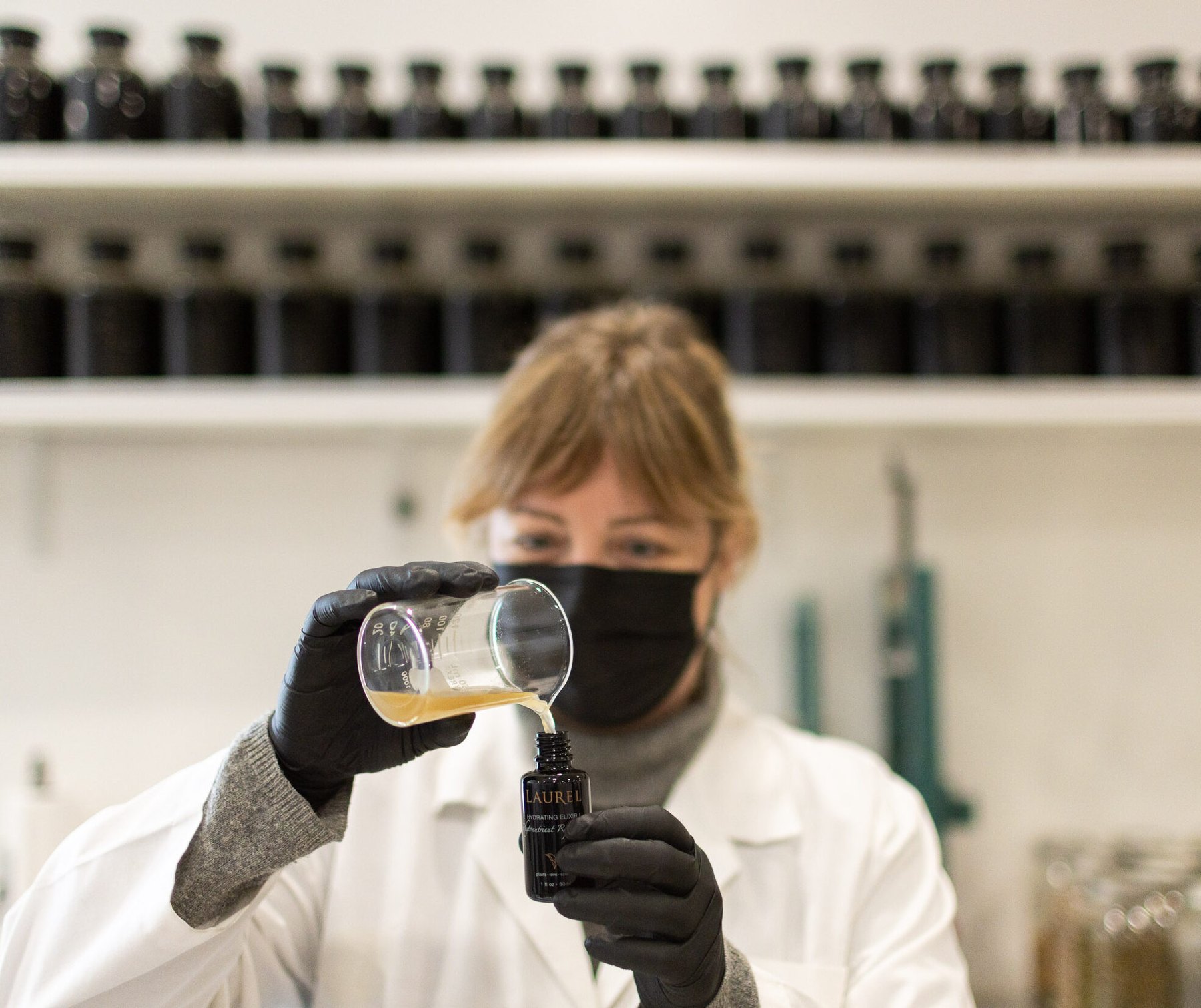
Because excellence resides in subtleties absent from a lab report. Botanicals arrive from regional artisan growers, enter the Barn workspace raw, then are milled, dried, combined, infused for months into handcrafted herbal extracts and decanted into bottles on site. Our own crew witnesses each phase. Nothing departs the premises before its moment.
I prefer preparing herbal extracts on site across months over purchasing commercial chemically refined extracts. I prefer retaining all production in house beneath one roof over delegating manufacture. During a gradual infusion, you come to know the batch. Color thickens across weeks. You detect by smell when it shifts and sense whether to agitate or rest. Such awareness cannot be hurried without altering what the botanical provides. Locating warehouse fulfillment, customer care, plus marketing and education with esthetician partners together means impressions move swiftly, from treatment space straight to the worktable.
When a plant thrives nearby without forcing, it already belongs to that soil and season.
Laurel Shaffer
You shared self care rituals during the pandemic period and recalled Miraval memories, and daily use of the products with gratitude. What shape does your own ritual take
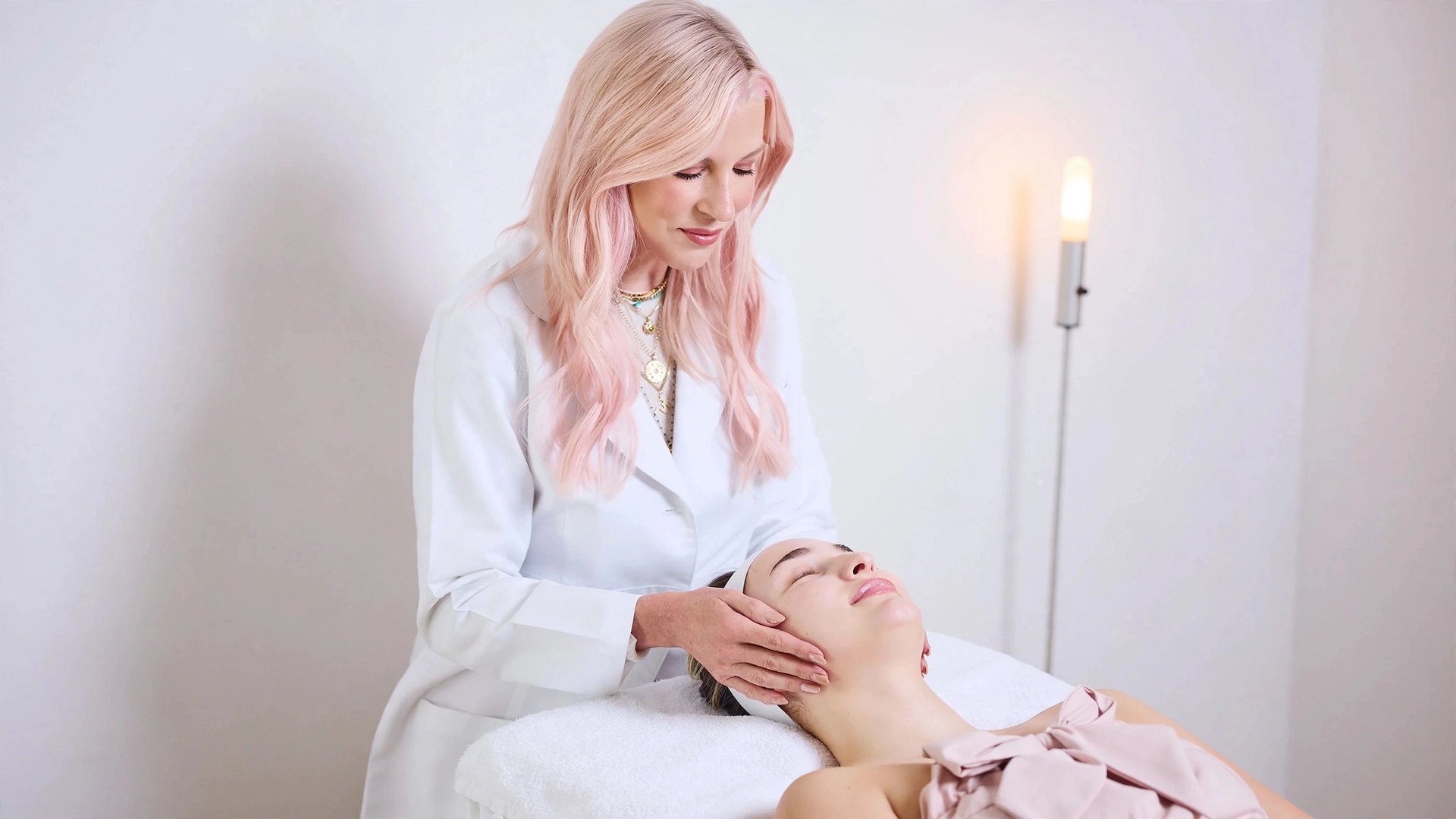
Using our formulas daily brings me an instant feeling of calm and gratitude, profound thankfulness toward the herbs and the farmers responsible for them. That sensation forms the practice. Warmed palms, unhurried breath, pressing instead of rubbing. Allow fragrance to arrive initially and quiet the body before adding the following layer. I refuse to rush this interval.
During that pandemic span, while I posted rituals and Miraval recollections, simplicity remained the lesson. Wash softly, saturate skin with hydration, lock with oil, rest between applications. I dwell on a six acre biodynamic herb farm with my husband Eric and our two dogs, so the habit extends past the sink. Stroll the plantings in early light. Observe what looks vibrant following rain or heat. Carry that focus toward the face and throat at night. Tending skin is not apart from tending land. It represents the same discipline of noticing.
This year you revealed a first ever Founders Apothecary Petal Ceremony collection, eight pieces in seventy five hand numbered sets. What is this small harvest meant to hold
It marks a homecoming to the apothecary. A petal centered observance. We assembled an eight piece hand numbered run of seventy five sets to pay respect to the herbs and the people who raise them. Compact, seasonal, exact. Every set is completed by hand and marked, so each one carries slight variation.
For me it also concerns schooling with estheticians and spas and the guests they serve. Whole plant chemistry can be studied on paper, yet opening numbered vessels shaped by one unhurried season, discerning scent shifts across plots and pickings, teaches in another register. It grounds the craft in touch and smell. Botanical care for skin stops feeling theoretical once the harvest rests in your palms. I hope these sets recall that skincare starts with earth, and that gradual timing belongs to its efficacy.
Closing note from the desk
What lingers from this exchange is touch as method. Shaffer returns to familiar fields, the same Barn, the same lengthy infusion, and lets vigorous growth shape the recipe. Her wording holds reverence while staying near the bench, rooted in everyday gestures of milling, drying and filling.
Laurel Skin began with the aim of crafting honestly organic care from plants and foods in their clearest form, with intact chemistry and transparent farm lineage. In a sector that frequently divides bottle from plot, the label holds both in one space by the Petaluma River. That nearness forms its case. It rewards slow reading, and slower application.
Product spotlight
Founders Apothecary Petal Ceremony Collection, eight piece hand numbered run of seventy five sets. A seasonal grouping assembled at the Barn to present whole plant chemistry in tactile form. Apply as directed, one sheer layer after another, pressing slowly and pausing to register finish and fragrance.
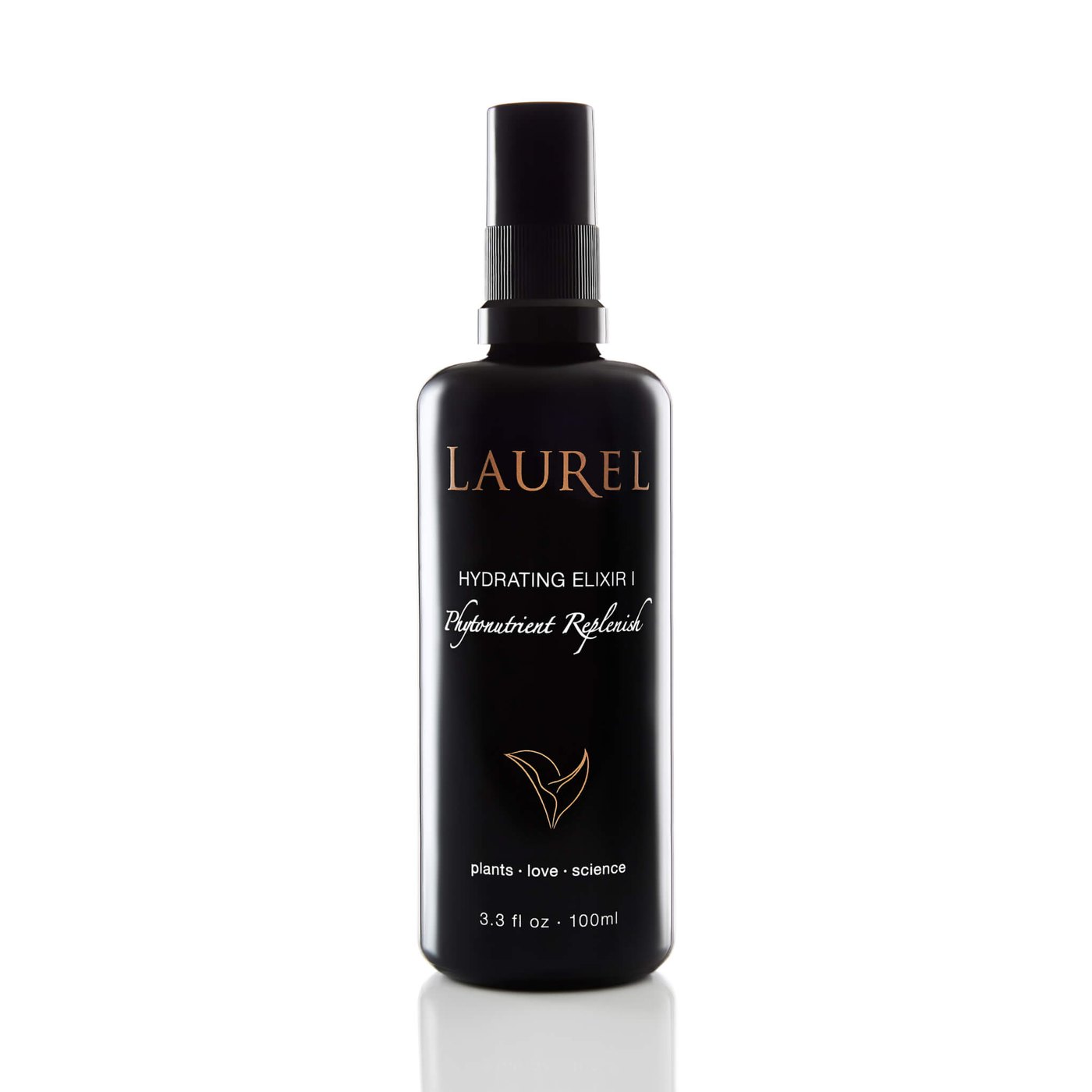
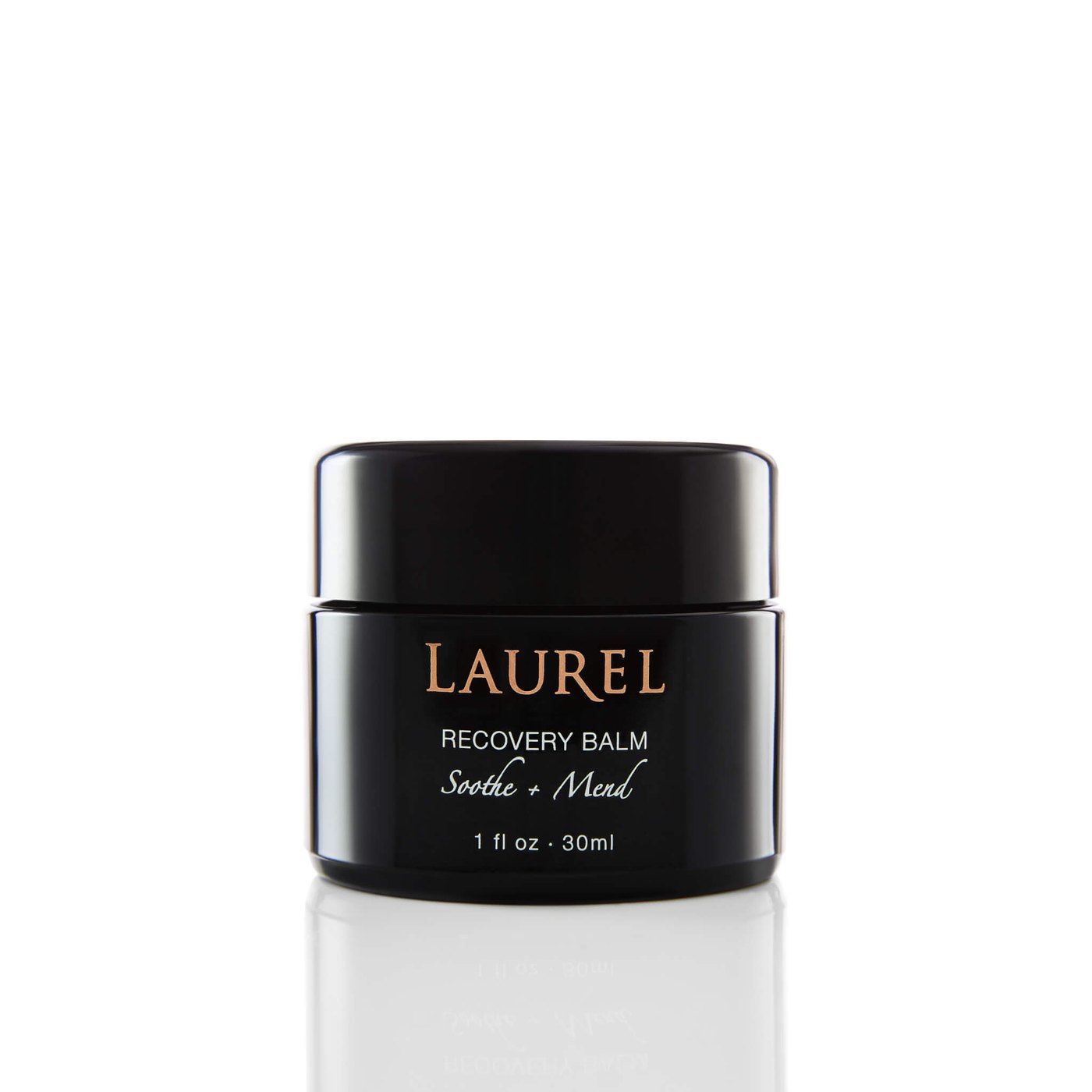
Whole Plant Botanical Extracts, infused for months at the Barn from nearby harvests. The core of the range, composed with unrefined carriers such as jojoba for steadiness and absorption and rosehip for its varied nutrient character. Soften between hands, press over damp skin day and evening, then rest.

Laura Reyes
Laura runs the news desk and the texture guides at Second Skin. She keeps a drawer of empty jars she could not bring herself to throw away, sorted by how good they felt to open.
More from Laura Reyes →