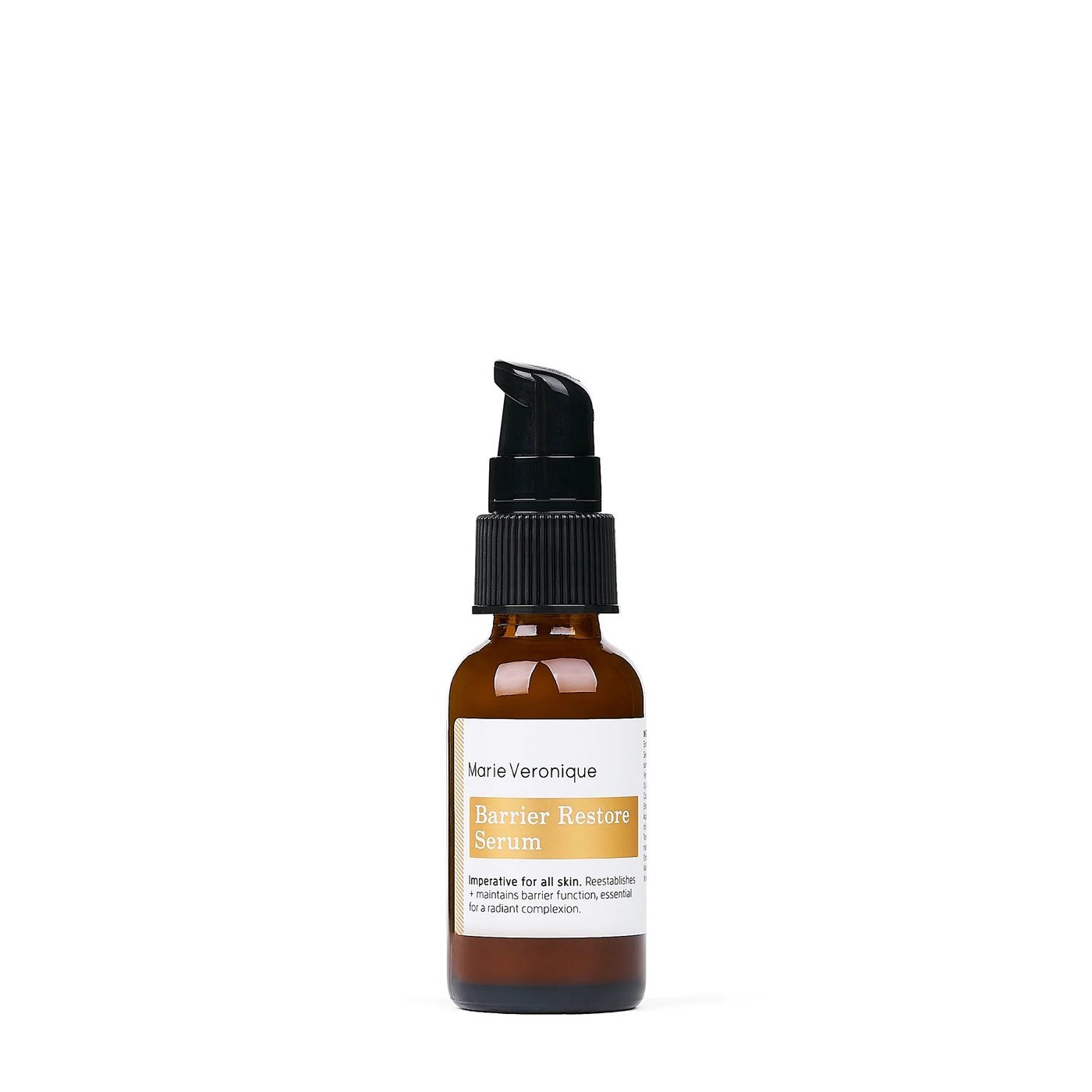
120 dollars buys the small frosted bottle that many sensitized clients mention first when they write to Marie Veronique.
The story often describes the same tactile shift, a tight and papery cheek that starts to feel cushioned without a thick cream on top, even when air turns cold and dry. In brand testing for Barrier Restore Serum, which was first mixed for fragile barriers, people described stronger comfort, less urge toward heavy moisturizer, and no sense of dryness in harsh weather. The claim stays modest. It reads as ease you can touch.
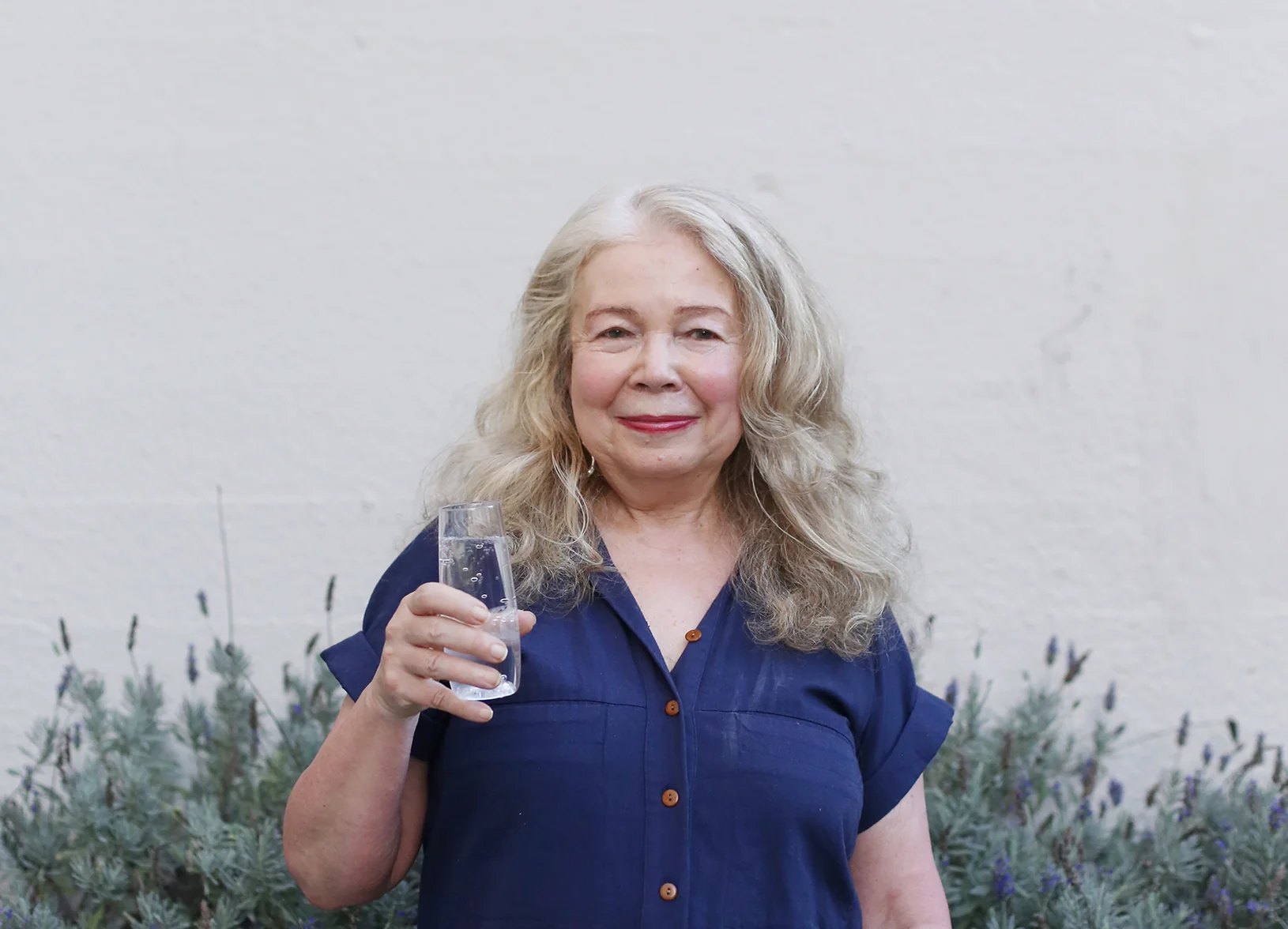
Marie-Veronique Nadeau founded the line in Berkeley in 2002 because her own skin asked for it. Adolescent breakouts gave way to rosacea, and drugstore shelves offered little that calmed without sting. With training in mathematics and science, years teaching high school chemistry, and later work as an esthetician, she started blending her own formulas. Her studio became known for non-nano zinc protection made early, for formulas mindful of the microbiome, and for a steady refusal to follow label trends.
Read the interviews beside the ingredient panels and a tactile logic appears. Polyphenols from green tea, slip from jojoba, bakuchiol from babchi, fisetin from fruit, and oils rich in carotenoids sit near ceramide NP, urea, niacinamide, and retinol kept in capsules. She calls the method biomimetic, rendered in her language as imitating nature in all things, and she judges garden extracts and lab built molecules by one measure of safety and use. Tell the truth, the house rule, seems plain until a batch will not spread right and must be redone.
You call the approach biomimetic, meaning you copy nature in everything you touch. What does that feel like at the bench when plants meet your hands?
We begin by watching how skin behaves when left supported. Skin acts as a lively and knowing system. It can look after itself when its moisture seal holds and its microbial balance stays steady. My role is to guard what matters instead of driving skin toward later trouble.
With botanicals, the inquiry stays practical. We ask what a substance accomplishes for the plant and whether that action has relevance for a face. Polyphenols in green tea have been studied for antioxidant support. Esters from jojoba mirror aspects of skin lipids and glide without weight. Bakuchiol gives a garden derived path for people who want the look of more even tone while avoiding standard retinoids. Study comes before stirring, so to speak. Research is 90 percent of the work behind each texture. The other 10 percent is plenty of mixing and refining in the lab. Then we check spread, steadiness in the jar, and ease on easily flushed faces.
You were among the first to formulate a nonnano zinc oxide sunscreen, and Sheer Tint Zinc SPF 30 is described as a modern evolution of your Everyday Coverage Tinted Sunscreen. What did the plant oils teach you about wearing minerals each day?
Honest coverage from zinc only succeeds if touch invites daily use. Early versions with non-nano zinc could drag, look ashy, and sit pale. The carrier proved as central as the filter. Oils holding carotenoids and needed fatty acids let mineral pigment move, lessen whiteness, and settle to a finish that people keep wearing.
Protective Day Oil grew from that finding. It gives daytime hydration, and carotenoids filter UVA and provide additional protection when layered under SPF. Sheer Tint Zinc SPF 30 extends the concept in three translucent shades. Aging is inevitable. Premature aging is preventable. Use sunscreen. The phrasing stays direct because repeated wear is what supports an even appearance across years. A greenhouse rewards patience. Sunscreen does too. You never gather in the season you sow.
I started with my own teenage breakouts and later rosacea, and I have said topicals that truly helped those concerns simply did not exist. What did that gap teach you about formulating for reactive skin?
Humility came first. A personal flare trains attention in another register. You register sting on contact, tightness near midday, a brief calm that flips by evening. My schooling covered math and science, then classroom chemistry, then esthetics, so I could parse an INCI list and observe a cheek at once. The pairing never left me.
Our product line was born from our wish to handle the hardest skin issues well. Pimples and rosacea extend past simple dryness. They touch on seal, microbes, and flare. I got into chemistry when I went to the university and discovered I loved it, and that affection turned useful. I wanted safe to wear products that also improved how skin looked or gave needed function. A blend that missed either aim was dropped.
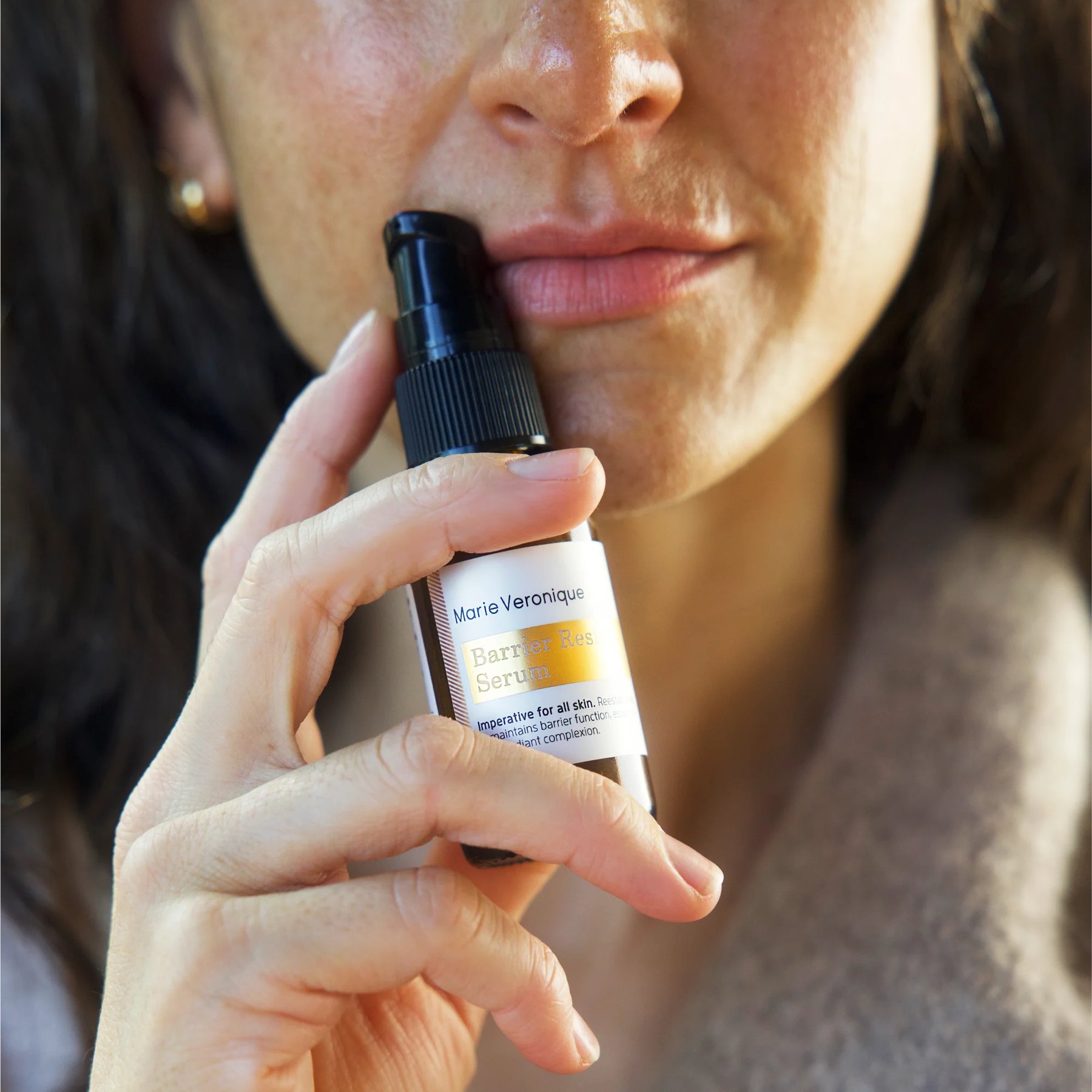
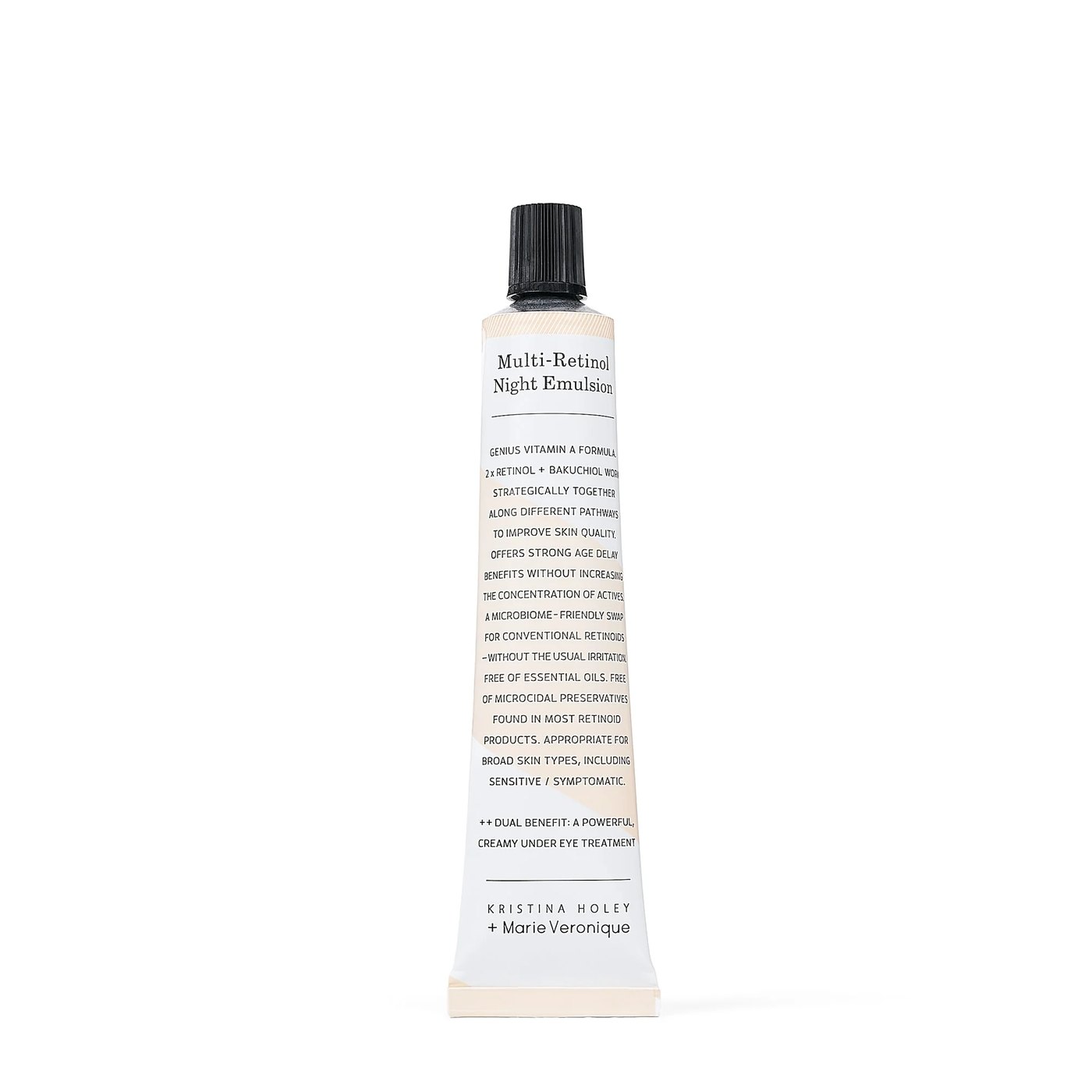
My Multi Retinol Night Emulsion blends encapsulated retinol with retinyl sunflowerseedate and bakuchiol, and it feels like a microbiome friendly option beside conventional retinoids. Why that trio, and whose evening ritual is it made for?
For every woman over 30, I reach for retinol, unless she is pregnant or breastfeeding. That continues as my broad guidance, balanced in daylight with vitamin C plus zinc oxide sunscreen. Yet standard retinoids may roughen tender faces. We sought visible refinement without the usual cycle of flake and regret.
A capsule slows delivery so retinol arrives in skin in a steadier manner. Retinyl sunflowerseedate joins a retinoid to fatty acids from sunflower, which fits our lipid kind base. Bakuchiol, sourced from the babchi plant, is added for botanical support for the look of firmness and evenness. Combined they form an evening milk that supports smoother looking texture while staying considerate of seal and microbes. Begin gently, several evenings weekly, then raise cadence as ease permits. I save night for collagen and I save day for antioxidants. Such rhythm respects skin biology.
I describe the brand philosophy as tell the truth, and I have called the word organic virtually meaningless after years of marketing use. How do you define clean when an ingredient touches your fingers?
Look past front label promises and learn your ingredients. My counsel on that point holds. The ways the word organic is bent to suit marketing campaigns has made the term virtually meaningless. A single term on packaging reveals almost nothing about amount, steadiness, or conduct on live skin.
Our version of clean rests on ingredients with a history for safety and efficacy, whether gathered or synthesized. Sound science should steer a formula whether it is botanical or lab made. We leave out fragrance and essential oils, keep many blends vegan, and mind the microbiome, yet function leads those calls. When a garden extract aids comfort and carries evidence, we keep it. When a lab built molecule performs with greater steadiness, we weigh it too.
Barrier Restore Serum was first made for clients with compromised barriers, and users reported enhanced comfort and less need for heavy moisturizers. How did you layer it from root to finish for the senses?
The structure started with lipids, then water retention, then ease. Ceramide NP upholds the lipid web that curbs water escape. Sodium PCA plus urea keep water held in the outer stratum. Sodium hyaluronate lends glide and surface drink. Then arrived the plant fraction. Jojoba oil and esters for skin compatibility, green tea extract for antioxidant support, resveratrol toward the same end, Lactobacillus for microbiome friendly positioning, and a touch of zinc oxide that nods to our sunscreen past.
Handling forms part of the design. Shake well. Smooth a thin layer after cleansing and misting, then oil. I use it up within six months of opening. Such pacing counts because a weakened seal needs regularity rather than volume. When wearers mention ease in severe weather, I take it as proof the layering stayed intact. The serum supports the look of smooth, even skin while the barrier does its quiet work below.
I find research is 90 percent of the work. The other 10 percent is plenty of creating and revising in the lab.
Marie-Veronique Nadeau
You have said the most common mistakes are overcleansing and overexfoliation. Why did you shape cleansing and misting as barrier care rather than a fresh start?
Probably over-cleansing and over-exfoliation are what bring many clients to us in the first place. Harsh washing meant to quiet spots often invites further flush. Skin really does know how to care for itself if we stop stripping it.
Our oil cleanser lets oils help loosen congestion within the follicle while low suds surfactants lift away without a taut aftermath. Balancing HypoTonic comes next as another method for hydrating, balancing the liquid layer on skin before serum and oil. Rescue Tonic and the Pre and Probiotic Daily Mist were created to support microbial diversity, including for skin that shows eczema or dermatitis type dryness. The sequence stays unhurried by design. Light cleanse, mist, sparse treatment, seal. Roots hold soil. Barrier holds water. The same logic applies.
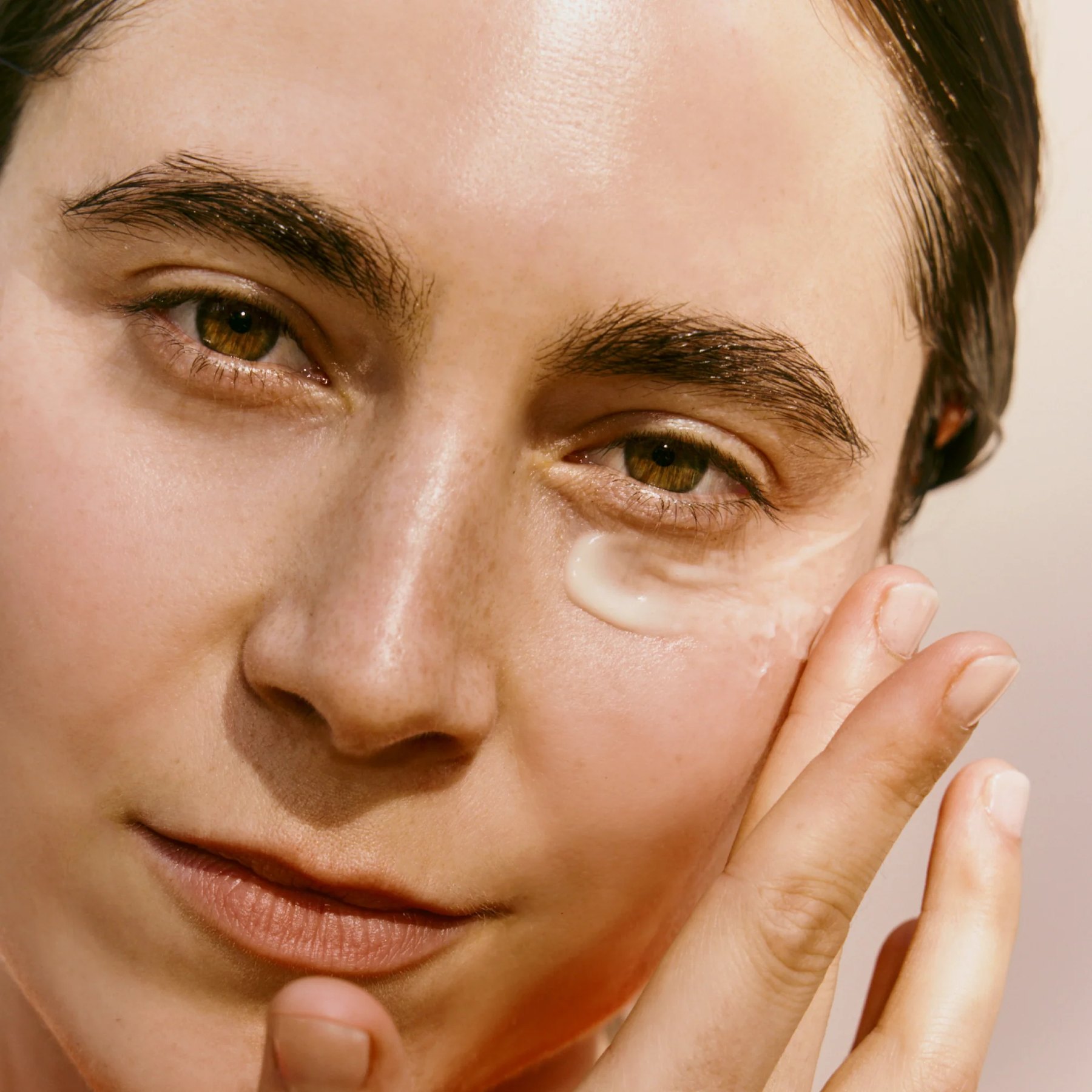
The new Senolytic Balm and Senolytic Serum focus on fisetin, a flavonoid described as helping soften aged stressed cells. Why gather from that corner of botany now?
Over time certain cells halt division yet remain. They stay and release messages that can shape the look of nearby tissue. Fisetin, present in strawberries, apples and other plants, is studied as a senolytic compound, meaning it is of interest for its role around these senescent cells. We wondered if topical placement inside a lipid full balm might support the look of bounce and resilience.
The balm stays dense and lipid based to deliver intensive nourishment that supports cellular longevity language we use carefully, skin structure, and barrier health. The serum acts in a narrower way. We formulate, develop and test in our own lab under Good Lab Practices and manufacture under GMP, in small batches in Berkeley. Such control allows us to manage a flavonoid that demands attention to stability and hand feel. The research remains early, and we present it as support for the appearance of skin, not a reversal of age.
I work in house in Berkeley, I formulate under Good Lab Practices and manufacture under GMP, with my daughter Jay Nadeau and Kristina Holey on the research and skin health team. The Solano Avenue shop is listed as closed. How has that shaped the feel of the practice?
Keeping production inside keeps touch near the blend from first beaker to capped bottle. We produce in small batches so we can revise often. Kristina Holey, our Director of Skin Health since 2021, helped shape a trio of serums and now leads consultations through our Skin Health Concierge. My daughter Jay, a physicist and biomedical engineer, helps shape ingredient selection. Three generations of questions at one bench, you could say.
The shop at 1820 Solano Ave is listed as closed in a recent directory, which we have not independently confirmed for print, and attention stays on the lab and online care. Notes arrive about dryness, breakouts, redness. We review them unhurriedly. Then we tune sequence, portion, cadence. Healthy skin is not won by doing more, it is won by keeping what is essential. That line on our site steers consults as fully as blends. Less, but exact.
Closing note from the desk
What lingers is touch married to method. Consider an ingredient, follow it to origin and purpose, feel it on reactive cheeks, revise it in a compact Berkeley room. Nadeau reasons as a skeptic and tends formulas like plantings, keeping what soothes and removing what rasps.
Marie Veronique began by making topicals that worked for acne, rosacea and sensitized barriers when no clean and effective option existed. After more than twenty years the measure stays tactile, notes of comfort from clients and blends that guard rather than goad. That is a slow yield, best handled with care.
Product spotlight
Barrier Restore Serum, 120 dollars for 1 oz or 30 ml, suits a weakened barrier that feels papery or looks patchy. Ceramide NP with urea, sodium PCA, jojoba, green tea and Lactobacillus supports water retention and the look of calm. Shake well, smooth a sheer film over cleansed and misted skin morning and evening, then add oil. Use within six months of opening.
Multi-Retinol Night Emulsion, 135 dollars for 1 oz or 30 ml, serves as the evening move for lined or uneven looking skin seeking retinoid style refinement with milder feel. Encapsulated retinol plus retinyl sunflowerseedate plus bakuchiol supports smoother looking texture and tone. Smooth on a pea sized veil at night several times weekly, then raise frequency as comfort allows.

Melissa Whitaker
Melissa produces the interviews at Second Skin: the research, the question lists, the follow-ups. She asks every founder how a formula should feel at nine at night, then asks why it took eleven samples to get there.
More from Melissa Whitaker →