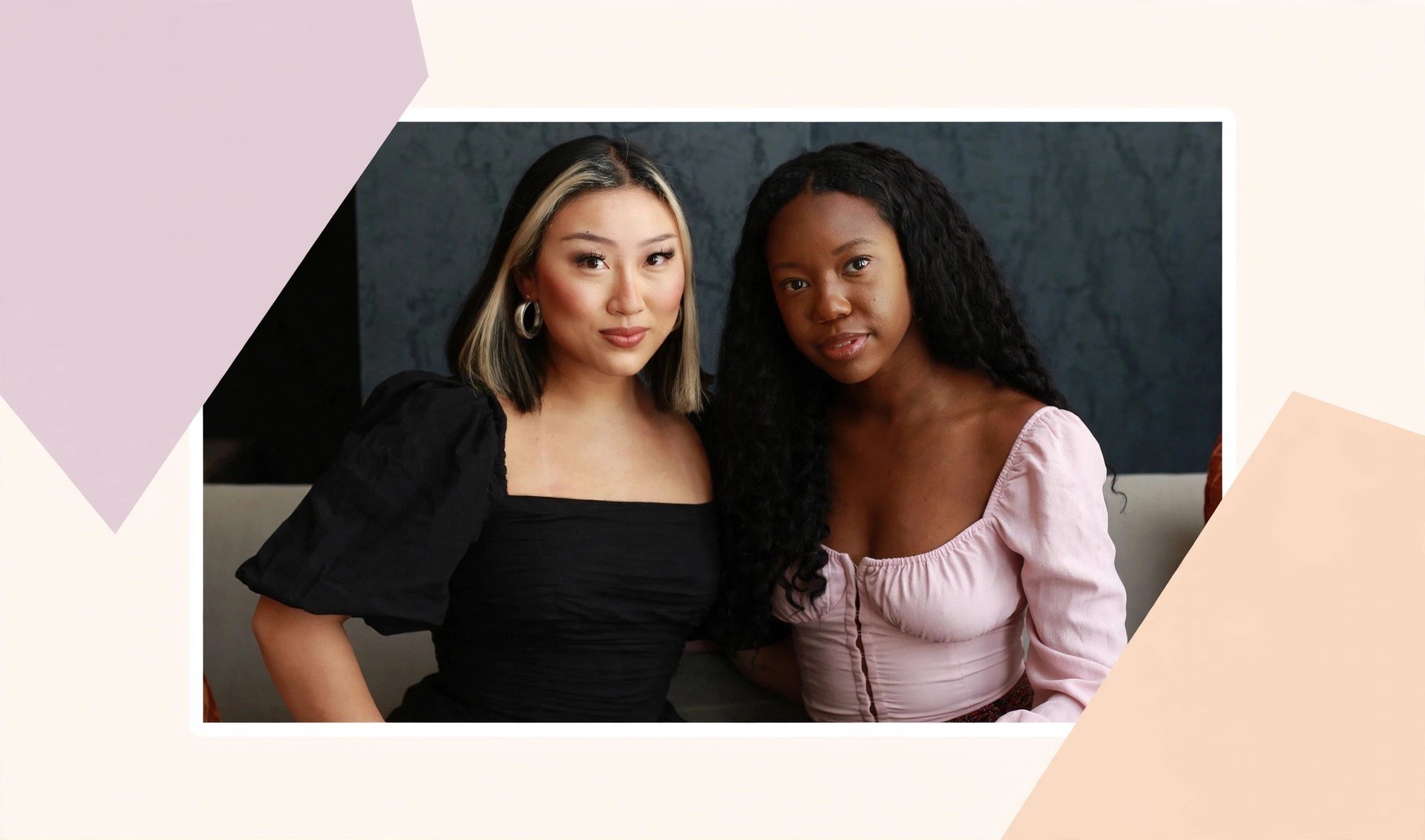
Touch first, then treatment. That is how Second Skin reads Topicals. Olamide Olowe and Claudia Teng make a small fragrance free line that sets licorice root and colloidal oatmeal beside niacinamide and azelaic acid. We talk feel, vessels and daily rhythm.
Chronic care is supposed to look plain. Topicals refuses that rule. The brand arrived online in August 2020, plus in chosen Nordstrom doors, with two aluminum tubes that felt serious in the palm and looked bright on the shelf. Olamide Olowe had written to a retail consultant found on LinkedIn to open that first account. The tubes kept selling through.
Olowe and Claudia Teng met via a shared friend while studying premed with an eye on dermatology. Teng managed eczema. Olowe managed hyperpigmentation, pseudofolliculitis and inflammation. Teng had assisted with clinical dermatology research. Olowe had created SheaGirl with SheaMoisture during college. School showed them how skin acts. Living inside reactive skin showed them how mornings feel.
The line is now described as care for flare ups. The claim is effective multitasking support for ongoing concerns in all shades, tested beginning with the deepest tones. The collection remains compact, vegan and cruelty free, without fragrance, housed in aluminum. Second Skin notices the sensory thinking under the color. Licorice root and colloidal oatmeal sit beside lab made actives, picked because easily unsettled skin wants softness with visible clarity.
You debuted in August 2020 with Like Butter and Faded, online and in select Nordstrom stores after a cold LinkedIn message. Why those two textures first?
We hoped to state our idea through two tactile gestures. Like Butter arrived as the mask that calms and seals in moisture, the jar you want when skin feels taut and jumpy. Faded arrived as the gel for dark spots and patchy tone, the tube that supports the look of brightness after flare ups fade.
We held the debut twice, first for pandemic supply chain snags and then in support of Black Lives Matter. Timing counts. Once we did launch, the reply showed we had sensed the need. Product sold through in hours. At Nordstrom it sold through repeatedly. I recall feeling deeply self conscious pulling medicinal looking tubes from my bag in school. We wanted support that performs and that you can carry openly. Aluminum tubes, loose type, considered formulas. That tension was deliberate.
You recall meeting through a mutual friend as premed students, both drawn to dermatology by your own skin. What did those beginning days teach you that still lives inside the textures?
Our core question remains how we help shift how people feel inside skin. That line has guided us from the start. Claudia managed eczema. I managed hyperpigmentation and pseudofolliculitis and inflammation. Strangers ask if your rash spreads by touch. That question lingers.
We chose premed to find answers. Claudia had assisted with clinical dermatology research. I had created SheaGirl in college. What stuck is that ongoing skin wants steadiness, not a fresh shelf every week. So we blend for flare ups, not flawless days. We leave fragrance out because we serve sensitive skin. We set licorice root and colloidal oatmeal beside niacinamide and azelaic acid because ease and visible correction must share one tube. You help tone look better, and you also help the daily wear feel quieter.
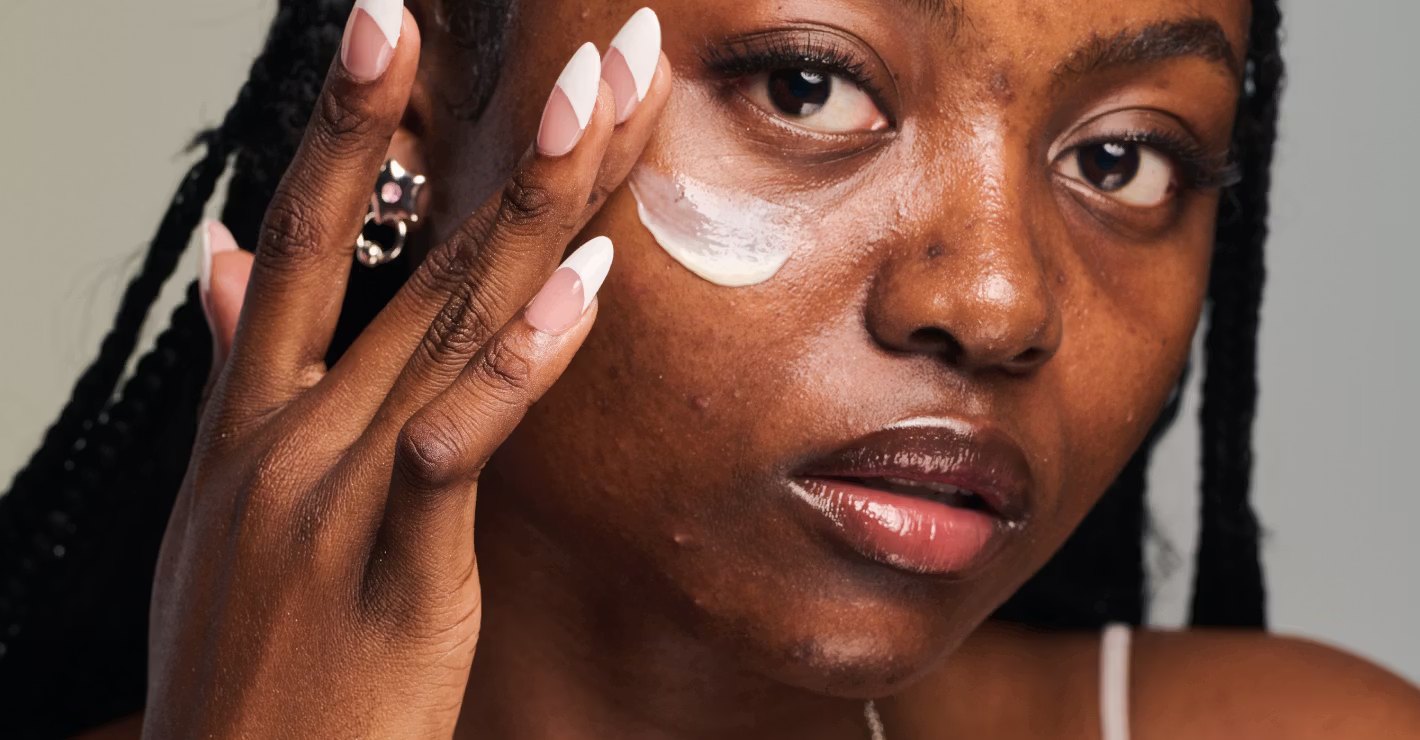
Colloidal oatmeal and licorice root sit beside potent actives inside your formulas. Why keep those botanicals when synthetics alone could support the formula?
Because unsettled skin steadies with plants. Colloidal oatmeal lays a soft protective film that helps moisture and a calm appearance. Licorice root helps tone look more even. They allow effective doses of synthetics while the routine still feels gentle.
We start testing on the deepest skin tones. That order alters all choices. As a narrow business call, it may not have looked wisest on paper. Yet when a blend suits skin that marks readily and shows post inflammatory color clearly, it tends to suit a wider group. Our view stays simple. We prefer to formulate from 6 to 1 on the Fitzpatrick scale rather than add deeper tones later. Botanicals help us keep that sequence. They lend cushion and recognition to strong care.
Faded has grown into your bestseller and a Sephora favorite. What does it really do, and how do you invite people to ease into it?
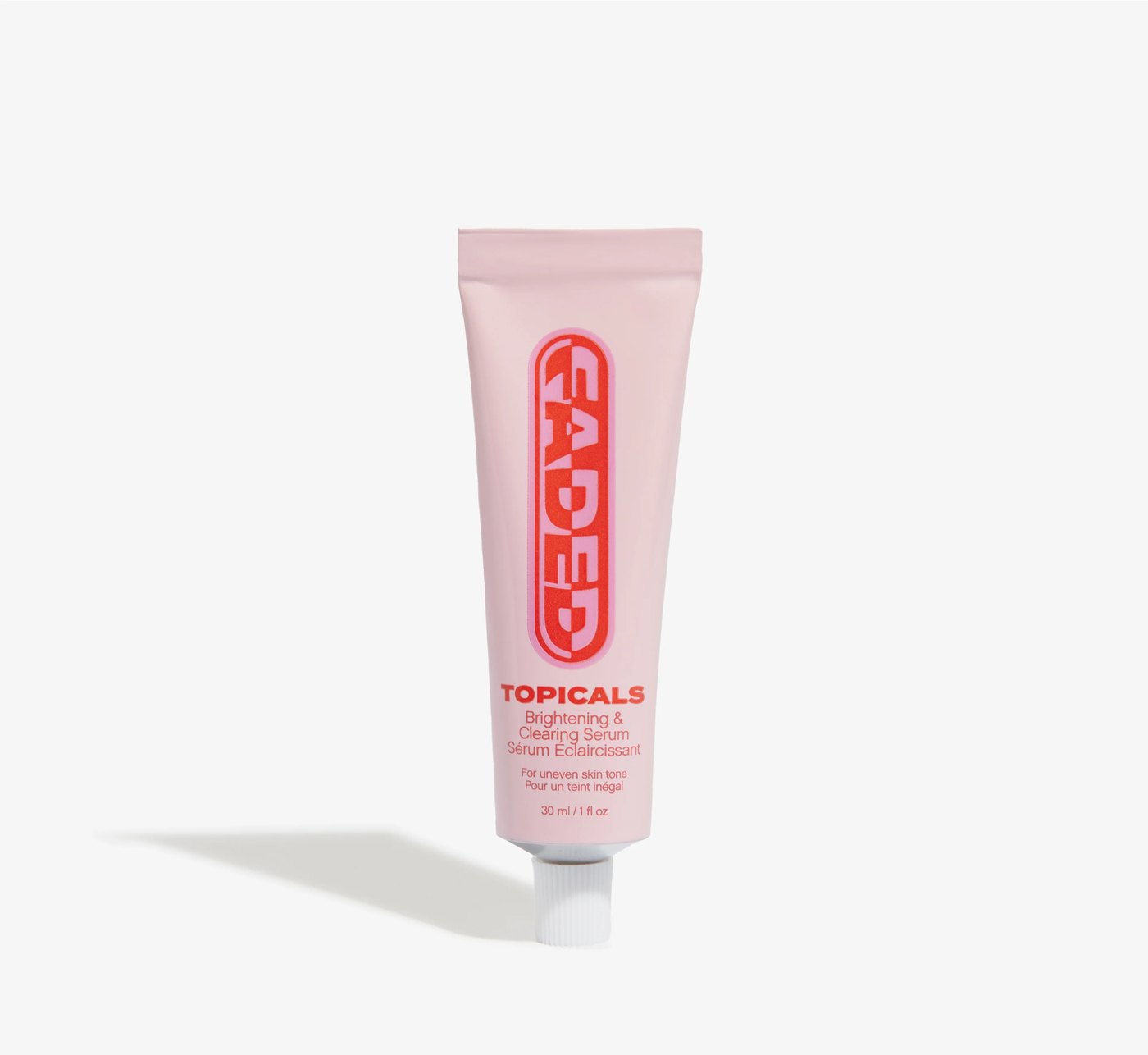
Faded is our silky brightening serum for dark spots and uneven tone. You smooth it on as the serum step, only where marks and mottled tone show. It was the first formula we ever put out. It remains the one that prompts letters.
We prefer to fold several hero ingredients into one dense formula rather than offer ten serums for a single concern. Faded joins niacinamide and azelaic acid with licorice root and other botanicals that support even looking tone. Licorice root is a plant I keep revisiting. It carries a long record in traditional care for the appearance of discoloration, and here it rests beside clinical actives so the serum can clarify while still suiting sensitive skin. Smooth a sheer film, once daily at the start, then as skin allows. Let it settle. Morning sunscreen helps guard the progress.
You remain a fragrance free brand as a rule. What does skipping scent return to reactive skin and to the plants you keep?
We hold fragrance free as policy because we serve sensitive skin. That single fact explains it. During a flare, scent brings risk with no gain. It may irritate and it may hide what skin is signaling.
Its absence lets true ingredients register. You notice almost no smell, by design. Then across weeks you can track what licorice root and oatmeal and azelaic acid appear to do. Red looking areas seem softer. Texture appears smoother. Tone appears more even. We prefer to make flare ups lighter rather than make skin feel clinical, and for us lightness lives in color and voice and community, not perfume. The blend stays hushed so skin can rest. For shoppers who link botanical with strong essential oil odor, ours offers another version of plant led. It centers on function, not perfume.
We make for flare ups, not for perfect days.
Olamide Olowe and Claudia Teng
You say you have launched only two to three products a year, about 15 in five years. How does that restraint shape how you gather new ideas?
We have kept launches to two to three formulas yearly across five years, so the total sits near 15 products, which counts as a very compact shelf for a skincare label in particular. We only build where we sense true need.
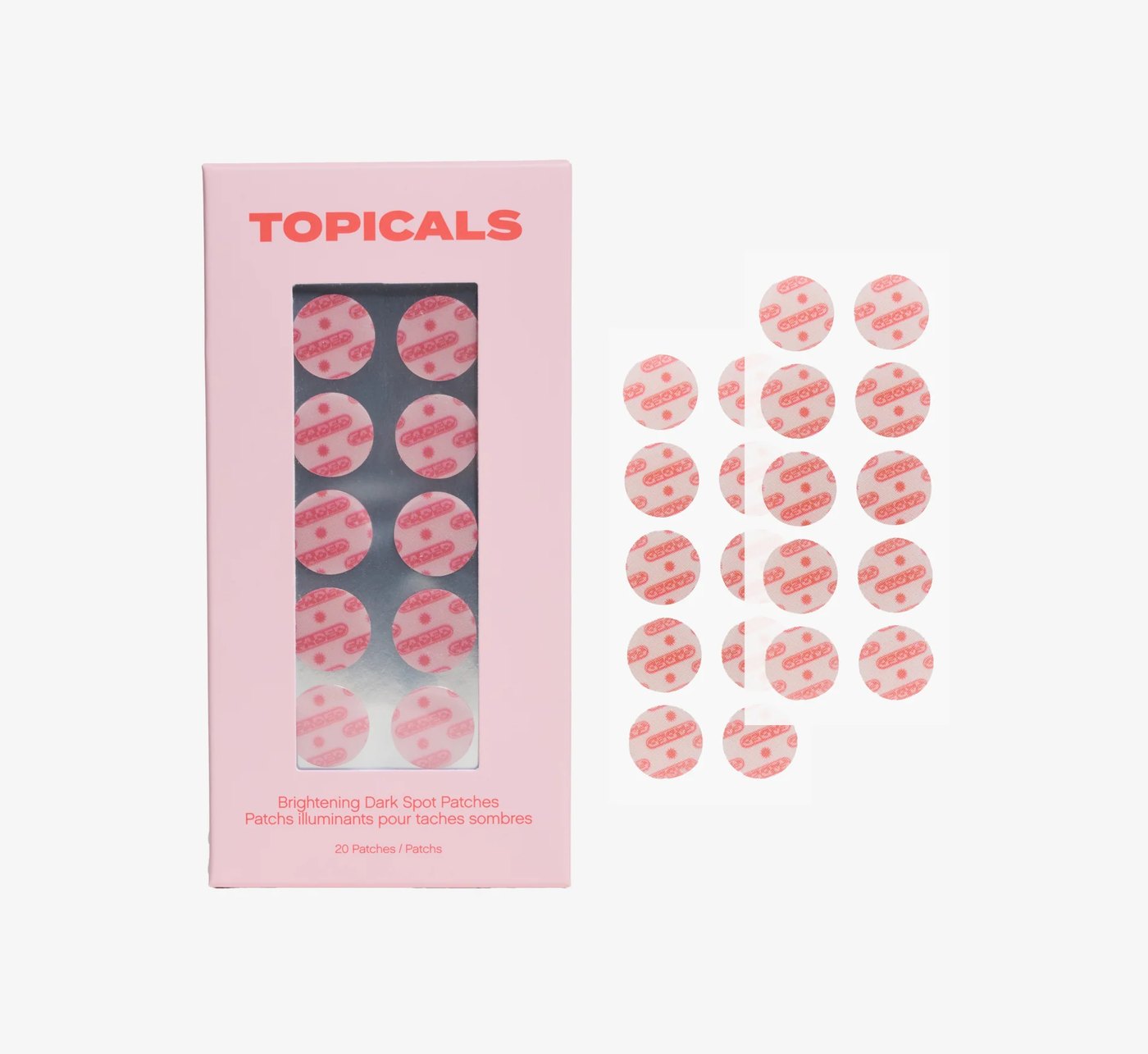
That limit allows study of one plant or one concern at a time. We avoid overlap. We ask where hand feel or fit could improve. Faded Dark Spot Patches grew from that prompt. A patch with tranexamic acid that rests on a post breakout mark for six hours. It helps soften the appearance of one fixed spot while you sleep or work. The peel pads grew from the same notes. Clinical strength exfoliation that smooths the look of texture in a single swipe. Each new piece must earn its place. When it fails to lift comfort or clarity for ongoing skin, we skip it.
Your wording feels playful with lines like Funner Flare Ups and Why so serious. How do you keep that voice from covering the serious work of formulating for eczema, acne and ingrowns?
Humor gives room to breathe. Ongoing skin weighs on a day. When each tube reads medicinal, your own bath shelf can make you feel like a case file. We wanted people centered dermatology, with color and wit.
The lightness floats above firm rules. No fragrance. Vegan and cruelty free. Deepest tones tested first. Multitasking so one concern never demands a ten step stack. We turn down redundant products with no improved experience. We turn down blends tuned only for lighter tones. Funner Flare Ups means you can wear a spot patch or a serum and still recognize yourself. Ritual carries weight. Cleanse skin, touch serum to the mark, moisturize, then protect. Same sequence, same hour, unhurried hands. Plants set cadence. Oat to soften, licorice to support brighter looking tone, azelaic and niacinamide for clarity. Rigorous science, easy hand.

You pitched for two years to raise your first round, with support from Issa Rae, Yvonne Orji and Bozoma Saint John. What did that slow raise plant inside you?
As a Black woman, I felt proud to reach a point where our company drew strong interest. The road took time. We pitched for two full years before closing 2.6 million dollars. The brand raised 2.7 million and sold out within hours of launch.
Our parents feared the start up route carried risk, yet we told them the work of building Topicals would strengthen any later med school essay. That memory still makes me smile. We stepped away from medicine but retained its method. Test, observe, record. Retail stays very difficult because costs run high. So we stayed lean. Few blends, plain claims, active community. You do not have to be everything to everyone, but you must be everything to one. Our one is Gen Z with ongoing concerns across all tones, especially deeper tones left aside too long.
You moved from a founder run brand to a small holding company with the Bread Beauty Supply acquisition. What stays grounded as the team grows past 40 people?
The customer remains. The compact shelf remains. The testing order stays the same, deepest tones first. Sochi Mbadugha as president and Julia Shao as creative director help carry both care and voice as we scale.
Revenues grew threefold in 2021, and we sold one product every minute in 2022. In 2022 we closed our Series A, and at 26 I became the youngest Black woman to raise past 10 million, with total funding near 20 million. Scale can tempt a brand toward endless variety. We return to known ground. Ongoing concerns. Fewer, stronger formulas. Aluminum that feels pleasant in hand. Teaching that honors ingredient lists. For Topicals or Bread within Cost Of Doing Business, the standard holds. Only build where experience can improve.
If someone is new to Topicals and studies ingredient lists closely, where should they begin and what should they expect in the first month?
Begin with Faded. When scattered dark spots and uneven tone lead the list, the serum gives the clearest start. When a single mark stays after a breakout, begin with the patch worn for six hours.
Plan for slowness. Week one centers on comfort. No sting, no strong odor, makeup layers as usual. Around weeks two to four, skin commonly appears calmer and more even, with smoother looking texture where gentle exfoliation is used. Photograph in matched light each week. Keep the set short so each step stays legible. If eczema or high reactivity shapes your skin, patch test and add one active at a time. Plants work steadily here, not instantly. Roots settle before shoots show.
Closing note from the desk
What lingers is the hand logic. Deepest tones first, ease before visible clarity, few vessels kept in rotation. Olowe and Teng sound like former premed students who held onto careful charting and set aside stiff white coat formality. The color is honest, and it never masks the method.
Topicals wants flare ups to feel less solitary and routines to stay brief. Licorice root and colloidal oatmeal beside niacinamide, azelaic acid and tranexamic acid, fragrance free and vegan, in aluminum tubes, forms its direct reply to ongoing skin. It absorbs at its own pace and performs steadily, which suits Second Skin well.
Product spotlight
Faded Brightening plus Clearing Serum, priced at 9 dollars. A serum step for dark spots and uneven tone that joins licorice root and other botanicals with niacinamide and azelaic acid. Smooth a thin film over areas of concern as directed, then moisturize. Morning sunscreen helps protect the look of progress.
Faded Dark Spot Patches for 22 dollars. A focused patch with tranexamic acid for the appearance of post breakout marks and hyperpigmentation. Place on a single mark and keep on for 6 hours, then remove and follow routine. Works best inside a short, steady regimen.

Laura Reyes
Laura runs the news desk and the texture guides at Second Skin. She keeps a drawer of empty jars she could not bring herself to throw away, sorted by how good they felt to open.
More from Laura Reyes →