
Her afternoons ended with a tray of ointments that stung more than they soothed, so a Seattle laser surgeon started mixing her own answer by hand. Castor for weight and cover, aloe for watery slip, glycerin for hold, squalane for a soft finish, all kept free of scent and common irritants.
In 2015 Dr. Heather D. Rogers set aside petroleum staples in her clinic. She gave patients Restore Healing Balm, an ointment of castor oil and glycerin she had made for fragile post procedure skin.
Rogers works full time as a double board certified dermatologist and dermatologic surgeon at Modern Dermatology in Seattle, a practice she helped start. She wears the reluctant founder label lightly. Patient care came first in her telling, and a product line was never the plan.
The treatment room changed that. She would refine a scar with a laser, then watch recovery stall under the aftercare on top. Lanolin brought reactions, petroleum felt unwanted, botanical balms carried essential oils that made fresh scars throb right when skin needed quiet.
Reading her interviews closely, the sensory logic stands out inside the clinical rules. Rogers keeps plants only when studies back them. Castor for cover and glide, glycerin and aloe for water, squalane and niacinamide for calm support. A short set, chosen well, used in a spare morning to night rhythm that leaves the barrier alone.
You describe washing as the first texture test. Cetaphil felt like spit to you, it left mascara and sunscreen behind and it contained parabens. Your response was aloe and glycerin in a soft gel. What did you want rinsing to feel like for dry or aging faces.
Thanks for noticing that detail. That sense has guided me from the start. I chose dermatology because you can look, act, and see skin answer. It is hands on work. You know quite soon whether you helped. I bring that same plain feedback into texture.
Patient care has always come first for me. A skincare line was never the plan. I began because I needed something dependable after procedures. We would refine an injury with lasers to leave it neater and then what went on top would set us back. People had paid thousands, then reacted to standard ointments. That felt wrong.
So I seek ingredients with clinical data for efficacy and low risk of irritation. I want people to reach their best skin without asking skin to handle more than it can carry. Our skin is not built to take seven layers and 250 ingredients twice daily. I prefer a tighter group of solid products that do even work, then observe, adjust, and keep the rhythm calm.
You often say skin with age feels like it needs more while it tolerates less. That line now frames your work for sensitive, aging and post procedure faces. How does it shape the touch and use of squalane and niacinamide in your main cream.
That line came from the exam chair. People in their forties, fifties and sixties told me their faces felt drier, thinner, slower to settle. They asked for richer care. Yet the same faces reddened, burned, or broke out with richer textures. With age, skin feels like it needs more while it tolerates less.
So the Squalane plus Niacinamide Barrier Support Face Cream answers that bind. Squalane is a stable oil close to skin that softens without weight. It cushions the barrier and softens the visible look of water loss. Niacinamide calms the look of irritation while it supports barrier function and helps refine the appearance of uneven tone and enlarged pores. Paired they hydrate and keep quiet.
I place it day or night as a daily moisturizer after an antioxidant serum and before sunscreen. For skin that asks for more yet holds less, sequence counts. Offer water and treatment first, then close softly. No scent, no essential oils, no dimethicone heavy coat that only rests on skin. Only even support that lets barrier lipids do their job.
In 2015 you brought out Restore Healing Balm after Aquaphor and scented natural balms disappointed. An office in New York later put it on one cheek after laser, Aquaphor on the other, and saw Restore perform much better. What did that split face morning show you about plants and recovery.
It showed me that plain can beat familiar. Then the options were narrow. Petroleum based Aquaphor, which many patients disliked and which holds lanolin that can irritate, or botanical balms with essential oils that troubled scars. Neither suited new, tender skin.
I built Restore Healing Balm from castor oil and glycerin without petroleum or lanolin. Castor brings cover, a steady seal that keeps the wound setting stable. Glycerin pulls and keeps water. I often say Vaseline offers cover, while my Healing Balm offers cover, water, and food. Skin knows when it gets good material, much as we feel steadier on a healthy, balanced diet.
That split face test mattered because it happened away from my rooms and my hands. A New York office spread Aquaphor on one side and Restore on the other after laser, and Restore performed much better. For a clinician, that side by side view lingers. It affirmed that a plant oil, picked with care and kept free of scent and common allergens, could aid recovery in a modern clinic.
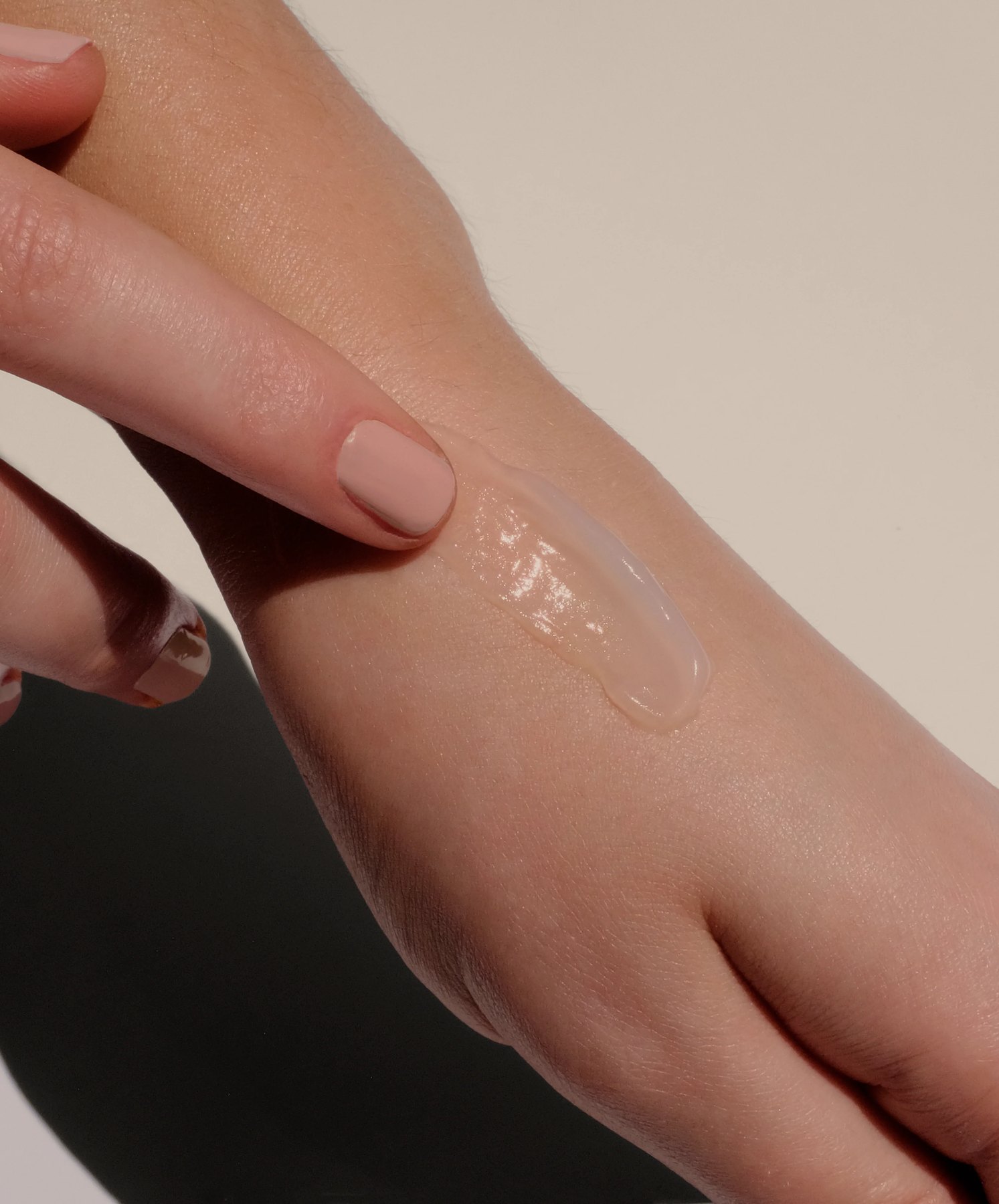
Vitamin C serums guard in a different way than sunscreen, though strong versions can sting reactive faces. Your Day Preventive Treatment took an Allure Best Clean Skincare award in 2026. How do you layer antioxidants with sunscreen for people who flush.
I keep them as partners, not swaps. Sunscreen helps deflect and absorb rays. An antioxidant serum helps improve the look of free radical damage from sun and pollution in a different way through the day. For people who flush, the strength and the base count more than claims.
On sensitive skin I begin low, hold the base plain, and observe. Smooth a slim film after morning cleansing, then cream, then sunscreen. If prickle lingers, pause and pare back. Skin that asks for more yet holds less usually prefers a gentle daily amount to a potent formula used on and off.
That is also why I leave scent and essential oils out of these stay on layers. When skin runs reactive, each added aroma chemical adds labor. A settled base lets the antioxidant act without asking the barrier to handle sting at the same time.
Your rulebook stays tight. Only ingredients permitted in the EU and Asia, vegan and biodegradable, without scent, essential oils, lanolin, parabens and phthalates, aligned with the Credo Clean Standard. Why rebuild from zero instead of accepting a formula that nearly passes.
Because nearly is where flare starts. I prefer to err on the side of caution over using hormone disruptors, carcinogens or uncertain additives. I prefer to rebuild from zero over softening on ingredients. If a texture needs added scent to please, or a common allergen to feel plush, it is the wrong texture for my patients.
I also turn down sponsored ads or paid endorsements, which leaves the formula to stand alone. This feels less like a business and more like a calling. That sounds weighty, yet it reflects years with eczema prone and post procedure skin. You come to value low irritation risk as highly as efficacy.
Meeting standards for the EU and Asia, holding vegan and biodegradable, skipping lanolin and essential oils, all this shrinks the pool. It also sharpens it. The plants that stay, such as castor and aloe, remain because data and tolerance support them, not because they sound green.
I would rather offer fewer, better products that do quiet work as I watch, adjust and keep routines calm.
Dr. Heather D. Rogers
You came to skin as an organ that answered fast. Dermatology was the first field where you felt you could fix something quickly. How does that early sense of repair still guide your sense of touch.
That early lesson still leads. Watching a lesion clear after a precise treatment taught me to prize a texture that does not interfere. A fingertip test tells me plenty. Does it spread clean, sit without drag, sink without film. Healing skin notices drag and heat first.
So each formula must feel kind on first contact. The balm holds a dense cushion that melts to a seal. The cleanser keeps a watery glide that rinses clear. The cream leaves a supple finish that takes makeup or sunscreen without pilling. Feel is information here, not decoration.
If a sample tugs, pills, or leaves tack that begs rubbing, I revise. Repair needs low friction in every sense. The hand should move once, lay down moisture, and leave.
You argue for fewer, better steps over long layering, and you avoid dimethicone or mineral oil face creams that only rest on skin. For someone nursing eczema prone skin through winter, how should Restore plus cream plus cleanser be ordered as a ritual.
Hold it brief and repeat it. In winter I favor a night order that brings water, then locks it. Wash once to lift the day. On skin left faintly damp, smooth serum if you keep one. Then cream for barrier support. Then, where patches crack or sting, press a sheer veil of Restore Healing Balm over lips, eyes, fingers, or any sore area. Before bed suits well because skin rests and water loss climbs overnight.
In the morning, stay lighter. Splash, serum, cream, sunscreen. Restore can rest on lips or near nostrils where cold air bites. The balm is hypoallergenic and biodegradable, crafted without petroleum or lanolin, so it suits sore or injured spots without adding scent burden.
The aim is evenness. Fewer coats, laid with warm palms and a breath between each. Mending skin does not want novelty. It wants the same kind care, morning and night, till the barrier feels hushed again.
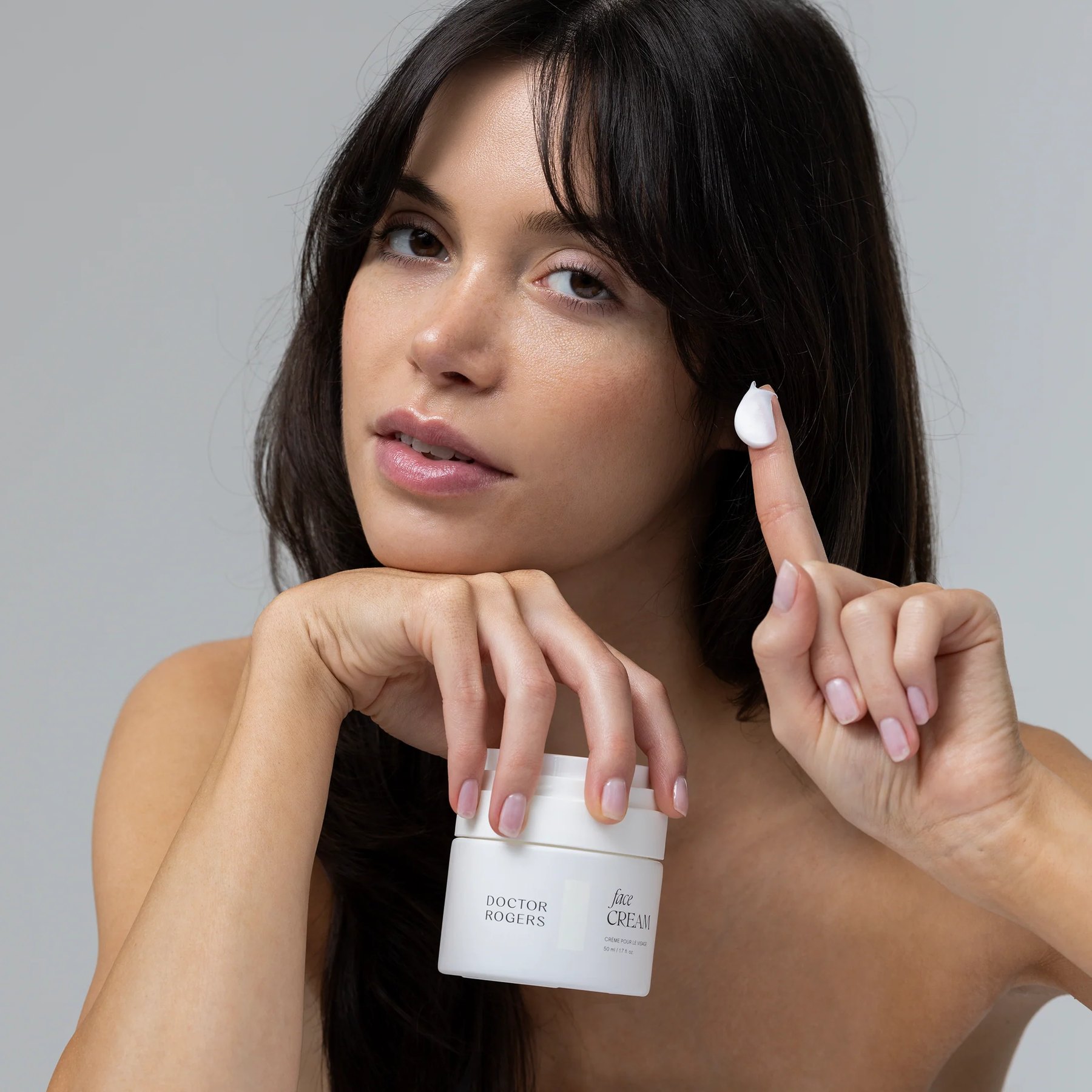
You still practice full time, you took Iron Surgeon Best Cosmetic Dermatologist in 2023, and the range sits at Nordstrom, Credo, Cos Bar, Revolve Beauty, Violet Grey, Amazon and medical practices. What keeps the assortment compact and plant centered while doors widen.
The clinic keeps it truthful. When you meet reactions each week, you remain cautious. Patients carry in sacks of jars and ask what stays. Most days the reply is keep less. That restraint sets the shelf. Healing balm for mending, gentle cleanser for clearing without stripping, barrier cream for daily hold, focused serums for day and night. Each has to justify its slot.
Staying plant centered, to me, means cut with care. Castor oil for cushioned cover. Aloe and glycerin for water. Squalane for lipid comfort. I enjoy roots and fields like anyone, yet a plant extract matters for what it contributes in the jar, how it glides, how it closes, how skin looks across two weeks, not for how it photographs.
Placement lets people locate a sure thing, whether inside a medical office or at Credo or Nordstrom. Expansion is fine if the rules hold. No scent, no essential oils, no lanolin, no parabens or phthalates, vegan and biodegradable where possible. If a concept cannot grow in that ground, it is not planted.
Closing note from the desk
What lingers is touch memory. A gel that slips then rinses to nothing, a cream that cushions without coating, a balm that closes like a lid. Rogers reasons the way a maker reasons, through fingertip, cap, pump and refill, then checks the result against the barrier.
Doctor Rogers wants to be the jar you reach for when skin feels thin. A balm with cover, water and food. A wash that clears yet comforts. A cream tuned to age that asks for richness and calm at once. Kept on display, used to the last pump, that is care shaped to a life.
Product spotlight
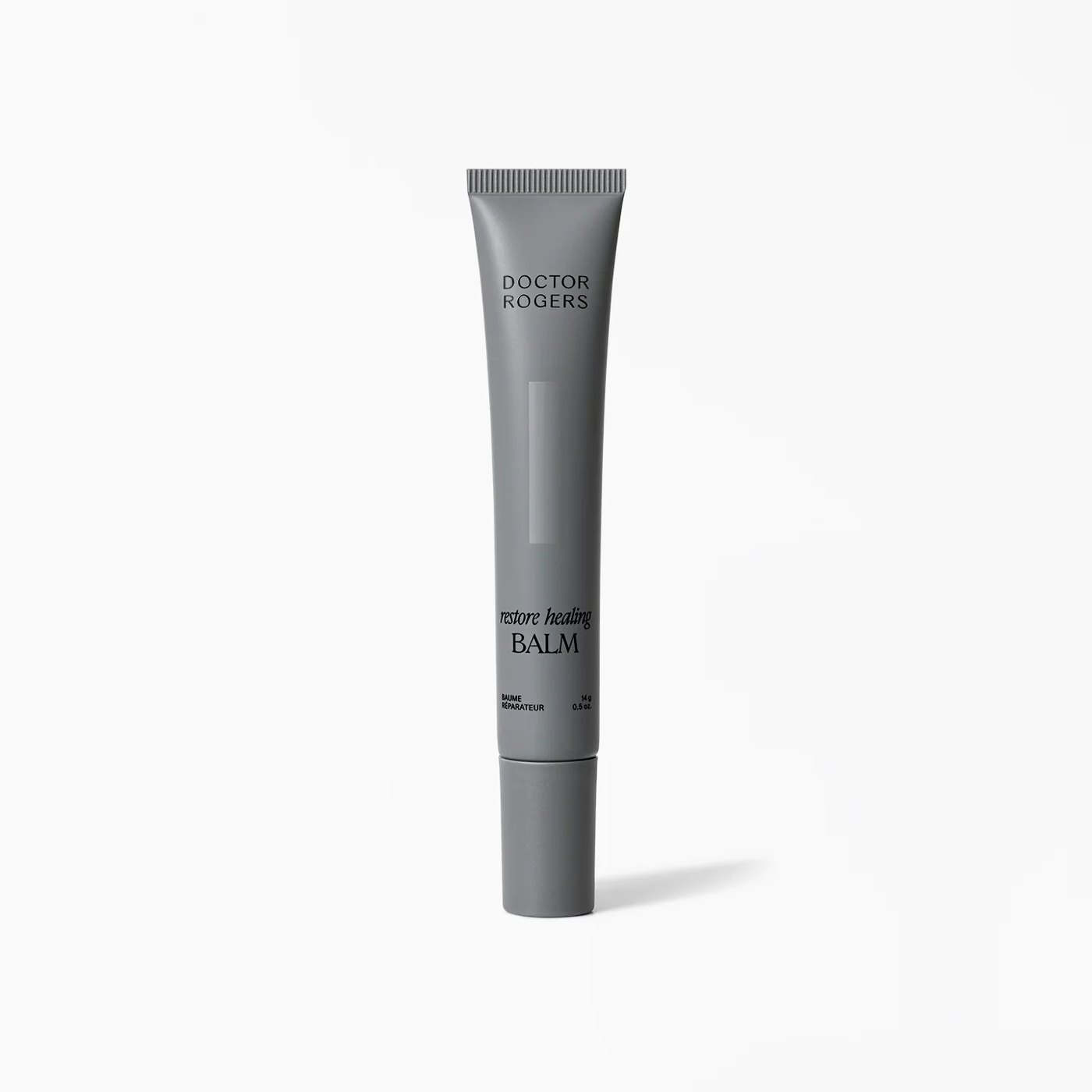
Restore Healing Balm, 24 dollars. A castor and glycerin salve for chapped lips, hands, eye area and post procedure skin, without petroleum or lanolin. Soften a pea sized bit between fingers and press onto dry or tender zones morning and night, with an extra veil before sleep atop cream.
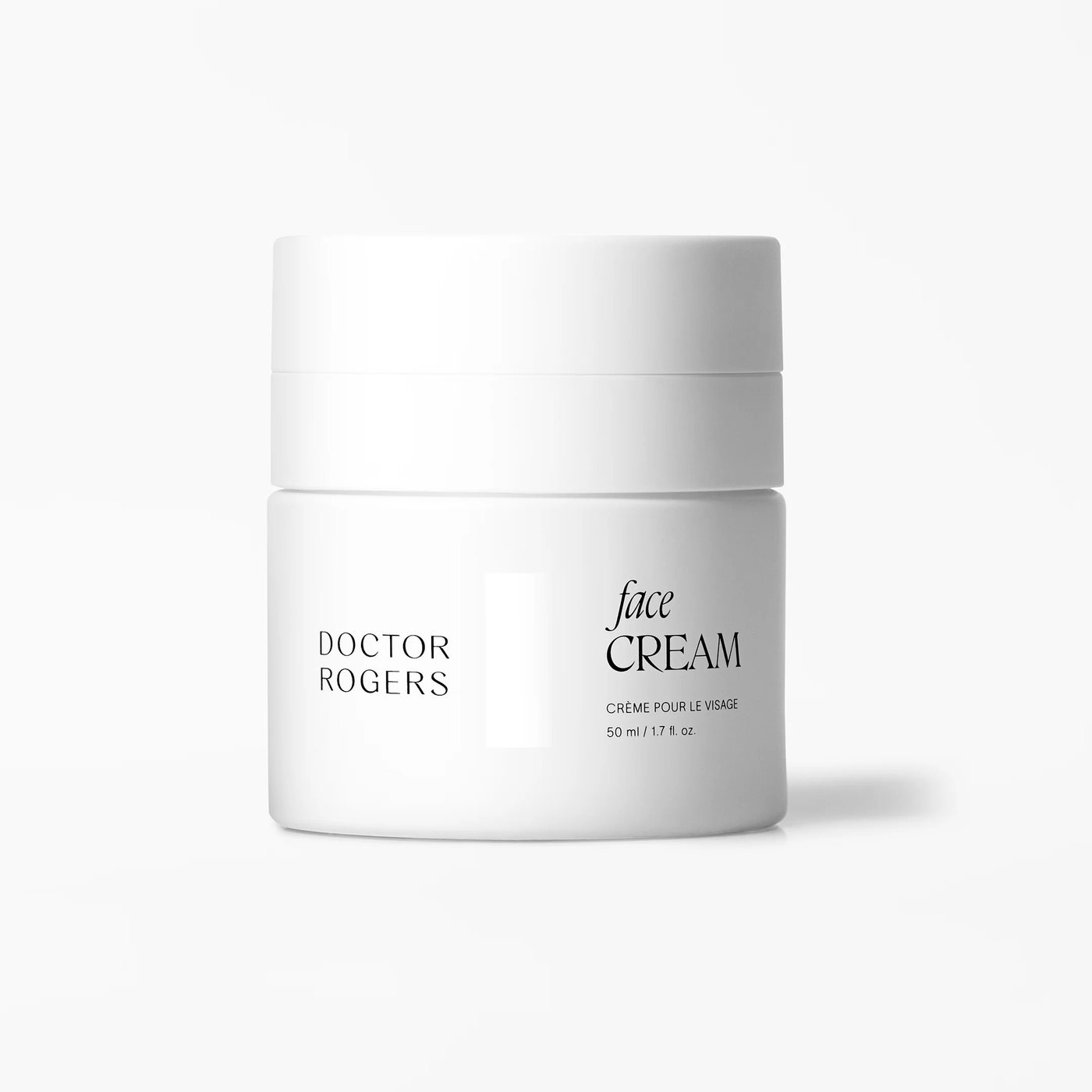
The Squalane plus Niacinamide Barrier Support Face Cream costs 88 dollars. A cushiony daily cream for lasting hydration and barrier support for faces that want more while handling less. Smooth day or night over serum across face and neck in an even film, with sunscreen after in daylight hours.

Laura Reyes
Laura runs the news desk and the texture guides at Second Skin. She keeps a drawer of empty jars she could not bring herself to throw away, sorted by how good they felt to open.
More from Laura Reyes →