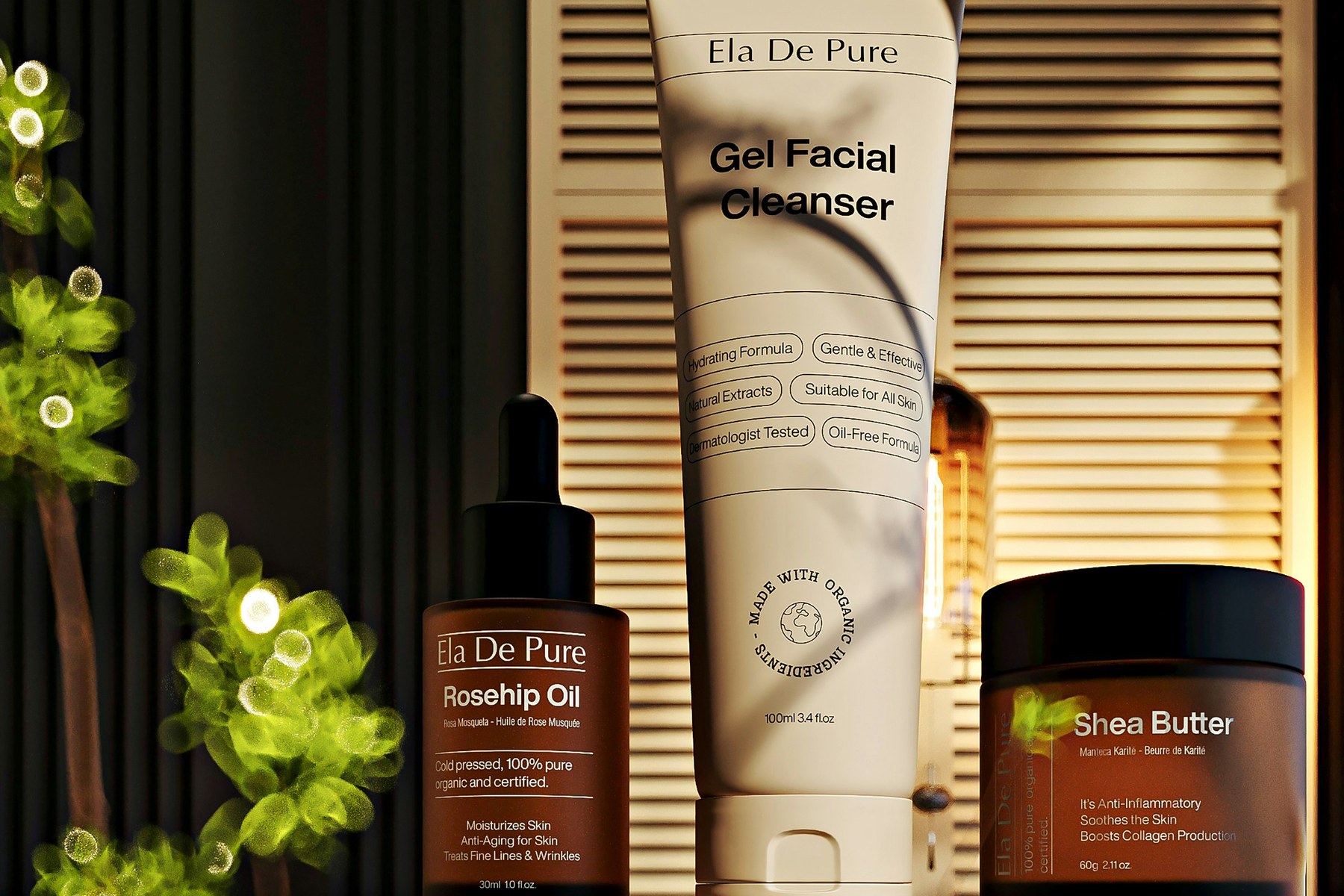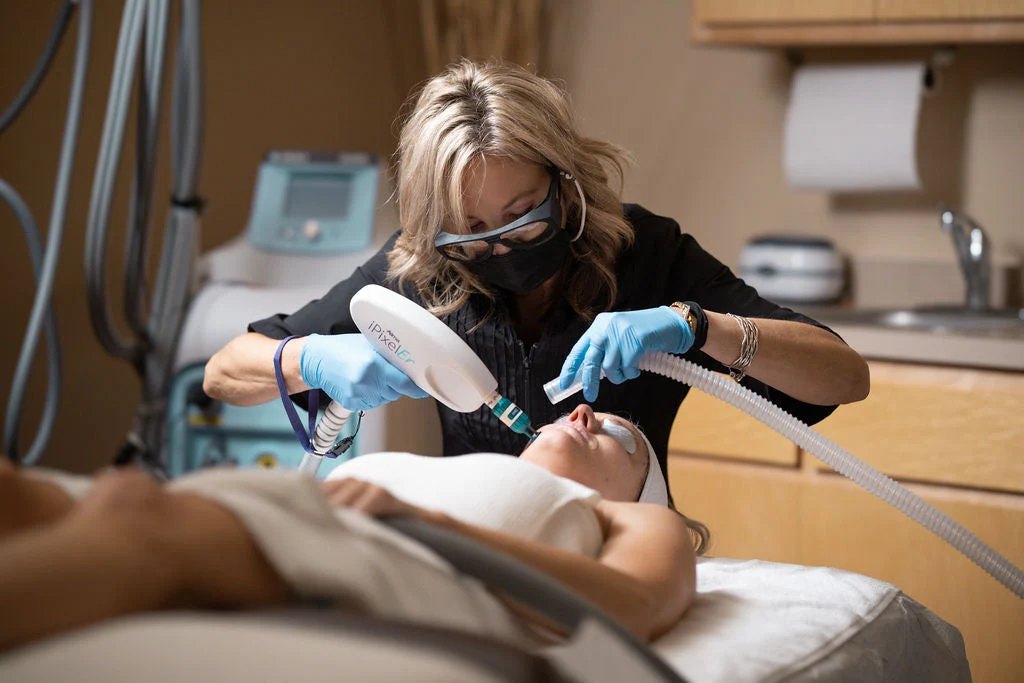
Forty percent of us lose the maths behind a label, yet a single figure from the research lingers: skin begins to lose hyaluronic acid around age 25. That slow loss of cushion helps explain crowded vanities full of serums and buzzing tools, and why many of those vanities now lead back to a treatment bed.
Massachusetts asks for proof of at least 16 hours of instruction in every exfoliating method before an aesthetician may provide microdermabrasion or dermaplaning confined to the epidermis, with 10 hours devoted to hands-on practice. Bureaucratic on paper, the requirement reads differently in person as training in pressure, cleanliness and holding back. Esthetics means the study and practice of tending skin to support its health and look, joining science with artistry and wellness. Estheticians are licensed professionals who give facials, waxing and makeup applications in professional spa settings. After ten years of that labour shifting into bathrooms, the treatment room fills again because discernment counts more than power.
Touch first, machines second
Consumer and professional tools diverge above all on energy output, since products for unsupervised home use stay capped at low energy while clinic machines reach higher energy that calls for instruction and safety routines. The cap exists to keep people safe, and the cap shapes finish and feel. Red LED near 630 to 660 nanometers supports collagen production and calms the look of inflammation, while home masks run softer than professional panels. Home microcurrent units give a fleeting lift and contour that looks faint and short lived and asks for almost daily repetition to hold. Home radiofrequency units sit far beneath professional RF treatments and do not generate the controlled thermal injury that encourages substantial collagen remodeling.
This does not make home tools pointless. Home LED masks may give real though modest change with steady daily wear and pair well with professional treatment. Proportion is the point. A mask worn each morning helps skin look calm and watered. A professional panel, set at the right distance and dose, works harder in fewer passes. Home IPL units give limited hair reduction at energy far under professional laser hair removal and seldom reach lasting clearance. Understand that home microneedling with store dermarollers and pens cannot reach professional depths and risks scarring, infection or pigmentation without a sterile setting and method.
A skilled esthetician reads that gradient and designs around it. A face is more than a shelf for product. Professor Wild introduced the term exposome in oncology research in 2005 to name the many outward forces that shape aging beside the genome. Sun, air, sleep, food and outdoor labour all register. Dr. Kligman coined the term cosmeceuticals in 1984 while testing tretinoin for antiaging effects. Hyaluronic acid brings a deeper backstory. Its first clinical application was developed during the 1970s and 1980s for ophthalmic surgery. Hyaluronic acid with its hygroscopic rheological and viscoelastic character feels slick and cushiony from fingertip to cheek in cosmeceuticals for hydration and antiaging effects.
That backstory lives inside one practical choice. A 24-week randomized controlled trial studied a 1.5 percent multimolecular weight hyaluronic acid filler serum applied twice daily from 24 hours after Botulinum toxin type A, with SPF 50 plus sunscreen worn in both arms. For readers who love feel, sequencing matters as much as formula: treatment, then daily layering of humectants, then sun cover, continued for months. A facialist holds that tempo. A bottle by itself cannot.
Discernment counts more than power.
Where the license draws the line
Current esthetics pairs inherited methods with newer technologies like LED facials and advanced exfoliation. Or, put another way, modern esthetics blends classic methods with newer tools such as LED facials and advanced exfoliation, so this revival does not refuse technology. Cleanse, steam, extraction, massage and mask endure. Light and gentle exfoliation join the set. Licensing bodies like the Illinois Department of Financial and Professional Regulation stress schooling and continuing education in esthetics. Return visits belong to the craft. The same eyes track skin through seasons, notice where flush stays late, where the barrier seems thin, where winter air has left cheeks rough.
Rules shift by state and many higher level services stay restricted, so no two facialists may provide peels, light units, microneedling or lymphatic work in quite the same way. In Texas, a licensed esthetician may carry out body hair removal, beautifying treatments of face neck shoulders or arms, cleansing treatments of face neck scalp shoulders or arms, eyelash extensions, and massage of scalp neck shoulders arms or face by hand or device. Under Texas rules, an esthetician may not carry out hair services, hand or foot beautification, mustache or beard services, nail treatments, shaving face or neck, or hair weaving. The edge keeps the practice legible and tidy.
Massachusetts sets its edge with special precision. In Massachusetts, policy amended December 23, 2025 keeps Board licensed cosmetologists, aestheticians, manicurists, barbers or electrologists from giving injections including Botox and dermal fillers such as collagen and hyaluronic acid. Notice how Massachusetts lets aestheticians operate Intense Pulsed Light for photofacials under the Board Policy on Intense Pulsed Light Devices, and for hair removal. By contrast in Massachusetts, chemical peels or blends that act past the epidermis are prohibited, including phenol, trichloroacetic acid, Jessners solution, AHA solutions with pH lower than pH 3.0 and higher concentration BHA salicylic acid services. Likewise in Massachusetts, microneedling, nanoneedling or microchanneling that enters the dermis is prohibited, while methods that remain in the epidermis are permitted.
These limits guard clients and define what touch skill really means. It is never the sharpest acid. Value hygiene, patch testing, pressure, timing and referral when an issue belongs with a clinician. US beauty licensing arose from Progressive Era sanitation worries including barbers itch passed by unsterilized razors, which prompted state boards to oversee instruction and hygiene. The treatment room carries that inheritance. Fresh towels, washed hands, clean extraction implements, careful notes. A gadget offers intensity. A license offers restraint.
Picking care with clear eyes
Price takes careful maths because home tools demand daily minutes, replacement heads and serums, while misuse can bring correction bills. A drawer of gadgets may quietly outspend a seasonal facial, particularly when serums need rebuying to carry current. Clinic care and home care fit best together. Visit the facialist for assessment, thorough cleansing, careful exfoliation inside scope, LED where available, and a scheme for the months between sessions. Keep home steps for soft cleansing, moisturizing ingredients that help skin look hydrated, and sun protection.
Good selection looks at license, instruction and scope rather than chasing the deepest peel or newest tool. Ask where the license sits and whether continuing education stays current. Ask which exfoliation remains inside the epidermis and which instruction backs it. Ask how light units get used, at which distance and for what length, and which aftercare follows. A considered practitioner will speak about barrier, about spacing sessions, about when to rest. A rushed one will pledge depth and speed.
Botanical ingredients rest easily in this slower tempo. An infused oil or root extract appeals for what it brings to unbroken skin: softening the look of dryness, helping the appearance of suppleness, giving massage better glide. A facialist who understands plants will weave them into ritual rather than pile them toward aggression. Lower heat, lighter friction, closer looking. A greenhouse rewards patience. A treatment room might do the same.
What research cannot yet settle should remain open. We do not show how full treatment rooms stand today against the at home device peak, in bookings, prices or retention. They do not reveal which facial methods or product pairings bring the strongest long term results for varied skin types. Therefore they do not reveal how clients should balance upkeep home tools against visit frequency for money and time. Candour about those blanks belongs in good choice.
The quiet return makes sense in those terms. Humectant stores in skin thin from early adulthood, the outer world keeps pressing, home tools purr at low energy, and a trained person brings what current cannot be set to deliver: sustained attention, tidy method, and readiness to do less when less suits better.

Laura Reyes
Laura runs the news desk and the texture guides at Second Skin. She keeps a drawer of empty jars she could not bring herself to throw away, sorted by how good they felt to open.
More from Laura Reyes →