Adult eczema and adult breakouts are usually shelved apart, yet both can show the same shortage of water, fats and microbial steadiness. A ground first method feeds that base before potent treatments join, so comfort grows and tolerance holds through the seasons.
In 2017 dermatologists in Europe named a pattern that people already sensed on their own faces. They described the acne exposome as the combined environmental pressures that shape when spots begin, how long they stay and how severe they become. The label moved focus from the single blemish toward air, food, pressure, formulas and daily habits. Skin turned from a flaw to fix into an edge to tend.
That reframe now guides many careful makers who formulate for both spots and eczema. Acne vulgaris is characterized as a long term inflammatory condition of the pilosebaceous unit and as the most widespread skin condition on earth. Prevalence reaches 93 percent in adolescents. Atopic dermatitis affects as many as 20 percent of children and on average 2.1 to 4.9 percent of grown ups, while around 20 to 30 percent of childhood cases carry forward into adult years. Those figures point to separate life stages and separate marks. The material below points toward a shared thread.
People living with acne vulgaris commonly present with higher transepidermal water loss, pH, sebum output, porphyrins and redness alongside lower microbial variety. 37 percent of people with acne acquire skin sensitivity and 3 to 7 percent may develop scarring. In acne bearing skin, claudin-1 is said to remain limited to basal and granular strata with no presence at all in the stratum corneum, in contrast to typical skin. Claudin-1 assists in closing the seams between cells. Its lack in the outermost sheet reads like a door held ajar. Moisture escapes with greater ease. Provocants slip inward with greater ease. Reactivity comes next.
What the surface keeps in
A 2025 review in the Journal of Clinical and Aesthetic Dermatology portrays the epidermal barrier as several protective roles gathered around the stratum corneum and careful permeability. The picture helps. The stratum corneum behaves less like a brick face and more like a sorting cloth that chooses what leaves and what remains. Fats perform much of that choosing. The 2025 review of barrier physiology notes that stratum corneum lipids account for 20 percent of the total volume of the stratum corneum. The same review places the membrane between cells at ceramides of 40 to 50 percent, cholesterols of 25 percent and free fatty acids of 10 to 15 percent. A sound physical shield relies on an even proportion of fats given as ceramide to free fatty acids to cholesterol at 3 to 1 to 1.
Tiny shifts in those fats matter on the fingertip. Shortening of free fatty acid and ceramide chains tracks closely with looser lipid packing and deeper barrier weakness in atopic dermatitis. Briefer chains stack with less neatness. Looser stacking opens more fissures between cells. More fissures invite more moisture escape and more entry for microbes and provocants. Fats released by sebaceous glands form 90 percent of surface fats on teen and grown up skin. That detail links spots and barrier behaviour. Sebum belongs to the surface veil, though surplus sebum with changed makeup offers no surety of defense. Skin may look slick across the forehead while running thin underneath.
Botanical oils and ceramide dense creams belong in this talk, and readers who touch before they trust will ask plain questions. In which soils did the plants mature. By which method were the fats drawn out. Which proportion did the maker select. A February 2023 review and consensus notes that global guidance advises barrier friendly products including ceramide bearing products for inflamed skin conditions. The 2023 consensus finds that topical moisturizers raise hydration, lessen shedding, soften scale, improve PASI-50 and postpone return in psoriasis. The result addresses psoriasis rather than acne or eczema alone, yet the tendency agrees. Tend the fat layer early, and the look of scaling and tightness eases while return may be held off.
Why feeding comes before fixing
The ground first method is easy to say and slower to live. It returns water, fats and microbial equilibrium ahead of potent refining treatments, since restoration lifts tolerance, curbs return and sustains skin health across time. The reasoning follows the readings noted above. When water escape runs high and microbial range runs low, acids and retinoids face scant cushion from the surface and scant spring inside it. Slugging and similar sealing habits may raise discomfort when placed atop retinoids, benzoyl peroxide or exfoliating acids. Settled ground lets stronger tools appear on fewer nights and with softer aftermath.
Sealing shows both help and edge. Petrolatum has been shown to lower transepidermal water loss by as much as 99 percent, ranking it among the most powerful means to hold hydration. Slugging means placing a petrolatum centered seal as the last pass of an evening ritual to curb water escape rather than to supply hydration. Slug one to three times weekly for most faces, and each night only when skin feels very parched. For cheeks split by cold or hands that burn after rinsing, that film can foster a suppler look by dawn. For slick or spot prone faces, the same film calls for restraint. Dense sealing that comforts parched and tender skin may hold in sebum and bacteria and aggravate slick or spot prone skin.
Its absence in the outer layer feels like a gate left ajar.
That balance rests at the heart of grown up care. Mature faces often hold several needs together. A rough eczema area beside the lips. Bumps tracing the jawline. A wash that strips oil to empty pores may thin the fat layer that keeps cheeks at ease. Soothing eczema by closing everything down may still crowd the follicles. Barrier mending assists yet never stands in for control of sebum, scaling inside pores, microbes and inflammation in acne. Damp alone never lifts a comedo. Fats alone never quiet immune stirrings. Skill sits in order and amount. Rinse without a tight finish. Return fats in a blend near equilibrium. Hold water without smothering. Then, only when still wanted, refine with a careful active.
The literature itself has thickened fast. A 2025 bibliometric review in Frontiers in Medicine counted 4,227 papers on barrier function in atopic dermatitis between 1999 and 2023. The bibliometric review recorded yearly output cresting at 402 in 2022 and cumulative citations touching 164,853. The review placed the United States ahead with 1,263 papers, trailed by Japan at 627 and Germany at 602. Quantity never guarantees clarity. Skincare trials stay limited in count, scale and design and need stronger inquiry across ages and skin kinds. Much stays unresolved about ideal lasting rhythm and recipe for sealing across varied tones, years and weather. It also stays uncertain how far barrier tending alone can block return absent condition specific therapy.
A gentler rhythm for reactive faces
Here candor counts. Conversation suggests grown up eczema and grown up spots are both climbing. The materials drawn on here give no trend figures for adult onset. They outline prevalence at one moment, not a slope across seasons. Nor do they rank named recent labels or prove which ground first ritual performs best. Words on jars merit equal caution. Under US law, cosmetic wording must stay truthful and avoid misleading, and a product sold to treat or prevent disease or to affect body structure or function counts as a drug in law. A cream may favor the look of moisture and ease. It never treats eczema or acne in a medical or legal sense. Speech that honors that border honors the user too.
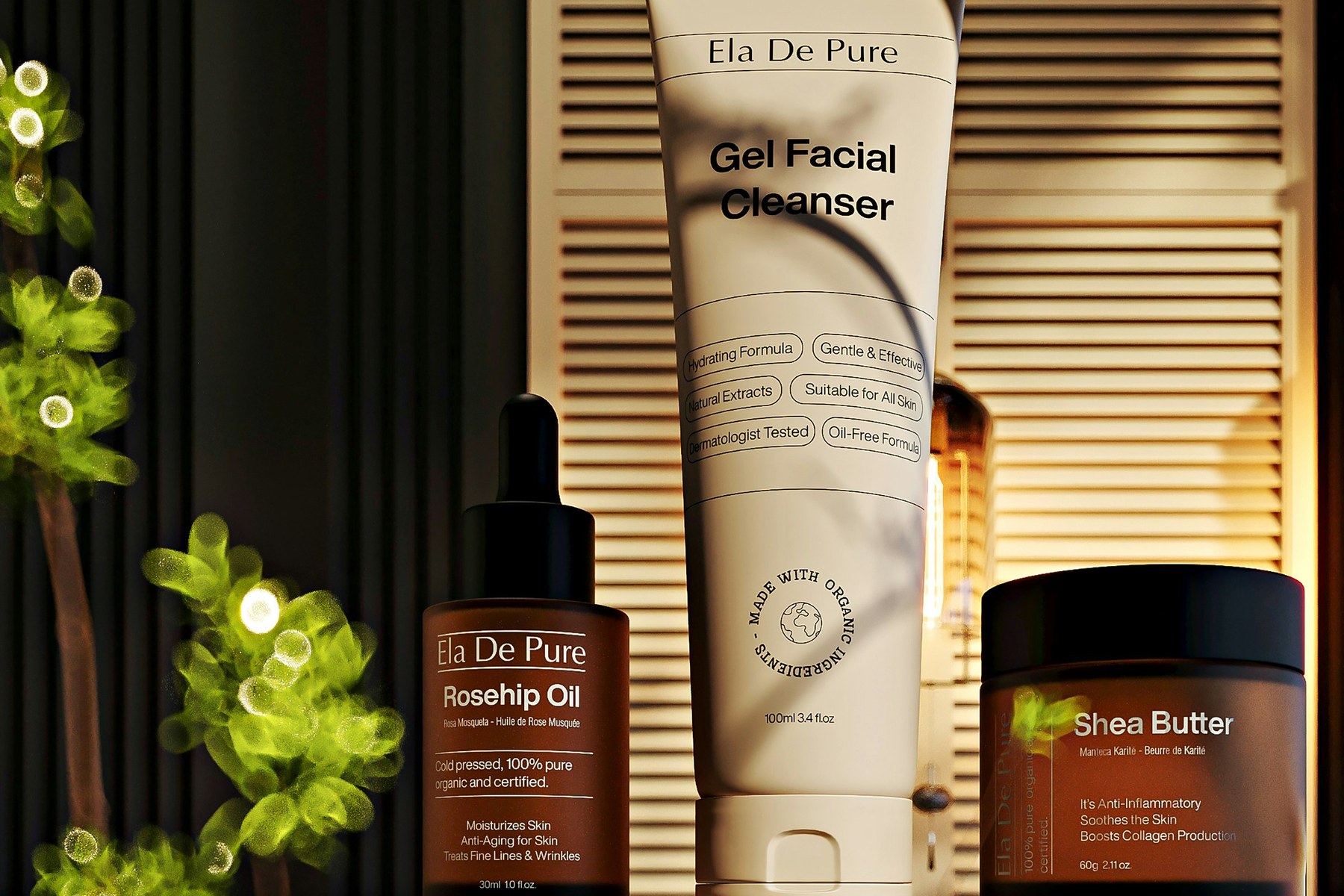
What the findings do affirm is a shift in sequence. Start with the terrain. Seek rinses that keep pH and ease level. Since proportion matters, favor creams that name ceramides, cholesterol and fatty acids together instead of a single fat alone. Treat plant oils as part of that fat dialogue, picked for growing and pressing that preserve fatty acid shape, and dosed in measures that sink rather than linger. Add a seal in cadence, one to three times weekly for most faces, instead of each night by habit. Observe redness, flaking and sting across weeks, not days. When bumps linger, or eczema zones thicken, weep or widen, clinical care stays the route. Barrier tending fosters tolerance. It never replaces diagnosis.
The quiet takeaway of the past five years, read at walking pace, is feed before refining. The stratum corneum keeps a record of each harsh lather and each hurried peel. It also answers to steady nourishment. Water kept close. Fats guided back near their proportion. Microbes allowed space to vary. For faces torn between tightness and eruptions, that evenness may let the look of calm endure beyond any fast clear.

Laura Reyes
Laura runs the news desk and the texture guides at Second Skin. She keeps a drawer of empty jars she could not bring herself to throw away, sorted by how good they felt to open.
More from Laura Reyes →