- Renewal season has arrived for cosmetics facility registrations, and 2026 brings the first round.
- Final manufacturing standards from the FDA are still pending after a missed late 2025 deadline.
- Low-sales exemptions help some small makers, yet eye products and safety reports sit outside that relief.
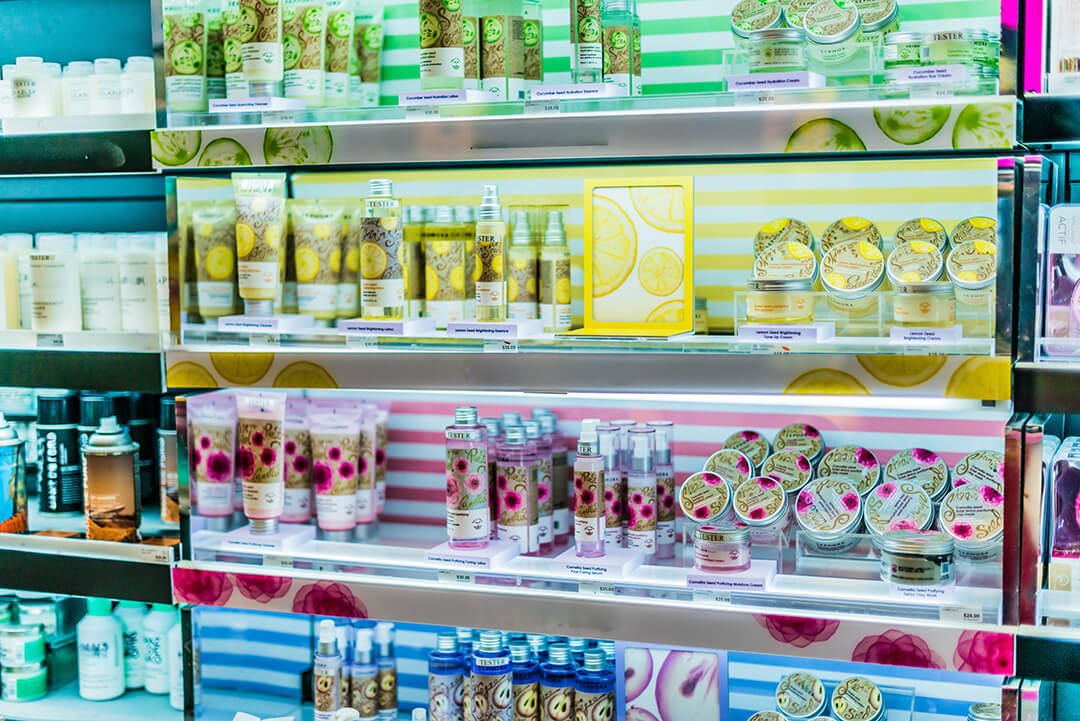
Your shelf may look a little different this year, because the small labels behind your jars and pumps face their first big round of federal renewals. Brands that make or sell skin care in the United States have moved into that renewal period under the Modernization of Cosmetics Regulation Act, called MoCRA, and some smaller teams feel surprised by the admin load.
Congress passed MoCRA in December 2022, the first broad update to federal cosmetics law since 1938. Sites that manufacture or process cosmetics must register with the Food and Drug Administration, and the responsible person for every product must list that item with its ingredients. Renewal comes due every two years, so 2026 marks the first cycle back. The FDA issues automatic email prompts before each due date, which means a stale contact email remains the easiest way to overlook one.
The shift stays mostly out of sight, yet it touches what you can buy. Online marketplaces and shops now ask labels more often for proof of registration and listing, and many indie names rely on a contract manufacturer to maintain its own registration. A label that presumed its production partner covered all filings might learn otherwise only when a stockist requests documents.
The statute offers partial breathing room for lower volume businesses. Companies averaging under one million dollars in yearly cosmetics sales across the prior three years are generally excused from facility registration and product listing. The carve-out leaves out products used around the eyes, products that are injected, products intended for internal use, or products meant to alter appearance for longer than 24 hours, and it keeps the obligation to report serious adverse events. A tiny maker with a lip balm plus a face oil might qualify, while a maker with lash formulas would not.
The wider unsettled point concerns factory standards. MoCRA directed the FDA to complete good manufacturing practice rules for cosmetics by the close of 2025, but the date went by with no final rule, and legal observers anticipate a proposal first followed by staged compliance, with extended schedules for small firms. In the meantime the agency looks for reasonable controls at facilities even in the absence of a full manual.
Watch next for whether the FDA releases the proposed manufacturing rule during this year, and whether missed renewals trigger the first public enforcement steps under its fresh authority, which covers mandatory recalls and suspension of a facility registration. Labels that have not reviewed their listings and their production partners’ registrations would gain from checking now.

Jocelyn Hardy
Jocelyn looks after the brands Second Skin works with and makes sure every sponsored page says so. She spent five years in packaging development for a Brooklyn beauty studio, which is how she knows what a heavy glass jar costs to ship.
More from Jocelyn Hardy →